
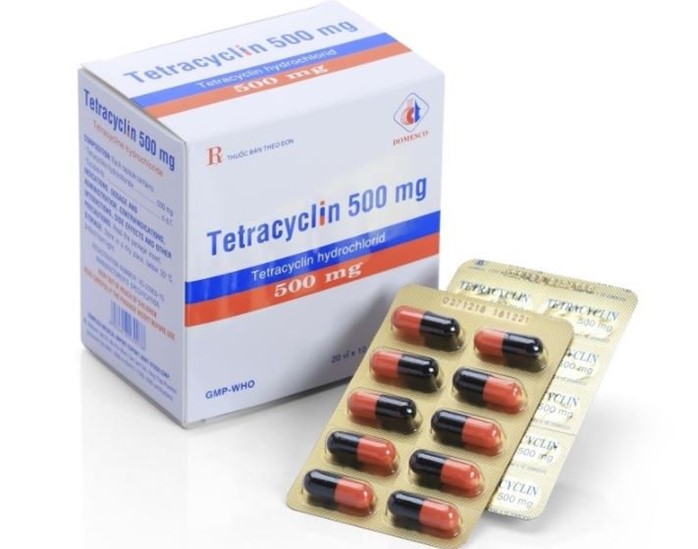
A nurse is teaching a client who has a new prescription for tetracycline. Which of the following nutritional considerations should the nurse note in the teaching?
Increase vitamin C intake while taking this medication.
Eliminate raw fruits and vegetables until 2 weeks after completing this medication.
Take a folic acid supplement while on this medication.
Avoid taking this medication with milk products.
The Correct Answer is D
Choice A reason: Increasing vitamin C intake while taking this medication is not necessary, as vitamin C does not interact with tetracycline. Vitamin C is important for immune function, wound healing, and collagen synthesis.
Choice B reason: Eliminating raw fruits and vegetables until 2 weeks after completing this medication is not required, as raw fruits and vegetables do not interfere with tetracycline. Raw fruits and vegetables are good sources of fiber, vitamins, minerals, and antioxidants.
Choice C reason: Taking a folic acid supplement while on this medication is not advised, as folic acid can reduce the absorption and effectiveness of tetracycline. Folic acid is essential for DNA synthesis, cell division, and red blood cell production.
Choice D reason: Avoiding taking this medication with milk products is important, as milk products contain calcium, which can bind to tetracycline and form insoluble complexes that decrease its absorption and activity. Milk products also increase the risk of gastrointestinal side effects such as nausea, vomiting, and diarrhea.
Nursing Test Bank
Naxlex Comprehensive Predictor Exams
Related Questions
Correct Answer is D
Explanation
Choice A reason: Hemoglobin 16 g/dL is within the normal range for adults and does not indicate an adverse effect of TPN.
Choice B reason: Temperature 36.1°C (97°F) is normal and does not indicate an infection or inflammation, which are possible complications of TPN.
Choice C reason: Blood glucose 98 mg/dL is normal and does not indicate hyperglycemia or hypoglycemia, which are common problems associated with TPN.
Choice D reason: Weight gain of 1.5 kg (3 lB. per day is excessive and indicates fluid overload, which can result from too rapid or too high infusion of TPN. Fluid overload can cause edema, hypertension, heart failure, and pulmonary congestion.
Correct Answer is D
Explanation
Choice A reason: Reporting ability to complete ADLs is not a specific finding that indicates that probiotic therapy is effective. Ability to complete ADLs depends on various factors, such as energy level, muscle strength, mobility, cognition, and motivation. Ability to complete ADLs may improve with parenteral nutrition, but not necessarily with probiotic therapy.
Choice B reason: Having pink mucous membranes is not a specific finding that indicates that probiotic therapy is effective. Pink mucous membranes reflect adequate hydration and oxygenation status, which are important for overall health, but not directly related to probiotic therapy.
Choice C reason: Having blood glucose level within the expected reference range is not a specific finding that indicates that probiotic therapy is effective. Blood glucose level is influenced by carbohydrate intake, insulin production, and medication use, which are related to parenteral nutrition, but not probiotic therapy.
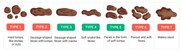
Choice D reason: Having soft, formed bowel movements is a specific finding that indicates that probiotic therapy is effective. Probiotic therapy is the use of beneficial bacteria or yeast to restore the normal flora and function of the gastrointestinal tract, which can prevent or treat diarrhea, constipation, or infection. Having soft, formed bowel movements shows that the client has a healthy and balanced gut microbiome.
Whether you are a student looking to ace your exams or a practicing nurse seeking to enhance your expertise , our nursing education contents will empower you with the confidence and competence to make a difference in the lives of patients and become a respected leader in the healthcare field.
Visit Naxlex, invest in your future and unlock endless possibilities with our unparalleled nursing education contents today