
A nurse is reviewing the laboratory results of a client who is taking amitriptyline. Which of the following laboratory values should the nurse report to the provider?
Total bilirubin 1.5 mg/dL
Potassium 4.2 mEq/L
WBC count 5,000/mm³
Hct 44
The Correct Answer is A
A. The nurse should report the Total bilirubin 1.5 mg/dL to the provider.
Amitriptyline is an antidepressant medication, and elevated total bilirubin levels can indicate potential liver dysfunction or impairment. It's important to report any significant changes in liver function values to the provider, especially when a client is taking medications that can affect liver metabolism. The other laboratory values mentioned are within normal ranges and would not typically be of concern in the context of amitriptyline use.
B. Potassium 4.2 mEq/L:
This value is within the normal range. Potassium levels of 4.2 mEq/L are considered normal. While potassium levels are important to monitor, this result does not indicate a need for immediate reporting.
C. WBC count 5,000/mm³:
This value is within the normal range. A white blood cell (WBC) count of 5,000/mm³ is within the typical range. It suggests a normal immune response and does not require reporting.
D. Hct 44: This value is incorrect. The hematocrit (Hct) value of 44 is not accompanied by the unit of measurement (percentage or fraction). Hematocrit values measure the proportion of red blood cells in the blood and are usually reported as a percentage. If this value is indeed 44%, it falls within a normal range for both men and women. However, if the unit is different (such as a 44% fraction), it might be an incorrect unit conversion. The nurse should verify the unit of measurement and report any discrepancies or errors to the provider for clarification.

Nursing Test Bank
Naxlex Comprehensive Predictor Exams
Related Questions
Correct Answer is B
Explanation
A. Pedal edema
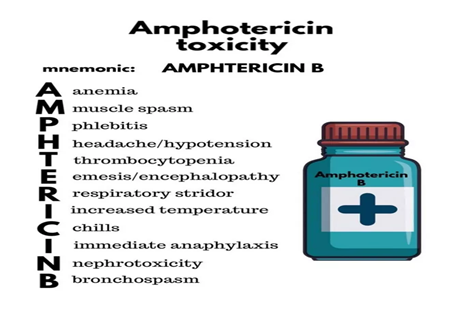
Explanation: Pedal edema (swelling of the feet) is not a typical sign of an acute infusion reaction to IV amphotericin B.
B. Fever
Explanation: Fever is a common sign of an acute infusion reaction, indicating an inflammatory response to the medication.
An acute infusion reaction to IV amphotericin B is most commonly characterized by fever and chills, as well as other flu-like symptoms such as headache, muscle or joint pain, and sometimes a dry cough. Fever is a key indicator of an acute reaction to amphotericin B, and the presence of fever during or after administration should raise concern and prompt the nurse to take appropriate action, including notifying the healthcare provider and discontinuing the infusion.
Pedal edema and hyperglycemia are not typically associated with acute infusion reactions to amphotericin B and are not common manifestations of this type of reaction.
C. Hyperglycemia
Explanation: Hyperglycemia (high blood sugar) is not typically associated with an acute infusion reaction to IV amphotericin B.
D. Dry cough
Explanation: A dry cough can be a symptom of an acute infusion reaction, potentially indicating irritation or inflammation of the respiratory tract.
Correct Answer is D
Explanation
A. Bradycardia:
Incorrect Explanation: Bradycardia (slow heart rate) is not a common adverse effect of phenytoin.
Explanation: Phenytoin primarily affects the central nervous system and is not known to cause significant cardiovascular effects like bradycardia.
B. Red man syndrome:
Incorrect Explanation: Red man syndrome is associated with some antibiotics, not phenytoin.
Explanation: Red man syndrome, characterized by redness and flushing of the skin, is primarily associated with certain antibiotics like vancomycin and is not a recognized adverse effect of phenytoin.
C. Hypoglycemia:
Incorrect Explanation: Hypoglycemia is not a common adverse effect of phenytoin.
Explanation: Phenytoin does not have a direct impact on blood glucose levels, so hypoglycemia is not a typical adverse effect.
D. Hypotension:
Correct Answer: Hypotension (low blood pressure) is an adverse effect that the nurse should identify as a potential concern with phenytoin administration.
Explanation: Phenytoin, especially when administered rapidly as an IV bolus, can lead to hypotension as one of its adverse effects. Monitoring blood pressure during and after administration is important.
Whether you are a student looking to ace your exams or a practicing nurse seeking to enhance your expertise , our nursing education contents will empower you with the confidence and competence to make a difference in the lives of patients and become a respected leader in the healthcare field.
Visit Naxlex, invest in your future and unlock endless possibilities with our unparalleled nursing education contents today