
A nurse is teaching a client who is 24 hr postpartum about breastfeeding. Which of the following client statements indicates an understanding of the teaching?
I will alternate the first breast that I offer my baby with each feeding.
I will store my breastmilk in the refrigerator up to 48 hours.
I will nurse my baby once every 4 hours.
I will offer my baby water between feedings.
The Correct Answer is A
Choice A reason: Alternating the first breast that is offered to the baby with each feeding can help ensure equal stimulation and drainage of both breasts, and prevent engorgement, mastitis, or milk supply problems.
Choice B reason: Storing breastmilk in the refrigerator up to 48 hours is not recommended, as it can reduce the quality and quantity of antibodies and nutrients in the milk. The optimal storage time for breastmilk in the refrigerator is up to 24 hours.
Choice C reason: Nursing the baby once every 4 hours is not sufficient, as it can lead to insufficient milk intake, dehydration, weight loss, or jaundice in the baby. The baby should be nursed on demand, or at least every 2 to 3 hours during the day and every 4 hours at night.
Choice D reason: Offering the baby water between feedings is not necessary, as it can interfere with breastfeeding and cause water intoxication or electrolyte imbalance in the baby. Breastmilk provides enough hydration and nutrition for the baby.
Nursing Test Bank
Naxlex Comprehensive Predictor Exams
Related Questions
Correct Answer is B
Explanation
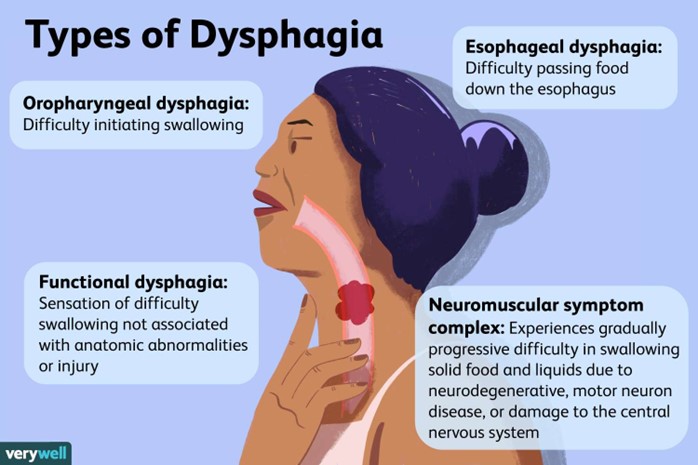
Choice A reason: Telling the client to lie down after eating can increase the risk of aspiration pneumonia, as food or liquids can enter the lungs more easily when lying down.
Choice B reason: Instructing the client to tuck her chin when swallowing can help prevent aspiration pneumonia, as it closes off the airway and directs food or liquids into the esophagus.
Choice C reason: Placing the client in a Fowler's position to eat can help prevent aspiration pneumonia, as it elevates the head and chest and allows gravity to assist with swallowing.
Choice D reason: Encouraging the client to drink water before each meal can increase the risk of aspiration pneumonia, as it can thin out saliva and make it harder to control swallowing.
Correct Answer is C
Explanation
Choice A reason: Including a high-fat food with each meal is not a good strategy for managing chronic nausea during pregnancy because it can delay gastric emptying and worsen nausea and vomiting. High-fat foods should be avoided or consumed in moderation during pregnancy.
Choice B reason: Drinking 12 ounces of water with breakfast is not a good strategy for managing chronic nausea during pregnancy because it can dilute stomach acid and trigger nausea and vomiting. Water should be consumed between meals rather than with meals during pregnancy.
Choice C reason: Eating a high-carbohydrate diet is a good strategy for managing chronic nausea during pregnancy because it can provide quick energy and prevent hypoglycemia, which can cause nausea and vomiting. Carbohydrate-rich foods, such as crackers, toast, rice, and cereal, can also absorb stomach acid and reduce nausea and vomiting.
Choice D reason: Lying down for an hour after eating is not a good strategy for managing chronic nausea during pregnancy because it can cause acid reflux and worsen nausea and vomiting. It is better to sit upright or walk for a few minutes after eating during pregnancy.
Whether you are a student looking to ace your exams or a practicing nurse seeking to enhance your expertise , our nursing education contents will empower you with the confidence and competence to make a difference in the lives of patients and become a respected leader in the healthcare field.
Visit Naxlex, invest in your future and unlock endless possibilities with our unparalleled nursing education contents today