
A nurse will administer Zofran (ondansetron) 0.15 mg/kg over 15 minutes. The patient weighs 176 lb. The nurse receives the medication from the pharmacy mixed in 50 mL normal saline...
How should the nurse set the IV pump to deliver the correct dose?
100 mL/hr
150 mL/hr
200 mL/hr
400 mL/hr
The Correct Answer is C
The patient is ordered to receive 0.15 mg/kg of Zofran over 15 minutes. The patient weighs 176 lb, which is equivalent to 80 kg. To calculate the total amount of Zofran the patient should receive, multiply the weight by the dosage:
80 kg x 0.15 mg/kg = 12 mg
The Zofran arrives from the pharmacy mixed in 50 mL of normal saline, which means there is 12 mg of Zofran in 50 mL of solution. To calculate how many milliliters per hour the nurse should set the IV pump, we can use the following formula:
50 mL / 0.25 hour = X mL per hour X = 200 mL per hour
Therefore, the nurse should set the IV pump to deliver 200 mL of Zofran per hour to the patient.
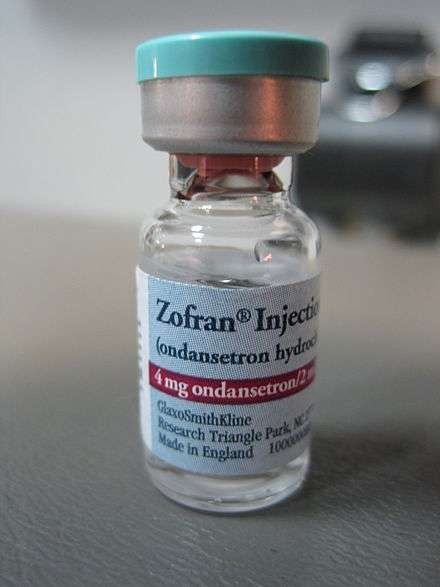
Nursing Test Bank
Naxlex Comprehensive Predictor Exams
Related Questions
Correct Answer is A
Explanation
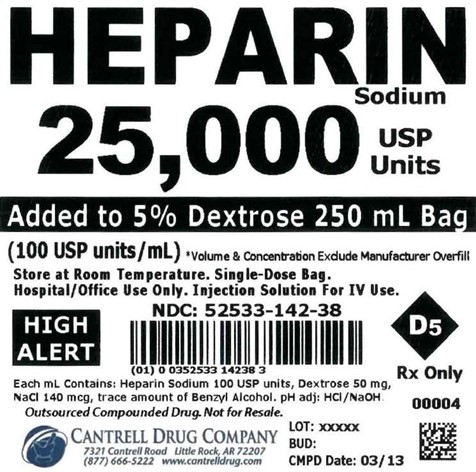
To calculate the total amount of heparin, we need to multiply the infusion rate by the time and then by the concentration of heparin in the IV bag. From 9:00 a.m. to 11:00 a.m., the infusion rate was 12 mL/hr, so the amount of heparin infused in this period was 12 mL/hr x 2 hours x 100 units/mL = 2400 units.
From 11:00 a.m. to 2:00 p.m., the infusion rate was 10 mL/hr, so the amount of heparin infused in this period was 10 mL/hr x 3 hours x 100 units/mL = 3000 units. The total amount of heparin infused from 9:00 a.m. to 2:00 p.m. was 2400 units + 3000 units = 5400 units.
Correct Answer is C
Explanation
To calculate the drug dosage, multiply the prescribed dose per kilogram by the client’s weight in kilograms:
0.5 mg/kg x 57 kg = 28.5 mg

Whether you are a student looking to ace your exams or a practicing nurse seeking to enhance your expertise , our nursing education contents will empower you with the confidence and competence to make a difference in the lives of patients and become a respected leader in the healthcare field.
Visit Naxlex, invest in your future and unlock endless possibilities with our unparalleled nursing education contents today