
A nurse working in a pediatric clinic recognizes the three most common toxins in pediatric care?
Pesticides
Air pollution
Pharmacuetical
Lead Poisoning
Correct Answer : A,C,D
Lead is a toxic metal that can be found in old paint, dust, soil, and certain consumer products. Children are particularly vulnerable to lead poisoning, which can lead to developmental delays, learning difficulties, and other health problems.
Pesticides are chemicals used to control pests, such as insects and rodents. Children can be exposed to pesticides through contaminated food, water, or direct contact with treated areas. Pesticide exposure has been linked to various health issues, including neurodevelopmental disorders and respiratory problems.
Certain medications can be toxic to children, especially if taken in excessive amounts or without appropriate supervision. Accidental ingestion of medications, including over-the-counter and prescription drugs, is a significant concern in pediatric care.
While air pollution is a significant environmental factor that can impact children's health, it is not typically considered one of the most common toxins in pediatric care.
Nursing Test Bank
Naxlex Comprehensive Predictor Exams
Related Questions
Correct Answer is C
Explanation
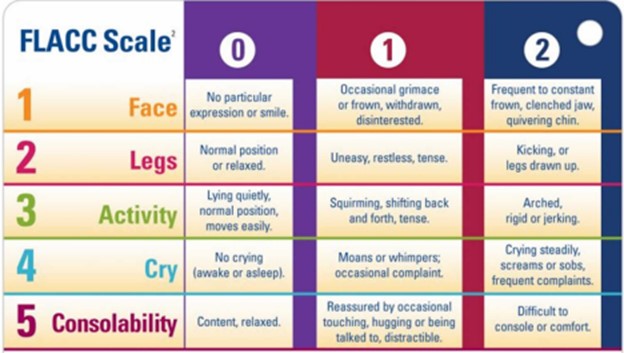
The appropriate pain rating scale to use for a 2-month-old infant is the FLACC (Face, Legs, Activity, Cry, Consolability) scale. The FLACC scale is commonly used for infants and young children who are unable to self-report their pain. It assesses facial expression, leg movement, activity level, cry, and ability to be consoled. Each category is scored on a scale of 0 to 2, and the total score provides an indication of the infant's pain level.
The PANAD scale and OUCHER scale are more commonly used for older children, while the FACE scale is specific to assessing pain in individuals with cognitive impairments.
Correct Answer is D
Explanation
During periods of growth, adolescents often experience an increase in their sleep needs. This is because growth and development processes, such as bone growth and hormonal changes, require adequate rest and sleep. By addressing the increased need for sleep, the nurse can provide valuable information to help the adolescent prioritize and ensure sufficient sleep for their overall well-being.
Sharing piercing needles is never recommended as it can lead to the transmission of blood-borne infections such as HIV or hepatitis. Proper sterile techniques and individual use of piercing needles should always be encouraged.
It is important to promote a healthy and balanced approach to nutrition rather than focusing solely on limiting caloric intake. Encouraging healthy eating habits, regular physical activity, and a balanced diet is a more appropriate approach to weight management.
Tanning beds are not safe alternatives to natural sunlight. They expose the skin to harmful ultraviolet (UV) radiation, increasing the risk of skin cancer and premature aging. It is important to educate adolescents about the risks of tanning beds and promote the use of sunscreen and protective measures when exposed to the sun.
Whether you are a student looking to ace your exams or a practicing nurse seeking to enhance your expertise , our nursing education contents will empower you with the confidence and competence to make a difference in the lives of patients and become a respected leader in the healthcare field.
Visit Naxlex, invest in your future and unlock endless possibilities with our unparalleled nursing education contents today