
A patient with sinus bradycardia has a heart rate of 45 and a blood pressure of 82/60 and is reporting dizziness.
What intervention should the nurse anticipate will be ordered?
Administer digoxin
Continue to monitor the patient
Defibrillate the patient
Prepare for transcutaneous pacing
The Correct Answer is D
Choice A rationale:
Digoxin is a medication that slows the heart rate. It would be contraindicated in this patient because they are already bradycardic.
Administering digoxin could further slow the heart rate and worsen the patient's symptoms.
Additionally, digoxin can have a negative inotropic effect, which could further compromise the patient's hemodynamic status. Choice B rationale:
While it is important to continue to monitor the patient, this is not an intervention that will address the patient's bradycardia and hypotension.
The patient is already symptomatic, and their heart rate and blood pressure are likely to continue to decline without intervention. Choice C rationale:
Defibrillation is used to treat life-threatening arrhythmias such as ventricular fibrillation and pulseless ventricular tachycardia.
It is not indicated for sinus bradycardia.
Choice D rationale:
Transcutaneous pacing is a non-invasive method of pacing the heart.
It can be used to temporarily increase the heart rate in patients with symptomatic bradycardia.
This is the most appropriate intervention for this patient because it will address the underlying problem of bradycardia and improve the patient's hemodynamic status.
Nursing Test Bank
Naxlex Comprehensive Predictor Exams
Related Questions
Correct Answer is C
Explanation
Choice A rationale:
While maintaining anticoagulation is important in atrial fibrillation to prevent blood clots, it is not the main goal of treatment in this specific scenario.
The client's blood pressure is elevated, suggesting that the rapid heart rate is the more immediate concern.
Additionally, the prompt indicates that heparin has already been administered, addressing the anticoagulation need.
Choice B rationale:
The client's respiratory rate and lung sounds are normal, indicating that oxygenation is not a primary concern at this time.
The fast heart rate is the more pressing issue, as it can lead to decreased cardiac output and potential complications.
Choice C rationale:
Controlling the ventricular heart rate is the main goal of treatment in this case.
Atrial fibrillation with a rapid ventricular response can lead to several detrimental consequences, including:
Decreased cardiac output due to shortened ventricular filling time
Increased myocardial oxygen demand, potentially causing angina or heart failure
Increased risk of stroke or other thromboembolic events
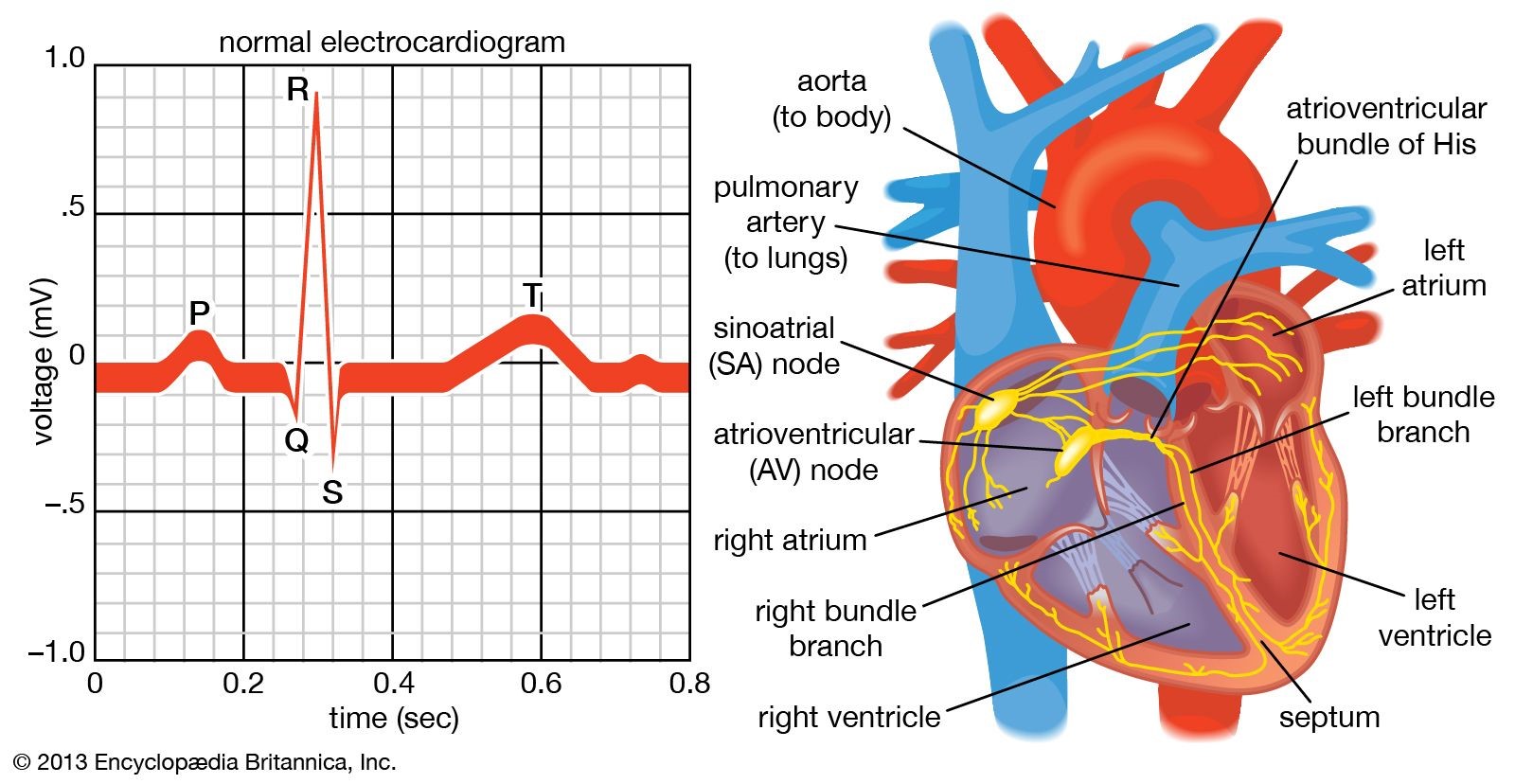
Diltiazem, a calcium channel blocker, is a medication commonly used to slow the heart rate in atrial fibrillation.
By slowing the conduction of electrical impulses through the atrioventricular (AV) node, it effectively reduces the number of impulses that reach the ventricles, thereby controlling the ventricular response.
Choice D rationale:
Decreasing SA node conduction is not a primary goal in this situation.
The SA node is responsible for initiating the normal electrical impulses that trigger heart contractions.
In atrial fibrillation, the electrical activity is chaotic and originates from multiple foci within the atria, rather than the SA node.
Therefore, targeting the SA node would not effectively address the underlying rhythm disturbance.
Correct Answer is A
Explanation
Choice A rationale:
Systole is derived from the Greek word "sustolē," meaning "contraction." This etymology directly aligns with the physiological process it describes.
During systole, the heart muscle contracts forcefully, generating the pressure necessary to propel blood out of the heart's chambers and into the circulatory system.
This phase is crucial for ensuring adequate blood flow to all tissues and organs, delivering oxygen and nutrients and removing waste products.
It's initiated by electrical signals generated by the sinoatrial node (SA node), the heart's natural pacemaker.
The electrical impulse travels through the heart's conduction system, triggering a coordinated contraction of the atria and ventricles.
Atrial systole occurs first, contributing to ventricular filling.
Ventricular systole follows, generating the powerful force that propels blood into the pulmonary artery (from the right ventricle) and the aorta (from the left ventricle).
Systolic blood pressure, the higher number in a blood pressure reading, measures the pressure in the arteries during ventricular systole.
Choice B rationale:
This choice describes diastole, the opposite phase of the cardiac cycle.
During diastole, the heart muscle relaxes, allowing the chambers to refill with blood.
Diastole is essential for proper heart function, ensuring that the heart can adequately fill with blood before the next systolic contraction.
Choice C rationale:
This choice refers to cardiac output, which is the total volume of blood pumped by the heart per minute.
Cardiac output is influenced by both heart rate and stroke volume (the amount of blood ejected from the ventricle with each contraction). Choice D rationale:
This choice describes ejection fraction, which is the percentage of blood that fills the ventricles during diastole that is then pumped out during systole.
Ejection fraction is a measure of the heart's pumping efficiency.
Whether you are a student looking to ace your exams or a practicing nurse seeking to enhance your expertise , our nursing education contents will empower you with the confidence and competence to make a difference in the lives of patients and become a respected leader in the healthcare field.
Visit Naxlex, invest in your future and unlock endless possibilities with our unparalleled nursing education contents today