
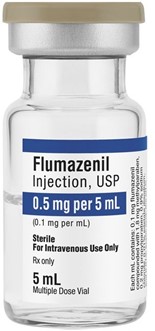
A teenager was brought into the emergency room following a lorazepam overdose. What antidote would the nurse expect to administer?
Naloxone
Acetylcysteine
Physostigmine
Flumazenil
The Correct Answer is D
Flumazenil is a benzodiazepine antagonist that can be used as an antidote for lorazepam overdose ¹. It works by reversing the effects of benzodiazepines such as lorazepam ¹.
Option A is not correct because naloxone is an opioid antagonist and is not used to treat benzodiazepine overdose.
Option B is not correct because acetylcysteine is used to treat acetaminophen overdose and is not used to treat benzodiazepine overdose.
Option C is not correct because physostigmine is used to treat anticholinergic toxicity and is not used to treat benzodiazepine overdose.
Nursing Test Bank
Naxlex Comprehensive Predictor Exams
Related Questions
Correct Answer is A
Explanation
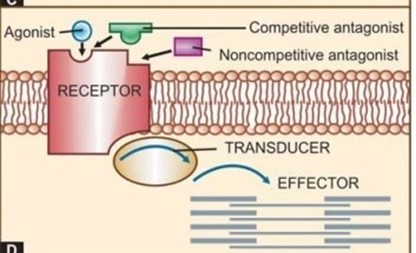
In pharmacodynamics, receptors play a crucial role in mediating the effects of medications ¹. Medications must bind with receptors to mimic or block the actions of the body's own regulatory molecules ¹. This binding can activate or inhibit the receptor, leading to a biological response ¹.
Option B is incorrect because activation of the receptor by the medication does not necessarily cause the cell to develop a new function.
Option C is incorrect because receptors do not start the process of metabolism of the medication by the liver.
Option D is incorrect because binding a medication to a receptor does not necessarily make the medication more selective to that type of receptor.
Correct Answer is D
Explanation
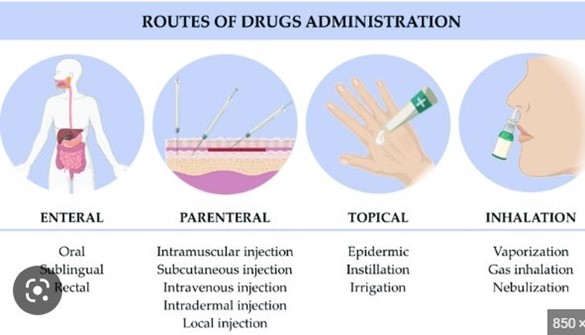
Intravenous (IV) administration of medication involves injecting the medication directly into a vein. This route of administration has the most rapid onset of action because the medication is delivered directly into the bloodstream and can be quickly distributed throughout the body.
Options a, b, and c are not correct because they do not have as rapid an onset of action as intravenous administration. Sublingual administration involves placing the medication under the tongue, where it is absorbed into the bloodstream through the mucous membranes. Intradermal administration involves injecting the medication into the top layer of the skin. Subcutaneous administration involves injecting the medication into the fat tissue just under the skin. While these routes can be effective for delivering medication, they do not have as rapid an onset of action as intravenous administration.
Whether you are a student looking to ace your exams or a practicing nurse seeking to enhance your expertise , our nursing education contents will empower you with the confidence and competence to make a difference in the lives of patients and become a respected leader in the healthcare field.
Visit Naxlex, invest in your future and unlock endless possibilities with our unparalleled nursing education contents today