
According to the Institute of Medicine, which population is most at risk for low health literacy?
Young adults.
Children.
Adolescents.
The elderly.
The Correct Answer is D
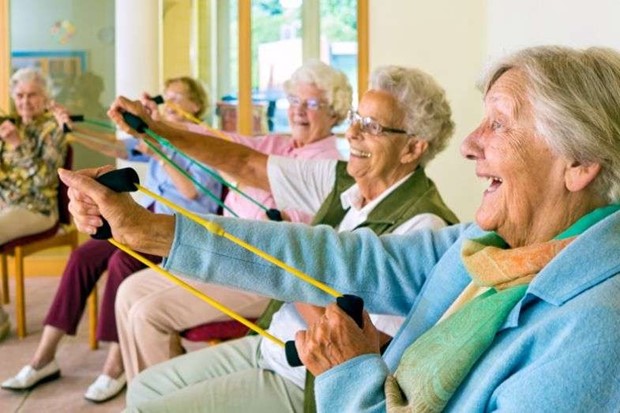
According to the Institute of Medicine, the elderly population is most at risk for low health literacy.
Health literacy is the degree to which individuals have the ability to find, understand, and use information and services to inform health-related decisions and actions.
When individuals have limited personal health literacy, they are at higher risk of misunderstanding information that is important to achieving and maintaining health.
Choice A is not the answer because young adults are not the population most at risk for low health literacy.
Choice B is not the answer because children are not the population most at risk for low health literacy.
Choice C is not the answer because adolescents are not the population most at risk for low health literacy.
Nursing Test Bank
Naxlex Comprehensive Predictor Exams
Related Questions
Correct Answer is A
Explanation
The Socioecological model is a framework for understanding the dynamic interrelations among various personal and environmental factors.
It considers the complex interplay between individual, relationship, community, and societal factors.
This model helps to understand the range of factors that put people at risk for violence or protect them from experiencing or perpetrating violence.
Choice B, Social cognitive theory, focuses on how people learn by observing others and the role of personal factors and the environment in behavior.
Choice C, Transtheoretical theory, focuses on the stages of change individuals go through when modifying behavior.
Choice D, Diffusion of innovation theory, focuses on how new ideas and technologies spread within a society.
Correct Answer is D
Explanation
In order to justify the budget request for a new health promotion program, the student health center nurse must first determine the cost of the program.
This will provide a basis for the budget request and allow the nurse to explain why the requested funds are necessary.
Choice A is not the correct answer because determining what activities were implemented is not the most important step in justifying a budget request.
Choice B is not the correct answer because justifying conclusions is not the most important step in justifying a budget request.
Choice C is not the correct answer because identifying the most important outcomes is not the most important step in justifying a budget request.
Whether you are a student looking to ace your exams or a practicing nurse seeking to enhance your expertise , our nursing education contents will empower you with the confidence and competence to make a difference in the lives of patients and become a respected leader in the healthcare field.
Visit Naxlex, invest in your future and unlock endless possibilities with our unparalleled nursing education contents today