
After teaching a client newly diagnosed with cholecystitis about recommended diet changes, the nurse evaluates the client's learning. Which food choices eliminated by the client indicate to the nurse that teaching has been successful?
Canned vegetables with additional table salt.
Pasta with herbal butter and no meat sauce.
Citrus fruit and melon with a salt substitute.
Whole milk and daily servings of ice cream.
The Correct Answer is D
Choice A reason: Canned vegetables with additional table salt are not a good choice for someone with cholecystitis, because they are high in sodium, which can increase fluid retention and inflammation. However, this choice is not eliminated by the client, so it does not indicate successful teaching.
Choice B reason: Pasta with herbal butter and no meat sauce is a good choice for someone with cholecystitis, because it is low in fat and protein, which can trigger gallbladder contractions and pain. This choice is not eliminated by the client, so it does not indicate successful teaching.
Choice C reason: Citrus fruit and melon with a salt substitute are also good choices for someone with cholecystitis, because they are high in vitamin C and water, which can help dissolve gallstones and prevent infection. This choice is not eliminated by the client, so it does not indicate successful teaching.
Choice D reason: Whole milk and daily servings of ice cream are bad choices for someone with cholecystitis, because they are high in fat and cholesterol, which can worsen gallbladder inflammation and increase the risk of gallstone formation. This choice is eliminated by the client, so it indicates successful teaching.
Nursing Test Bank
Naxlex Comprehensive Predictor Exams
Related Questions
Correct Answer is ["A","B","C"]
Explanation
Choice A reason: Presenting a calm, supportive demeanor is an appropriate intervention for a client who is experiencing anxiety and hallucinations. The nurse should use a soothing tone of voice, maintain eye contact, and avoid arguing or challenging the client's perceptions. This can help reduce the client's agitation and promote trust.
Choice B reason: Reorienting to day and time frequently is an appropriate intervention for a client who is experiencing anxiety and hallucinations. The nurse should provide reality-based information and reminders about the client's situation, such as the reason for hospitalization, the name of the nurse, and the expected plan of care. This can help the client regain a sense of orientation and control.
Choice C reason: Administering an as needed (PRN) dose of lorazepam is an appropriate intervention for a client who is experiencing anxiety and hallucinations. Lorazepam is a benzodiazepine that can reduce anxiety, agitation, and psychotic symptoms by enhancing the effects of gamma-aminobutyric acid (GABA), an inhibitory neurotransmitter in the brain. The nurse should monitor the client's vital signs, level of sedation, and risk of falls after giving the medication.
Choice D reason: Turning the television on for distraction is not an appropriate intervention for a client who is experiencing anxiety and hallucinations. The television can increase the sensory stimulation and confusion for the client, and may worsen the hallucinations or delusions. The nurse should provide a quiet and safe environment for the client.
Choice E reason: Applying soft wrist restraints bilaterally is not an appropriate intervention for a client who is experiencing anxiety and hallucinations. Restraints can increase the anxiety and agitation for the client, and may cause physical or psychological harm. The nurse should use restraints only as a last resort when other less restrictive measures have failed to protect the client or others from harm.
Correct Answer is A
Explanation
Choice A reason: This is correct because performing a bedside pregnancy test is the intervention that should be implemented immediately by the nurse. This is to confirm or rule out pregnancy and inform the surgical team of any possible risks or complications that may affect the client or the fetus.
Choice B reason: This is incorrect because continuing with surgery as scheduled is not an appropriate intervention without verifying the pregnancy status of the client. Surgery may pose serious threats to both maternal and fetal health, such as bleeding, infection, anesthesia complications, or miscarriage.
Choice C reason: This is incorrect because calculating gestation from last menstrual cycle is not an accurate or reliable method of determining pregnancy. The menstrual cycle can vary widely among women and may be affected by various factors such as stress, illness, or medication.
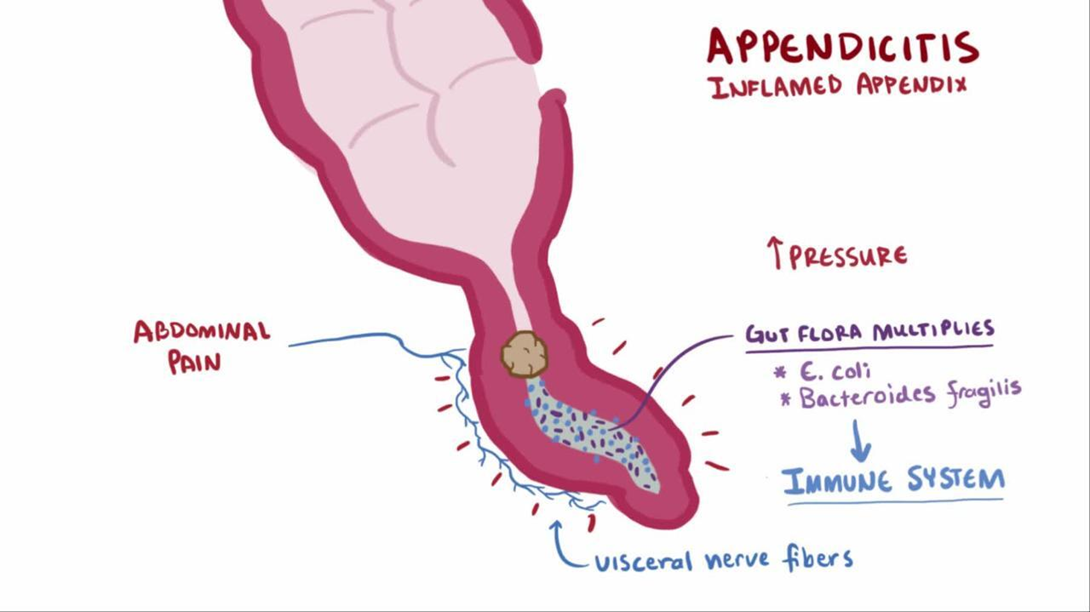
Choice D reason: This is incorrect because notifying the surgical team to cancel the surgery is not a necessary intervention unless pregnancy is confirmed. Appendicitis is a medical emergency that requires prompt surgical treatment to prevent rupture, peritonitis, or sepsis.
Whether you are a student looking to ace your exams or a practicing nurse seeking to enhance your expertise , our nursing education contents will empower you with the confidence and competence to make a difference in the lives of patients and become a respected leader in the healthcare field.
Visit Naxlex, invest in your future and unlock endless possibilities with our unparalleled nursing education contents today