
Cognitive restructuring techniques include all of the following, except:
Relaxation, decatastrophizing, reframing
Positive self-talk
Behavioral reinforcement
Cognitive reframing
The Correct Answer is C
Choice A reason: Relaxation, decatastrophizing, and reframing are core components of cognitive restructuring. They help clients challenge irrational thoughts, reduce anxiety, and replace maladaptive thinking with healthier perspectives.
Choice B reason: Positive self-talk is a recognized cognitive restructuring technique. It involves replacing negative internal dialogue with affirmations or constructive thoughts, which supports improved coping and self-esteem.
Choice C reason: Behavioral reinforcement is not a cognitive restructuring technique. It is a behavioral strategy rooted in operant conditioning, focusing on modifying actions through rewards or consequences rather than restructuring thought patterns.
Choice D reason: Cognitive reframing is central to cognitive restructuring. It involves changing the way a person interprets situations, helping them view challenges in a more balanced and less distressing way.
Nursing Test Bank
Naxlex Comprehensive Predictor Exams
Related Questions
Correct Answer is B
Explanation
Choice A reason: Asking about reservations is open-ended but does not directly address the client’s concern. While it may encourage discussion, it does not provide therapeutic education about the role of therapy.
Choice B reason: This is the most therapeutic response because it explains the complementary roles of medication and therapy. Antidepressants correct neurochemical imbalances, but therapy addresses thought patterns, coping skills, and long-term behavioral change. This empowers the client with understanding and emphasizes the importance of combined treatment.
Choice C reason: Referring to insurance coverage is not therapeutic. It focuses on financial logistics rather than the clinical rationale for therapy.
Choice D reason: Suggesting that medication effects will not last forever may increase anxiety and resistance. It does not provide supportive education and may feel dismissive.
Correct Answer is A
Explanation
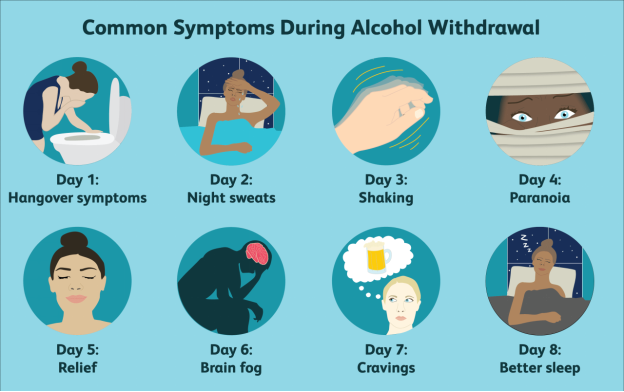
Choice A reason:This is correct because sudden cessation of alcohol after prolonged heavy use can cause life-threatening withdrawal symptoms such as seizures, delirium tremens, and severe autonomic instability. Medical supervision and pharmacological support (e.g., benzodiazepines) are necessary to ensure safety during detoxification.
Choice B reason:While supportive, this does not address the immediate danger of stopping alcohol suddenly. Motivation is important, but the nurse must prioritize safety and emphasize medical management of withdrawal.
Choice C reason:This is incorrect because withdrawal symptoms can be severe and potentially fatal. Rest alone is not sufficient, and medical intervention is necessary.
Choice D reason:This is incorrect because it minimizes the severity of alcohol withdrawal. Headaches and anxiety are possible, but seizures and delirium tremens are more serious risks. Acetaminophen and rest are inadequate management strategies.
Whether you are a student looking to ace your exams or a practicing nurse seeking to enhance your expertise , our nursing education contents will empower you with the confidence and competence to make a difference in the lives of patients and become a respected leader in the healthcare field.
Visit Naxlex, invest in your future and unlock endless possibilities with our unparalleled nursing education contents today