
During a physical examination, a client demonstrates difficulty swallowing. Which cranial nerve should the nurse consider assessing for dysfunction?
Cranial nerve VII (facial)
Cranial nerve IX (glossopharyngeal)
Cranial nerve V (trigeminal)
Cranial nerve I (olfactory)
The Correct Answer is B
Choice A reason: Cranial nerve VII, the facial nerve, is primarily responsible for facial expressions, taste on the anterior two-thirds of the tongue, and lacrimation. While it has sensory and motor functions, it is not the primary nerve associated with the complex swallowing reflex mechanism, which involves the pharynx.
Choice B reason: Cranial nerve IX, the glossopharyngeal nerve, provides motor innervation to the stylopharyngeus muscle and sensory innervation to the pharynx, posterior one-third of the tongue, and tonsils. It is critical for the gag reflex and coordinating the muscular actions necessary for efficient, safe swallowing, making it the primary focus here.
Choice C reason: Cranial nerve V, the trigeminal nerve, handles motor function for muscles of mastication and sensory input from the face. While mastication is the initial stage of ingestion, dysphagia specifically related to the swallowing reflex is more directly mediated by the glossopharyngeal and vagus nerves.
Choice D reason: Cranial nerve I, the olfactory nerve, is exclusively sensory and is responsible for the sense of smell. It does not play any role in the motor function of the oropharyngeal muscles or the coordination of the swallowing reflex, thus it is irrelevant to the assessment of dysphagia.
Nursing Test Bank
Naxlex Comprehensive Predictor Exams
Related Questions
Correct Answer is C
Explanation
Choice A reason: A history of cigarette smoking is a significant risk factor for cardiovascular disease, chronic obstructive pulmonary disease, and peripheral vascular disease. However, it is an historical demographic factor and is not a clinical manifestation or symptom directly caused by or predictive of acute bradycardia.
Choice B reason: Hypoglycemia typically presents with sympathetic nervous system activation, resulting in tachycardia, diaphoresis, tremors, and anxiety as the body attempts to mobilize glucose stores. It is physiologically inconsistent with the manifestation of a heart rate of 56/min, which reflects parasympathetic dominance or conduction system pathology.
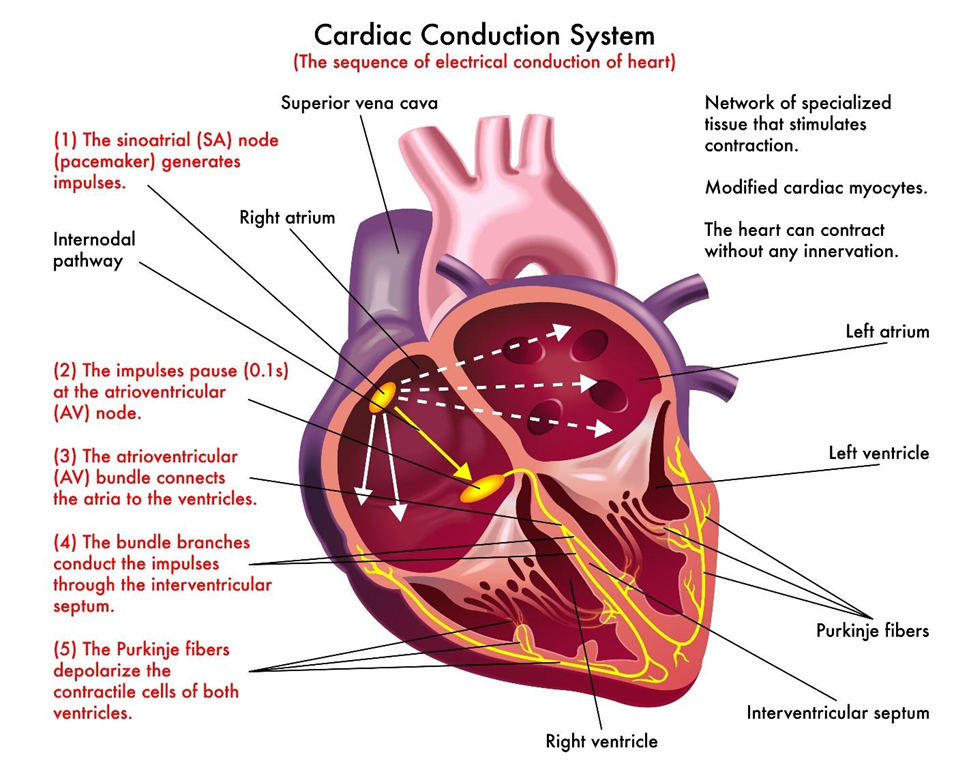
Choice C reason: A heart rate of 56/min is classified as bradycardia. When the heart rate is insufficient to maintain adequate cardiac output to meet systemic metabolic demands, cerebral perfusion may be compromised, resulting in symptoms such as dizziness, syncope, lightheadedness, fatigue, or altered mental status in symptomatic clients.
Choice D reason: Hyperthermia, defined as a temperature of 39° C, generally induces a physiological increase in the metabolic rate, leading to a compensatory tachycardia rather than bradycardia. The increase in body temperature stimulates the sinoatrial node, typically causing the heart rate to rise rather than fall below the normal range.
Correct Answer is C
Explanation
Choice A reason: Documenting patient complaints of chest pain is accurate, but the phrase "states it started an hour ago" is subjective. While necessary for the chart, objective documentation focuses on measurable data, whereas this entry is a mix of subjective reporting rather than a purely clinical physical assessment finding.
Choice B reason: Documentation of a plan is part of the nursing process, but it describes future intentions rather than a current objective assessment finding. Legal documentation requires a clear separation between what was physically observed during the assessment and the subsequent clinical orders or care planning steps taken.
Choice C reason: This entry is strictly objective, providing measurable hemodynamic data (blood pressure) and specific physical assessment findings (regular rhythm, bounding pulse). This level of detail is essential for legal and clinical accuracy, as it provides a verifiable record of the patient's physiological state during the examination.
Choice D reason: Describing a patient as appearing "anxious" or "seeming uncomfortable" relies on subjective interpretation of the patient's behavior. Objective documentation should describe the clinical observations that led to the conclusion, such as "patient pacing, respiratory rate 22/min, diaphoresis present," rather than using vague subjective labels.
Whether you are a student looking to ace your exams or a practicing nurse seeking to enhance your expertise , our nursing education contents will empower you with the confidence and competence to make a difference in the lives of patients and become a respected leader in the healthcare field.
Visit Naxlex, invest in your future and unlock endless possibilities with our unparalleled nursing education contents today