
During a routine check-up, a patient reports muscle rigidity following initiation of antipsychotic therapy. What does this indicate?
Acute dystonia
Pseudoparkinsonism
Tardive dyskinesia
Akathisia
The Correct Answer is B
Choice A reason: Acute dystonia involves sudden, involuntary muscle contractions often resulting in abnormal posturing, such as torticollis or oculogyric crisis. While it involves muscle tension, it is typically more spasmodic and localized than the generalized rigidity and slowed movements that characterize the parkinsonian-like side effects seen during routine therapy check-ups.
Choice B reason: Pseudoparkinsonism is induced by the blockade of dopamine D2 receptors in the nigrostriatal pathway, mimicking the symptoms of Parkinson's disease. This manifests as generalized muscle rigidity, a shuffling gait, tremors, and bradykinesia. It is a common subacute reaction that develops within days to weeks of starting an antipsychotic.
Choice C reason: Tardive dyskinesia is characterized by hyperkinetic movements rather than rigidity. It usually develops after months or years of neuroleptic use. The pathophysiology involves dopamine receptor supersensitivity, leading to uncontrollable movements like lip smacking, which is the functional opposite of the stiff, rigid muscles described in this specific clinical scenario.
Choice D reason: Akathisia presents as a profound sense of restlessness and an inability to sit still. Patients often describe feeling like they are "jumping out of their skin." This condition is characterized by excessive motor activity and subjective agitation rather than the physical stiffness or rigidity found in pseudoparkinsonism.
Nursing Test Bank
Naxlex Comprehensive Predictor Exams
Related Questions
Correct Answer is B
Explanation
Choice A reason: Social network size is considered a sociocultural factor rather than a strictly economic one. While a robust social support system is vital for psychological resilience and stress mitigation, it does not directly measure the financial resources or the fiscal security required to access healthcare, housing, and nutritional needs.
Choice B reason: Income stability is a primary economic determinant of mental health because it dictates a client's ability to maintain a consistent standard of living. Fluctuations in financial security are strongly correlated with increased cortisol levels, chronic stress, and a higher prevalence of generalized anxiety disorder and major depression.
Choice C reason: The number of dependents is a demographic variable that influences financial strain but is not an economic factor itself. While having more dependents can increase the cost of living, the clinical focus of an economic assessment is the availability and reliability of the funds to support them.
Choice D reason: Educational attainment is a socioeconomic status indicator that often correlates with earning potential, but it is categorized as a social determinant of health. A high level of education does not guarantee current economic security if the client is presently unemployed or facing a volatile job market.
Correct Answer is C
Explanation
Choice A reason: Digestion and metabolism are primarily regulated by the hypothalamus and the autonomic nervous system, specifically the parasympathetic branch. The amygdala does not have a direct role in these metabolic processes, as its primary function is centered on emotional processing and the detection of environmental threats.
Choice B reason: Modulating visual sensory input is the primary function of the occipital lobe and parts of the thalamus, such as the lateral geniculate nucleus. While the amygdala receives visual information to scan for threats, it does not modulate the primary sensory input itself but rather interprets the emotional significance.
Choice C reason: The amygdala serves as the brain's emotional centers, specifically for processing fear and aggression. In anxiety disorders, the amygdala becomes hyperactive, triggering the hypothalamus to activate the sympathetic nervous system. This results in the physiological "fight or flight" response, including increased heart rate and heightened arousal.
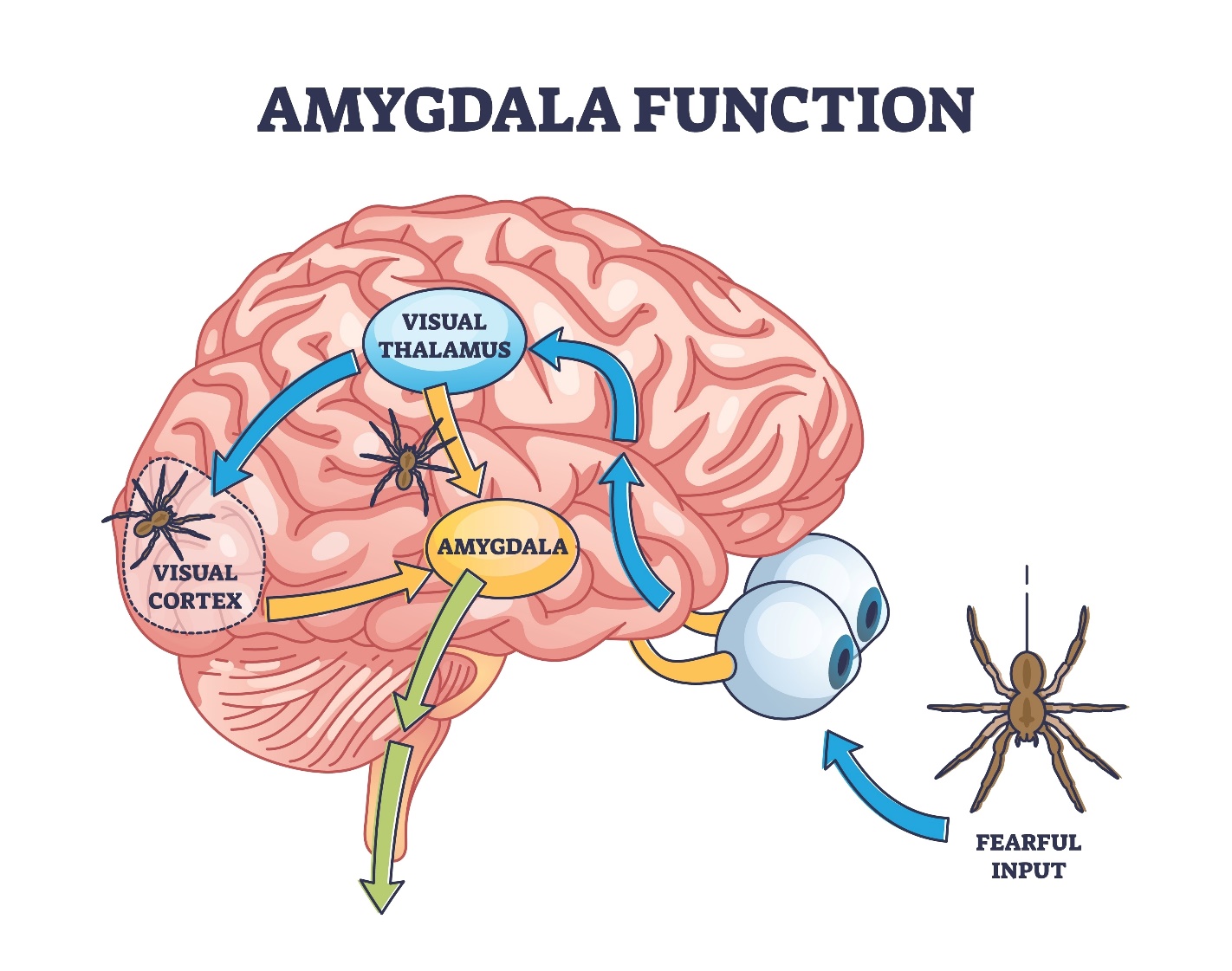
Choice D reason: Regulating voluntary motor functions is the responsibility of the primary motor cortex, cerebellum, and basal ganglia. The amygdala is part of the limbic system, and while it can influence motor behavior in response to fear (such as freezing), it does not regulate general voluntary movement or coordination.
Whether you are a student looking to ace your exams or a practicing nurse seeking to enhance your expertise , our nursing education contents will empower you with the confidence and competence to make a difference in the lives of patients and become a respected leader in the healthcare field.
Visit Naxlex, invest in your future and unlock endless possibilities with our unparalleled nursing education contents today