
During the planning step of the nursing process, the nurse performs which activity? Select one answer
Collects data
Records data
Prioritizes care
Carries out interventions
The Correct Answer is C
Choice A reason: Collects data is not an activity that the nurse performs during the planning step of the nursing process. Collecting data is an activity that the nurse performs during the assessment step of the nursing process, which involves gathering and analyzing information about the client’s health status, history, and environment.
Therefore, this choice is incorrect.
Choice B reason: Records data is not an activity that the nurse performs during the planning step of the nursing process. Recording data is an activity that the nurse performs during the documentation step of the nursing process, which involves writing or entering the data and findings in the client’s record or chart. Therefore, this choice is incorrect.
Choice C reason: Prioritizes care is an activity that the nurse performs during the planning step of the nursing process. Prioritizing care is an activity that involves ranking the client’s problems, needs, or risks according to their urgency, importance, or potential impact. It helps the nurse to allocate time and resources efficiently, and to address the most critical or significant issues first. Therefore, this choice is correct.
Choice D reason: Carries out interventions is not an activity that the nurse performs during the planning step of the nursing process. Carrying out interventions is an activity that the nurse performs during the implementation step of the nursing process, which involves executing the plan of care and performing the interventions and activities that were planned. Therefore, this choice is incorrect.
Nursing Test Bank
Naxlex Comprehensive Predictor Exams
Related Questions
Correct Answer is B
Explanation
Choice A reason: Ineffective thermoregulation is a nursing diagnosis that indicates a problem with the body’s ability to maintain a normal temperature range. It can be caused by factors such as infection, inflammation, or environmental exposure. It can result in symptoms such as fever, chills, sweating, or shivering. The client’s temperature of 102oF (38.9oC) suggests that they have ineffective thermoregulation, but it is not the highest priority nursing diagnosis, as it is not immediately life-threatening. Therefore, this choice is incorrect.
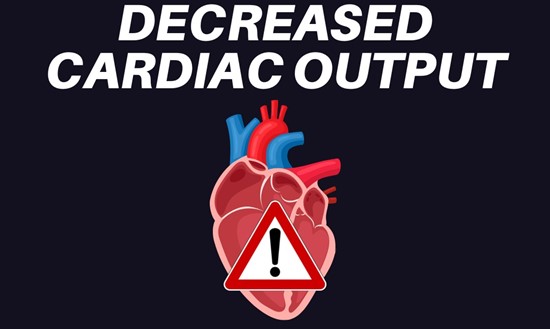
Choice B reason: Decreased cardiac output is a nursing diagnosis that indicates a problem with the amount of blood pumped by the heart per minute. It can be caused by factors such as arrhythmias, heart failure, or shock. It can result in symptoms such as hypotension, tachycardia, dyspnea, or oliguria. The client’s heart rate of 144 beats/minute and irregular suggests that they have decreased cardiac output, which is the highest priority nursing diagnosis, as it can lead to organ failure or death if not treated promptly. Therefore, this choice is correct.
Choice C reason: Ineffective breathing patern is a nursing diagnosis that indicates a problem with the rate, rhythm, depth, or quality of respirations. It can be caused by factors such as airway obstruction, lung disease, or anxiety. It can result in symptoms such as dyspnea, cyanosis, or hypoxia. The client’s respiratory rate of 22 breaths/minute is within the normal range and does not indicate an ineffective breathing patern. Therefore, this choice is incorrect.
Choice D reason: Ineffective renal tissue perfusion is a nursing diagnosis that indicates a problem with the blood flow to the kidneys. It can be caused by factors such as renal artery stenosis, dehydration, or sepsis. It can result in symptoms such as oliguria, hematuria, or azotemia. The client’s vital signs do not indicate an ineffective renal tissue perfusion, and there is no evidence of renal impairment or dysfunction. Therefore, this choice is incorrect.
Correct Answer is D
No explanation
Whether you are a student looking to ace your exams or a practicing nurse seeking to enhance your expertise , our nursing education contents will empower you with the confidence and competence to make a difference in the lives of patients and become a respected leader in the healthcare field.
Visit Naxlex, invest in your future and unlock endless possibilities with our unparalleled nursing education contents today