
Excessive fluid in the pleural cavity would be most likely to cause:
increased residual volume.
decreased vital capacity.
increased functional reserve volume.
decreased tidal volume.
The Correct Answer is B
A. increased residual volume: Excessive fluid in the pleural space (pleural effusion) compresses the lung, making it harder to keep air inside, usually not increasing the residual volume.
B. decreased vital capacity: The fluid occupies space in the chest cavity and prevents the lung from fully expanding, the maximum amount of air a person can inhale and exhale (vital capacity) is reduced.
C. increased functional reserve volume: Lung compression typically reduces all functional volumes rather than increasing them.
D. decreased tidal volume: While tidal volume might eventually decrease, the primary clinical indicator of restrictive lung pressure from fluid is the decrease in total Vital Capacity.
Nursing Test Bank
Naxlex Comprehensive Predictor Exams
Related Questions
Correct Answer is D
Explanation
A. two nerve fibers come in direct contact: In a chemical synapse, there is a physical gap called the synaptic cleft; the neurons do not touch.
B. impulses will pass in either direction: Chemical synapses are one-way streets because receptors are only located on the postsynaptic membrane.
C. an electrical spark will jump the gap: Nerve impulses are electrochemical, but they do not "spark" across the air/fluid gap like static electricity.
D. chemical transmitters are released: The arrival of an action potential triggers the release of neurotransmitters (like acetylcholine) to carry the signal across the cleft.
Correct Answer is C
Explanation
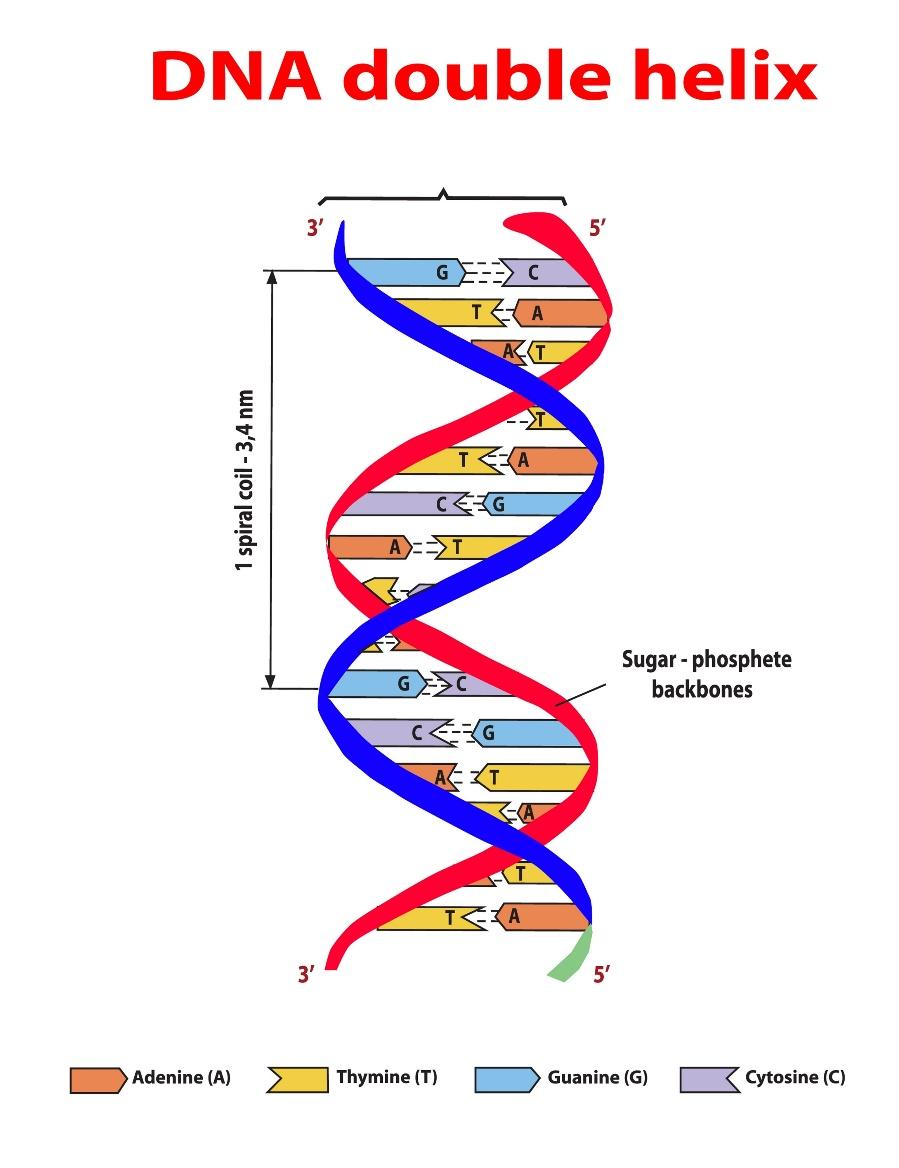
A. is a single strand of nucleotides: DNA is double-stranded. RNA is typically single-stranded.
B. contains the sugar ribose: DNA contains deoxyribose. Ribose is found in RNA.
C. is a double-helix strand of nucleotides: The molecular structure of DNA consists of two complementary strands that twist into a double-helix.
D. transports amino acids during protein synthesis: That is the specific function of transfer RNA (tRNA).
Whether you are a student looking to ace your exams or a practicing nurse seeking to enhance your expertise , our nursing education contents will empower you with the confidence and competence to make a difference in the lives of patients and become a respected leader in the healthcare field.
Visit Naxlex, invest in your future and unlock endless possibilities with our unparalleled nursing education contents today