
Following the infusion of a unit of packed red blood cells, the client has developed new onset tachycardia, bounding pulses, crackles, and wheeze. Which action should the nurse implement FIRST?
Place the client in a high-fowler's position
Immediately elevate the client's legs above their heart
Consult the physician regarding the initiation of oxygen therapy
Slow the rate of infusion of intravenous fluids to a maintenance rate
The Correct Answer is A
Choice A reason: These symptoms are indicative of transfusion-associated circulatory overload (TACO). Positioning the client in a high-fowler's position is the immediate priority. This mechanical intervention utilizes gravity to decrease venous return to the heart, thereby reducing preload and easing the respiratory distress caused by acute pulmonary congestion.
Choice B reason: Elevating the legs above the heart is completely contraindicated in the setting of circulatory overload. This position would promote venous return to the heart, increasing volume and further exacerbating cardiac strain and pulmonary edema. It is the opposite of the required intervention to manage acute fluid overload.
Choice C reason: While oxygen therapy is indicated for a patient experiencing respiratory compromise, it is not the first action. The nurse must prioritize positioning the patient to mechanically reduce cardiac load. Consulting a physician takes time, whereas immediate positioning is a nursing intervention that can be performed instantly at the bedside.
Choice D reason: Slowing the rate of intravenous fluids is an appropriate secondary step, but it is not the first priority. The patient is already experiencing respiratory failure due to fluid overload; mechanical repositioning to improve ventilation and reduce cardiac preload is the most urgent intervention to stabilize the patient's respiratory status.
Nursing Test Bank
Naxlex Comprehensive Predictor Exams
Related Questions
Correct Answer is ["E","F"]
Explanation
Choice A reason: Weight gain is not expected in severe ulcerative colitis. Instead, these clients typically experience significant weight loss due to malnutrition, decreased oral intake secondary to abdominal pain, and the malabsorptive nature of chronic intestinal inflammation.
Choice B reason: While dehydration can occur due to diarrhea, extreme thirst is not a specific diagnostic manifestation of ulcerative colitis. Dehydration is usually addressed by monitoring for fluid volume deficit rather than identifying extreme thirst as a defining symptom of this disease.
Choice C reason: Esophageal ulcers are not associated with ulcerative colitis. Ulcerative colitis is a disease process specifically limited to the mucosa and submucosa of the colon and rectum, whereas Crohn's disease can affect any part of the gastrointestinal tract, including the esophagus.
Choice D reason: Perianal fistulas are a hallmark complication of Crohn's disease, not ulcerative colitis. In ulcerative colitis, inflammation is continuous and superficial, primarily affecting the mucosal layer, and does not typically result in the deep, transmural fistulizing processes seen in Crohn's disease.
Choice E reason: Rectal bleeding is a classic sign of ulcerative colitis. The inflammation and ulceration of the colonic and rectal mucosa lead to friable tissue that bleeds easily. The presence of bright red blood per rectum is a common and expected clinical finding during an acute exacerbation of the disease.
Choice F reason: Bloody diarrhea is a primary clinical manifestation of ulcerative colitis. The inflammatory process causes the mucosal lining of the colon to slough off, leading to frequent, liquid stools that contain blood, mucus, and pus. This is a direct consequence of the extensive mucosal ulceration.
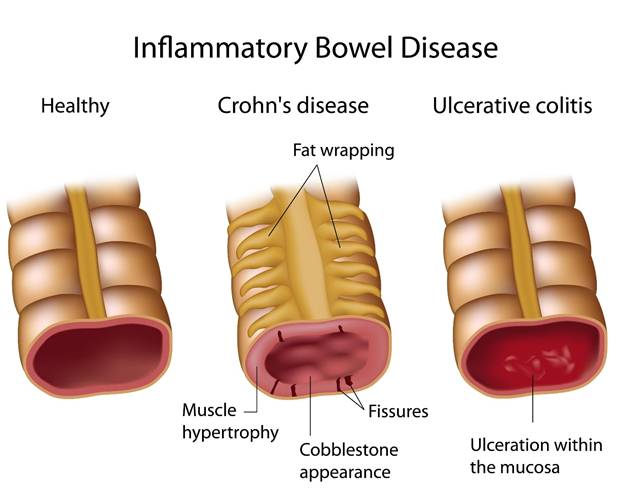
Choice G reason: Constipation is not an expected finding. The underlying pathophysiology involves hypermotility and inflammation, which produces diarrhea rather than slowing transit time.
Correct Answer is D
Explanation
Choice A reason: Anticoagulants, such as heparin or low-molecular-weight heparins, are standard in the treatment of unstable angina to prevent further thrombus propagation. They do not possess significant systemic vasodilatory properties and do not cause or exacerbate hypotension in the clinical context of managing ischemic heart disease.
Choice B reason: Calcium channel blockers, such as diltiazem or amlodipine, are often indicated for patients with unstable angina to reduce coronary vasospasm and decrease myocardial workload. While they can lower blood pressure, they are therapeutic agents in this condition and are not contraindicted as a class for the specific risk of hypotension.
Choice C reason: Beta-blockers are a cornerstone of therapy for unstable angina because they decrease heart rate and myocardial contractility, thereby reducing oxygen demand. While they do decrease blood pressure, they are considered standard-of-care agents to prevent myocardial infarction and are not contraindicted due to hypotension in this clinical scenario.
Choice D reason: Phosphodiesterase-5 inhibitors, such as sildenafil or tadalafil, are strictly contraindicated in patients receiving nitrates for angina. Both classes increase cyclic guanosine monophosphate, leading to profound, potentially fatal systemic vasodilation and severe, refractory hypotension that can dangerously reduce coronary artery perfusion during an acute ischemic event.
Whether you are a student looking to ace your exams or a practicing nurse seeking to enhance your expertise , our nursing education contents will empower you with the confidence and competence to make a difference in the lives of patients and become a respected leader in the healthcare field.
Visit Naxlex, invest in your future and unlock endless possibilities with our unparalleled nursing education contents today