
A nurse is caring for a client in the cardiac unit.
Complete the diagram by dragging from the choices below to specify what condition the client is most likely experiencing, 2 actions the nurse should take to address that condition, and 2 parameters the nurse should monitor to assess the client’s progress.
The Correct Answer is []
Rationale for correct condition:
The client exhibits classic manifestations of an acute myocardial infarction, including severe, radiating chest pain and diaphoresis. Diagnostic laboratory results demonstrate significantly elevated troponin and ck-mb levels, which provide definitive evidence of myocardial necrosis. Tachycardia and hypertension serve as physiological indicators of sympathetic activation in response to profound cardiac ischemia. Persistent pain despite nitroglycerin treatment further differentiates this acute event from stable forms of angina. Therefore, the clinical data confirms an acute coronary event requiring immediate intervention.
Rationale for the two correct actions:
(Administer oxygen): This intervention is necessary because the client is demonstrating hypoxemia, which exacerbates myocardial tissue death. Increasing the fraction of inspired oxygen helps to maximize the oxygenation of remaining myocardial cells, thereby potentially reducing the extent of the infarction.
(Administer aspirin): This medication is crucial because it acts as an antiplatelet agent that irreversibly inhibits cyclooxygenase-1, preventing the formation of thromboxane a2. By limiting platelet aggregation, aspirin restricts the size of the thrombus at the site of coronary artery occlusion, which is vital for re-establishing flow.
Rationale for parameters to monitor:
(EKG changes): Monitoring electrocardiographic rhythm and morphology is essential to identify the evolution of st-segment elevations or the development of lethal arrhythmias. Rapid identification of these changes allows the clinical team to implement interventions before the infarction leads to ventricular failure or cardiac arrest.
(Troponin levels): Serial monitoring of this cardiac-specific protein is required to assess the extent of myocardial injury and to evaluate the resolution of the ischemic process. A downward trend in these levels after successful reperfusion helps clinicians determine the efficacy of the management plan.
Rationale for incorrect conditions:
Pulmonary embolism typically presents with sudden-onset dyspnea, pleuritic chest pain, and potential hemoptysis, rather than the radiation of pain and enzymatic evidence of cardiac necrosis seen in this case.
Gastroesophageal reflux disease involves acid regurgitation and epigastric burning, but it does not produce the objective laboratory findings of elevated cardiac biomarkers like troponin or ck-mb.
Stable angina is incorrect because the pain experienced by this client is persistent and unresponsive to nitrates, whereas stable angina is typically relieved by rest or nitroglycerin therapy.
Rationale for incorrect actions to take:
Encouraging ambulation is contraindicated during an active infarction because physical activity significantly increases cardiac workload and myocardial oxygen demand, which could worsen the necrotic process.
Providing a high-sodium diet would increase systemic vascular resistance and fluid retention, placing an unnecessary and harmful strain on the already compromised cardiac muscle.
Withholding all medications would be a critical failure in care, as pharmacological intervention is necessary to stabilize the myocardium and prevent fatal outcomes during an active coronary event.
Rationale for incorrect parameters to monitor:
Blood glucose level is not a priority for assessing the immediate progression of myocardial tissue damage, as it does not reflect the status of coronary perfusion.
Urine output is an indirect marker of systemic perfusion, but it lacks the sensitivity and specificity required to monitor the acute status of cardiac muscle damage in this setting.
Calcium levels are not directly involved in the acute diagnostic assessment of myocardial infarction progression or the immediate evaluation of necrotic tissue resolution.
Nursing Test Bank
Naxlex Comprehensive Predictor Exams
Related Questions
Correct Answer is ["E","F"]
Explanation
Choice A reason: Weight gain is not expected in severe ulcerative colitis. Instead, these clients typically experience significant weight loss due to malnutrition, decreased oral intake secondary to abdominal pain, and the malabsorptive nature of chronic intestinal inflammation.
Choice B reason: While dehydration can occur due to diarrhea, extreme thirst is not a specific diagnostic manifestation of ulcerative colitis. Dehydration is usually addressed by monitoring for fluid volume deficit rather than identifying extreme thirst as a defining symptom of this disease.
Choice C reason: Esophageal ulcers are not associated with ulcerative colitis. Ulcerative colitis is a disease process specifically limited to the mucosa and submucosa of the colon and rectum, whereas Crohn's disease can affect any part of the gastrointestinal tract, including the esophagus.
Choice D reason: Perianal fistulas are a hallmark complication of Crohn's disease, not ulcerative colitis. In ulcerative colitis, inflammation is continuous and superficial, primarily affecting the mucosal layer, and does not typically result in the deep, transmural fistulizing processes seen in Crohn's disease.
Choice E reason: Rectal bleeding is a classic sign of ulcerative colitis. The inflammation and ulceration of the colonic and rectal mucosa lead to friable tissue that bleeds easily. The presence of bright red blood per rectum is a common and expected clinical finding during an acute exacerbation of the disease.
Choice F reason: Bloody diarrhea is a primary clinical manifestation of ulcerative colitis. The inflammatory process causes the mucosal lining of the colon to slough off, leading to frequent, liquid stools that contain blood, mucus, and pus. This is a direct consequence of the extensive mucosal ulceration.
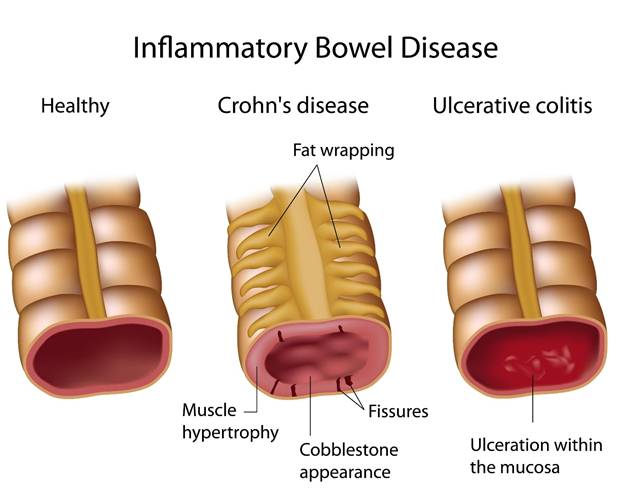
Choice G reason: Constipation is not an expected finding. The underlying pathophysiology involves hypermotility and inflammation, which produces diarrhea rather than slowing transit time.
Correct Answer is A
Explanation
Choice A reason: Hyperlipidemia, hypertension, and poor nutrition are all modifiable risk factors. These factors can be controlled or significantly mitigated through pharmacological intervention, dietary changes, and lifestyle modifications, thereby reducing the progression of atherosclerosis and the overall risk of developing ischemic coronary artery disease in high-risk populations.
Choice B reason: Ethnicity and age are non-modifiable risk factors. While a sedentary lifestyle is modifiable, the inclusion of ethnicity and age makes this group of factors incorrect. Clinical nursing prioritization focuses on factors that the patient can actively change to improve health outcomes, such as activity levels and diet.
Choice C reason: Race and heredity are non-modifiable genetic risk factors. Chronic kidney disease, while a significant independent risk factor, is a chronic medical condition that is managed rather than simply modified through patient behavior. Therefore, this set is not composed entirely of modifiable lifestyle-related risk factors.
Choice D reason: Gender and heredity are non-modifiable biological and genetic risk factors. Although hypertension is modifiable, the presence of non-modifiable variables renders this choice incorrect. Nursing education regarding risk factor modification must focus exclusively on those areas where patient behavioral and lifestyle interventions can produce measurable clinical improvement.
Whether you are a student looking to ace your exams or a practicing nurse seeking to enhance your expertise , our nursing education contents will empower you with the confidence and competence to make a difference in the lives of patients and become a respected leader in the healthcare field.
Visit Naxlex, invest in your future and unlock endless possibilities with our unparalleled nursing education contents today