
A client diagnosed with schizophrenia is prescribed clozapine. The nurse teaches the client and family to call the physician immediately if:
There are any signs of infection.
There is a decrease in hallucinations.
Appetite continues to decrease after one week.
Insomnia occurs for more than two nights.
The Correct Answer is A
Choice A Reason:
Clozapine is known to cause agranulocytosis, a potentially life-threatening condition where the white blood cell count drops significantly, leading to a higher risk of infection. Patients on clozapine must have regular blood tests to monitor their white blood cell count. Any signs of infection, such as fever, sore throat, or flu-like symptoms, should be reported to a physician immediately as they could indicate agranulocytosis.
Choice B Reason:
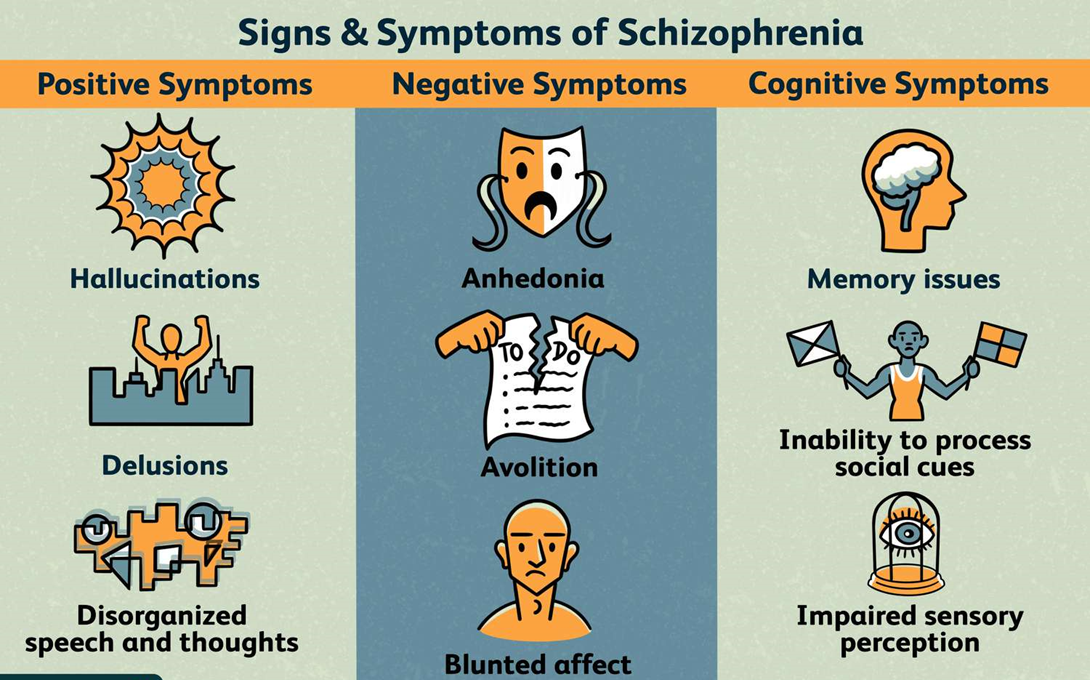
A decrease in hallucinations is generally a positive sign indicating that the medication is working effectively. It is not a reason to call the physician immediately. Instead, this should be discussed during regular follow-up appointments to assess the overall effectiveness of the treatment.
Choice C Reason:
While a decrease in appetite can be a side effect of clozapine, it is not typically an emergency unless it leads to significant weight loss or malnutrition. This should be monitored and discussed with the physician during regular visits. If the decrease in appetite is severe or persistent, it may warrant a call to the physician, but it is not as urgent as signs of infection.
Choice D Reason:
Insomnia can occur with clozapine use, but it is usually managed with adjustments to the medication regimen or additional treatments for sleep. While it is important to address insomnia, it does not require immediate medical attention unless it severely impacts the patient’s well-being.
Nursing Test Bank
Naxlex Comprehensive Predictor Exams
Related Questions
Correct Answer is C
Explanation
Choice A: Assess regularly for self-harm during treatment
Regular assessment for self-harm is crucial in any psychiatric care plan, especially for clients with conversion disorder who may experience significant distress. However, this action alone does not address the underlying issues or provide the client with tools to manage their symptoms. Continuous monitoring is important, but it should be part of a broader, more comprehensive care plan.
Choice B: Allow for unlimited discussion on physical symptoms
While it is important to validate the client’s experiences and provide a space for them to discuss their symptoms, allowing unlimited discussion can sometimes reinforce the symptoms and lead to increased focus on physical complaints. This approach may not be beneficial in the long term and can detract from addressing the psychological aspects of the disorder.
Choice C: Discuss alternative coping strategies with the client
This is the correct answer. Discussing alternative coping strategies helps the client develop skills to manage their symptoms more effectively. Techniques such as cognitive-behavioral therapy (CBT), relaxation exercises, and stress management can be very beneficial. These strategies empower the client to handle stress and reduce the impact of their symptoms. Providing education on coping mechanisms is a proactive approach that can lead to better outcomes.
Choice D: Encourage alone time for the client in seclusion
Encouraging alone time in seclusion is generally not recommended for clients with conversion disorder. Seclusion can increase feelings of isolation and distress, potentially exacerbating symptoms. Instead, supportive and interactive interventions are preferred to help the client feel connected and understood.
Correct Answer is B
Explanation
Choice A Reason:
Somatic.
Somatic delusions involve a false belief that there is something physically wrong with one’s body, such as having a serious illness or a physical defect. In this scenario, the client’s belief that the food is poisoned does not relate to their own body but rather to an external threat, making somatic delusions an incorrect classification.
Choice B Reason:
Persecutory.
This is the correct response. Persecutory delusions, also known as paranoid delusions, involve the belief that one is being targeted, harassed, or conspired against. The client’s statement that the staff is poisoning the food reflects a belief that they are being harmed or targeted, which is characteristic of persecutory delusions. These types of delusions are the most common in schizophrenia and often involve themes of being persecuted or plotted against.
Choice C Reason:
Erotomanic.
Erotomanic delusions involve the false belief that another person, often someone of higher status, is in love with the individual. This type of delusion is not relevant to the client’s statement about the food being poisoned, as it does not involve any romantic or affectionate themes.
Choice D Reason:
Grandiose.
Grandiose delusions involve an inflated sense of one’s own importance, power, knowledge, or identity. The client’s belief about the food being poisoned does not reflect an exaggerated sense of self-importance or power, making grandiose delusions an incorrect classification for this scenario.
Whether you are a student looking to ace your exams or a practicing nurse seeking to enhance your expertise , our nursing education contents will empower you with the confidence and competence to make a difference in the lives of patients and become a respected leader in the healthcare field.
Visit Naxlex, invest in your future and unlock endless possibilities with our unparalleled nursing education contents today