
Order: 250 mL. Normal saline bolus IV over 30 minutes
On hand: 1L normal saline bags
W/hat rate will the nurse set the pump to deliver the fluid?
The Correct Answer is ["500"]
To find the rate in mL/hr, we need to convert the time from minutes to hours and then divide the volume by the time. Here are the steps:
1. Convert 30 minutes to hours:
30 minutes/ (60 minutes/hour)= 0.5 hours
2. Calculate the rate in mL/hr:
250 mL/ 0.5 hours = 500 mL
So, the nurse will set the pump to deliver the fluid at a rate of 500 mL/hr.
Nursing Test Bank
Naxlex Comprehensive Predictor Exams
Related Questions
Correct Answer is ["A","B","C"]
Explanation
Choice A reason: This statement is true. The nurse should include tremors as a sign of hypoglycemia, which is a condition where the blood glucose level is too low. Tremors are involuntary shaking or trembling of the body, caused by the release of adrenaline in response to low blood glucose.
Choice B reason: This statement is true. The nurse should include diaphoresis as a sign of hypoglycemia, which is excessive sweating, caused by the activation of the sympathetic nervous system in response to low blood glucose.
Choice C reason: This statement is true. The nurse should include confusion as a sign of hypoglycemia, which is impaired mental function, caused by the lack of glucose supply to the brain.
Choice D reason: This statement is false. The nurse should not include polyuria as a sign of hypoglycemia, which is increased urination, caused by the excess glucose in the urine. Polyuria is more common with hyperglycemia, which is a condition where the blood glucose level is too high.
Choice E reason: This statement is false. The nurse should not include polydipsia as a sign of hypoglycemia, which is increased thirst, caused by the dehydration from polyuria. Polydipsia is also more common with hyperglycemia, which is a condition where the blood glucose level is too high.
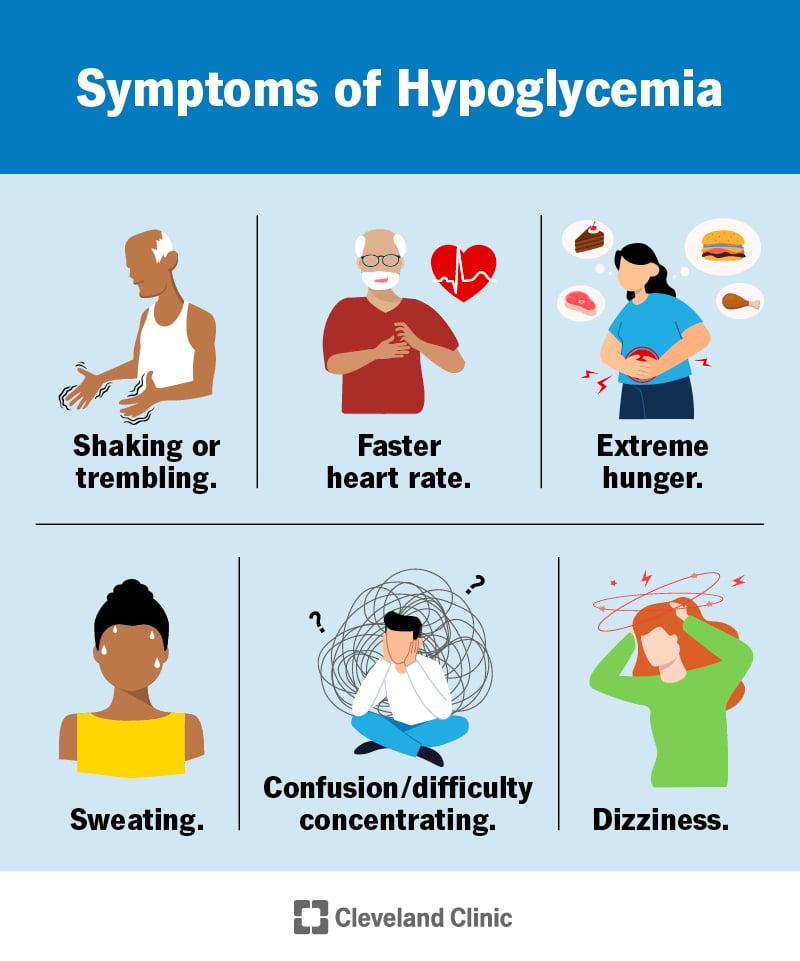
Correct Answer is ["A","B","C"]
Explanation
Choice A reason: This statement is true. The nurse should include tremors as a sign of hypoglycemia, which is a condition where the blood glucose level is too low. Tremors are involuntary shaking or trembling of the body, caused by the release of adrenaline in response to low blood glucose.
Choice B reason: This statement is true. The nurse should include diaphoresis as a sign of hypoglycemia, which is excessive sweating, caused by the activation of the sympathetic nervous system in response to low blood glucose.
Choice C reason: This statement is true. The nurse should include confusion as a sign of hypoglycemia, which is impaired mental function, caused by the lack of glucose supply to the brain.
Choice D reason: This statement is false. The nurse should not include polyuria as a sign of hypoglycemia, which is increased urination, caused by the excess glucose in the urine. Polyuria is more common with hyperglycemia, which is a condition where the blood glucose level is too high.
Choice E reason: This statement is false. The nurse should not include polydipsia as a sign of hypoglycemia, which is increased thirst, caused by the dehydration from polyuria. Polydipsia is also more common with hyperglycemia, which is a condition where the blood glucose level is too high.
Whether you are a student looking to ace your exams or a practicing nurse seeking to enhance your expertise , our nursing education contents will empower you with the confidence and competence to make a difference in the lives of patients and become a respected leader in the healthcare field.
Visit Naxlex, invest in your future and unlock endless possibilities with our unparalleled nursing education contents today