
Premature infants who exhibit 5 to 10 seconds of respiratory pauses followed by 10 to 15 seconds of compensatory rapid respiration are:.
Suffering from sleep or wakeful apnea.
Experiencing severe swings in blood pressure.
Trying to maintain a neutral thermal environment.
Breathing in a respiratory pattern common to premature infants.
The Correct Answer is D
This pattern is called periodic breathing and it is characterized by 5 to 10 seconds of respiratory pauses followed by 10 to 15 seconds of compensatory rapid respiration. It is a normal phenomenon that occurs primarily in premature infants of more than 24 hours of age. It is usually not of pathologic significance and does not require intervention.
Choice A is wrong because sleep or wakeful apnea is defined as a cessation of breathing for more than 20 seconds or less than 20 seconds with bradycardia or cyanosis.
Choice B is wrong because severe swings in blood pressure are not associated with periodic breathing, but rather with intraventricular hemorrhage or patent ductus arteriosus.
Choice C is wrong because trying to maintain a neutral thermal environment does not affect the respiratory pattern of premature infants.
Normal ranges for respiratory rate in premature infants are 40 to 60 breaths per minute. Normal ranges for oxygen saturation in premature infants are 88% to 92%.
Nursing Test Bank
Naxlex Comprehensive Predictor Exams
Related Questions
Correct Answer is C
Explanation
This is because self-monitoring of blood glucose allows children to learn how their blood sugar levels change in response to different factors such as food, exercise, stress, and medication.
It also helps them to adjust their insulin doses and dietary intake accordingly. Self-monitoring of blood glucose can improve glycemic control and reduce the risk of complications.
Choice A is wrong because it is not a less expensive method of testing.
Self-monitoring of blood glucose requires a glucose meter, test strips, lancets, and a logbook, which can be costly for some families.
Choice B is wrong because it is not less accurate than laboratory testing.
Self-monitoring of blood glucose can provide accurate and reliable results if done correctly and regularly.
Laboratory testing is usually done periodically to measure the average blood sugar level over the past 2 to 3 months (hemoglobin A1c).
Choice D is wrong because it implies that the parents are not involved in the child’s diabetes management.
Parents should still provide support and guidance to their children with diabetes, especially when they are young or newly diagnosed. Parents should also monitor their child’s blood glucose levels and help them with insulin administration if needed.
Correct Answer is D
Explanation
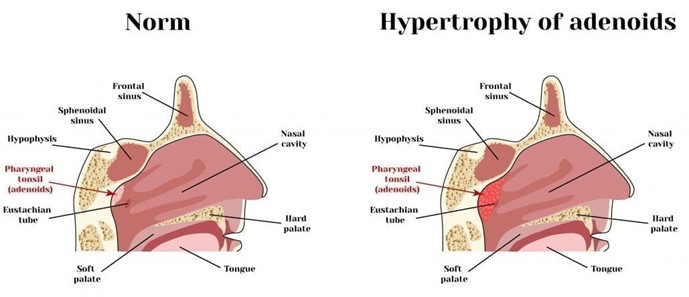
This is because toddlers continue to have the short, straight internal ear canal of infants.
The lymphoid tissue of the tonsils and adenoids continues to be relatively large. These two anatomic conditions combine to predispose the toddler to frequent infections.
Choice A is wrong because respirations are abdominal. This does not affect the susceptibility to infection.
Choice B is wrong because pulse and respiratory rates are slower than those in infancy. This also does not affect the susceptibility to infection.
Choice C is wrong because defense mechanisms are less efficient than those during
infancy. This is not true, as the defense mechanisms are more efficient compared with those of infancy.
Whether you are a student looking to ace your exams or a practicing nurse seeking to enhance your expertise , our nursing education contents will empower you with the confidence and competence to make a difference in the lives of patients and become a respected leader in the healthcare field.
Visit Naxlex, invest in your future and unlock endless possibilities with our unparalleled nursing education contents today