
The child is prescribed Acetaminophen 400mg PO q4h for 24 hours for fever. They weigh 60 pounds.
Safe dose range: Acetaminophen 10-15 mg/kg/dase PO q4-6h.
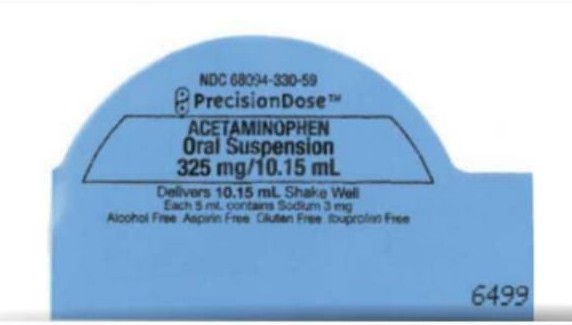
Available Concentration: 325 mg per 10.15 mLs
How many mg will the child receive in one 24-hour period? Round your answer to the nearest whole number _________mg
The Correct Answer is ["2400"]
Calculation:
Dose per administration = 400 mg.
- Calculate the number of doses in one 24-hour period.
Number of doses = Total hours / Frequency of administration
= 24 hours / 4 hours/dose
= 6 doses.
- Calculate the total milligrams (mg) the child will receive in a 24-hour period.
Total mg = Dose per administration (mg) x Number of doses
= 400 mg x 6 doses
= 2400 mg.
Nursing Test Bank
Naxlex Comprehensive Predictor Exams
Related Questions
Correct Answer is ["437"]
Explanation
Calculation:
- Identify all fluid sources and convert volumes to milliliters (mL).
Water intake: 6.5 ounces x 30 mL/ounce = 195 mL.
Pedialyte ice pop intake: 2 ounces x 30 mL/ounce = 60 mL.
Jello intake: 1/4 cup x 240 mL/cup = 60 mL.
Maintenance IV fluids: 18 mL/hour x 4 hours = 72 mL.
Ceftriaxone IV piggyback: The entire volume of the bag is counted, which is 50 mL.
- Add all the volumes together to find the total intake.
Total intake = 195 mL + 60 mL + 60 mL + 72 mL + 50 mL
= 437 mL.
Correct Answer is A
Explanation
Rationale:
A. Flutter valve device: The flutter valve device helps loosen and clear thick mucus from the lungs, which is a primary concern in cystic fibrosis. Teaching parents how to properly use this device is essential to maintain airway clearance and reduce respiratory infections.
B. Peak Flow Meter: While useful for monitoring lung function in asthma, the peak flow meter is less critical in cystic fibrosis management. It does not directly assist in clearing mucus or delivering medication.
C. Nebulizer: Nebulizers are important for delivering inhaled medications and airway clearance therapies, but initial priority is often given to devices that facilitate mucus clearance like the flutter valve.
D. Metered-dose inhaler: Metered-dose inhalers deliver bronchodilators or steroids but require coordination and proper technique, which can be challenging for some children. Education on this device is important but secondary to airway clearance tools in CF care.
Whether you are a student looking to ace your exams or a practicing nurse seeking to enhance your expertise , our nursing education contents will empower you with the confidence and competence to make a difference in the lives of patients and become a respected leader in the healthcare field.
Visit Naxlex, invest in your future and unlock endless possibilities with our unparalleled nursing education contents today