
The normal pacemaker of the heart is the:
Purkinje fibers.
AV bundle.
Sinoatrial node.
Atrioventricular node.
The Correct Answer is C
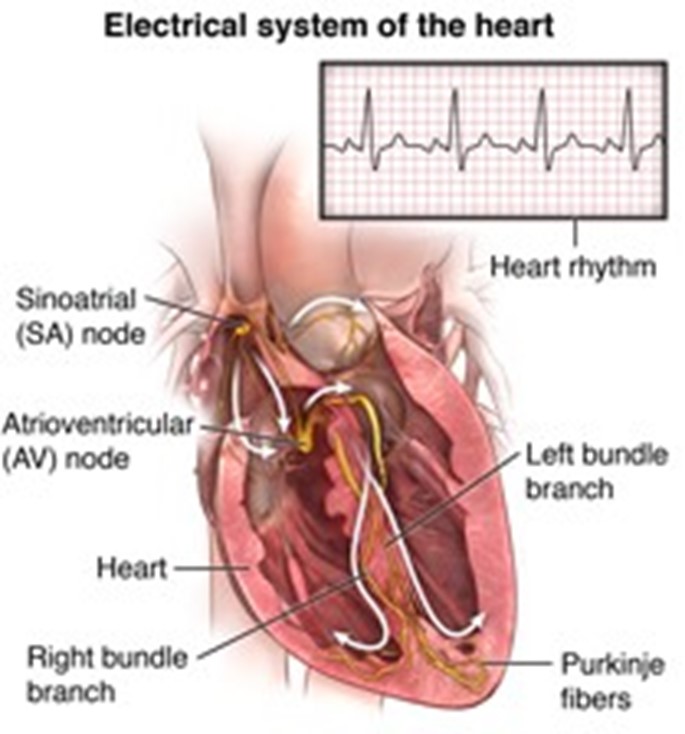
The sinoatrial (SA) node is the natural pacemaker of the heart.
It generates electrical impulses that cause the heart’s chambers to contract, setting the heart rate.
The SA node typically generates 60–100 heartbeats per minute when a person is at rest.
Choice A is wrong because Purkinje fibers are part of the electrical conduction system of the heart that carries impulses to the ventricles.
They are not the primary source of impulses.
Choice B is wrong because the AV bundle (also called bundle of His) is another part of the electrical conduction system of the heart that connects the atria and the ventricles.
It is not the natural pacemaker of the heart.
Choice D is wrong because an atrioventricular node is a relay station between the atria and the ventricles that delays the electrical impulses from the SA node.
It can act as a backup pacemaker if the SA node fails, but it is not the normal pacemaker of the heart.
Nursing Test Bank
Naxlex Comprehensive Predictor Exams
Related Questions
Correct Answer is C
Explanation
Positive feedback mechanisms move conditions away from the normal state.
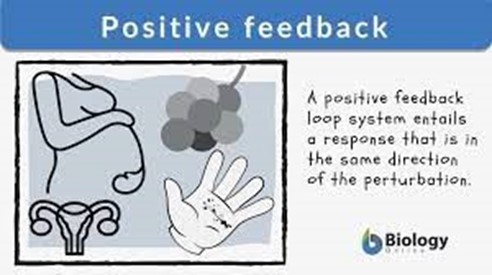
They amplify the original action and produce more of the same effect.
For example, blood clotting and childbirth are positive feedback mechanisms.
Choice A is wrong because positive feedback mechanisms usually produce unstable conditions.
They do not resist change but rather enhance it.
Choice B is wrong because positive feedback mechanisms do not cause long-term changes.
They are ultimately stopped by negative feedback loops once the process they were used for is complete.
Choice D is wrong because positive feedback mechanisms do not bring conditions back to the normal state.
That is the role of negative feedback mechanisms, which oppose the stimulus and restore homeostasis.
Correct Answer is D
Explanation
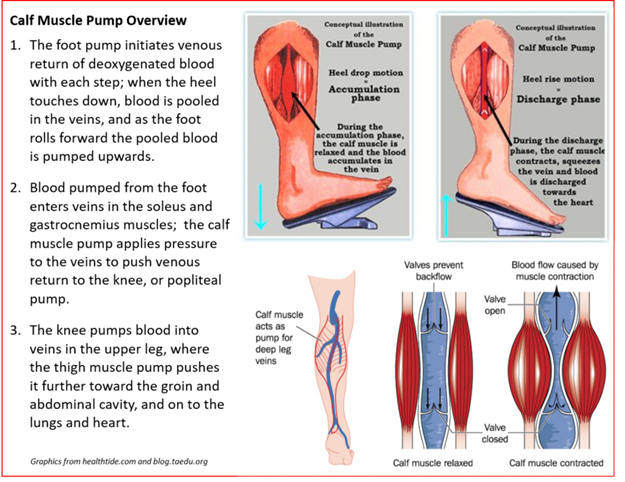
This helps prevent blood pooling and clotting in the lower extremities, which can lead to deep vein thrombosis and pulmonary embolism.
It also reduces the workload on the heart and improves blood circulation throughout the body.
Choice A is wrong because contraction of muscles does not stimulate the arteries to vasodilate, but rather causes vasoconstriction in the inactive tissues to divert blood flow to the active muscles.
Choice B is wrong because the contraction of muscles itself does not increase heart rate significantly unless it is part of an aerobic exercise that elevates the metabolic demand.
Burning calories and keeping the heart strong are benefits of regular physical activity, not occasional muscle contraction.
Choice C is wrong because contraction of the leg muscles does not stimulate baroreceptors, which are pressure-sensitive receptors located in the walls of the arteries.
Baroreceptors respond to changes in blood pressure and signal the autonomic nervous system to adjust heart rate and vascular resistance accordingly.
Contraction of the leg muscles does not affect blood pressure or heart rate directly but rather assists with venous return.
Whether you are a student looking to ace your exams or a practicing nurse seeking to enhance your expertise , our nursing education contents will empower you with the confidence and competence to make a difference in the lives of patients and become a respected leader in the healthcare field.
Visit Naxlex, invest in your future and unlock endless possibilities with our unparalleled nursing education contents today