
The nurse is caring for a patient with Addison's disease who is scheduled for discharge. When teaching the patient about hormone replacement therapy, the nurse should address what topic?
The need to match the daily steroid dose to immediate symptoms
The importance of monitoring liver function
The need for life-long steroid replacement
The possibility of extreme weight loss from use of corticosteroids
The Correct Answer is C
A. The need to match the daily steroid dose to immediate symptoms:
Explanation: Adjusting the steroid dose based on immediate symptoms is not a recommended approach. Patients should follow the prescribed regimen provided by their healthcare provider.
B. The importance of monitoring liver function:
Explanation: While monitoring liver function is important for some medications, it is not the primary focus when teaching about hormone replacement therapy in Addison's disease. The emphasis is on the need for life-long steroid replacement.
C. The need for life-long steroid replacement:
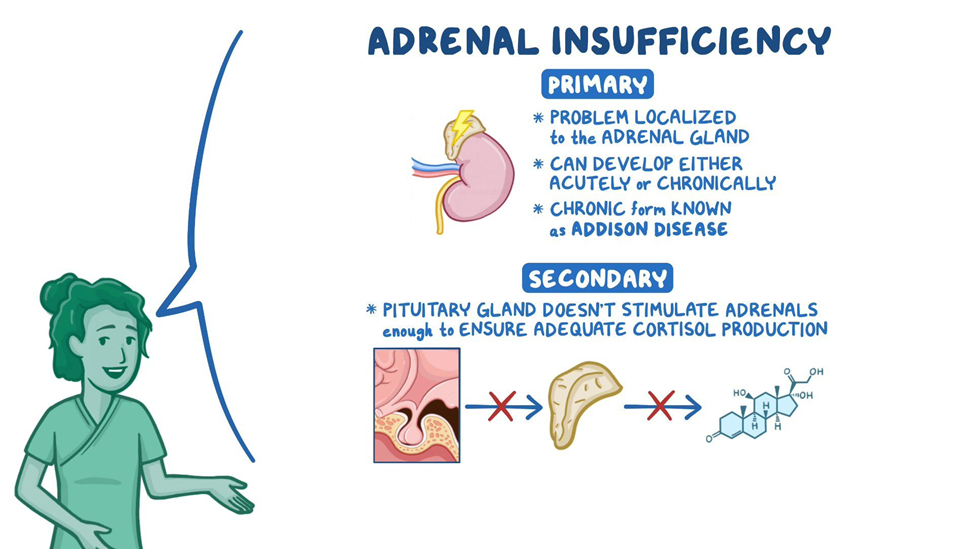
Explanation: Patients with Addison's disease require life-long steroid replacement therapy to compensate for the deficiency in adrenal hormones. It's important for the patient to understand that adherence to the prescribed steroid regimen is essential for maintaining health and preventing adrenal crisis.
D. The possibility extreme weight loss from the use of corticosteroids:
Explanation: While corticosteroids can have various side effects, extreme weight loss is not a typical or desired outcome of steroid therapy for Addison's disease. Weight changes and potential side effects should be discussed, but the emphasis should be on the importance of long-term steroid replacement.
Nursing Test Bank
Naxlex Comprehensive Predictor Exams
Related Questions
Correct Answer is A
Explanation
A. Respiratory acidosis:
This occurs when there is inadequate removal of carbon dioxide (CO2) by the respiratory system. In the case of the patient post-op from knee surgery receiving Morphine, the opioid can cause respiratory depression, leading to the retention of CO2 and the development of respiratory acidosis. Signs include a decreased respiratory rate and drowsiness.
B. Hypokalemia:
This is a condition characterized by low levels of potassium in the blood. While opioids can cause constipation, they are not directly associated with hypokalemia.
C. Metabolic acidosis:
This occurs when there is an increase in acid production or a loss of bicarbonate, leading to an imbalance in the body's acid-base status. The symptoms of metabolic acidosis are not typically associated with opioid use.
D. Respiratory alkalosis:
This occurs when there is excessive elimination of CO2, leading to decreased carbon dioxide levels in the blood. Opioids, especially in higher doses, are more likely to cause respiratory depression and acidosis rather than alkalosis. The patient's low respiratory rate and drowsiness are indicative of respiratory acidosis rather than alkalosis.
Correct Answer is C
Explanation
A. "I will make sure I call the diabetes educator each time I adjust my insulin dose."
This statement suggests a reliance on insulin adjustment and implies frequent contact with the diabetes educator. However, it doesn't address the primary treatment for type 2 diabetes.
B. "I read that a pancreas transplant will provide a cure for my diabetes."
This statement mentions a pancreas transplant, which is a significant and rare intervention typically reserved for severe cases of diabetes. However, it's not considered the primary treatment for type 2 diabetes.
C. "I will make sure to follow the weight loss plan designed by the dietitian."
This statement aligns with a key aspect of managing type 2 diabetes, as weight management, along with diet and exercise, is a primary approach. Lifestyle modifications, including weight loss, are often part of the primary treatment plan.
D. "I will take my oral anti-diabetic agents when my morning blood sugar is high."
This statement indicates an understanding of the importance of oral anti-diabetic agents, which are commonly used in the management of type 2 diabetes. Timing medication based on blood sugar levels is a key aspect of treatment.
Whether you are a student looking to ace your exams or a practicing nurse seeking to enhance your expertise , our nursing education contents will empower you with the confidence and competence to make a difference in the lives of patients and become a respected leader in the healthcare field.
Visit Naxlex, invest in your future and unlock endless possibilities with our unparalleled nursing education contents today