
The nurse provides a parent with instructions on how to perform the scotch tape test to collect a specimen for ova and parasites in the perineal region of a child suspected of having pinworms. Which action by the parent indicates the test was done at the correct time?
The parent collects the specimen when the child reports itching.
The parent collects the specimen in the evening before the child goes to bed.
The parent collects the specimen after the child has had a bowel movement.
The parent collects the specimen in the morning when the child awakens.
The Correct Answer is D
Choice A rationale:
The statement "The parent collects the specimen when the child reports itching”. is incorrect. The scotch tape test for pinworms involves placing clear tape on the perianal area in the morning to collect eggs that may have been laid during the night, not based on itching.
Choice B rationale:
The statement "The parent collects the specimen in the evening before the child goes to bed”. is incorrect. The test is most effective in the morning when the child wakes up, as this is when pinworms are most active and lay their eggs.
Choice C rationale:
The statement "The parent collects the specimen after the child has had a bowel movement”. is incorrect. The test doesn't involve collecting a specimen after a bowel movement but rather in the morning using transparent tape to catch pinworm eggs.
Choice D rationale:
The statement "The parent collects the specimen in the morning when the child awakens”. is correct. This is the correct time for the scotch tape test, as it maximizes the chance of detecting pinworm eggs laid during the night.
Nursing Test Bank
Naxlex Comprehensive Predictor Exams
Related Questions
Correct Answer is D
Explanation
The correct answer is choice d. Places the child in a prone position after feeding.
Choice A rationale:
Holding the child’s head in an upright position during feeding is appropriate as it helps prevent aspiration and ensures proper swallowing.
Choice B rationale:
Placing the tip of the syringe in the side of the child’s mouth is correct because it helps direct the formula to the back of the mouth, reducing the risk of choking.
Choice C rationale:
Burping the child frequently during the feeding is necessary to release any swallowed air, which can help prevent discomfort and spitting up.
Choice D rationale:
Placing the child in a prone position after feeding is incorrect and indicates a need for further instructions. After feeding, the child should be placed in an upright or slightly elevated position to prevent aspiration and reduce the risk of gastroesophageal reflux.
Correct Answer is D
Explanation
Choice D rationale:
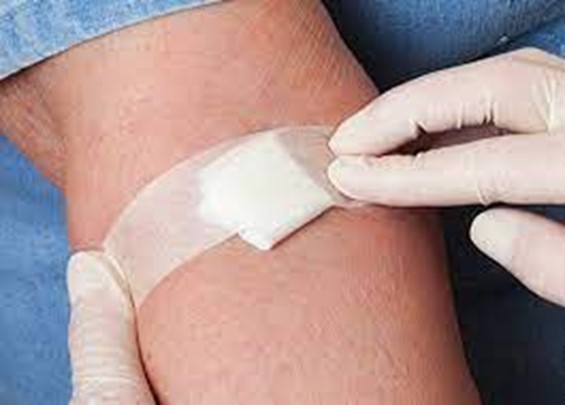
Preschool-aged children may fear pain and bleeding, and applying a small dressing after venipuncture helps alleviate anxiety. It provides a sense of control and comfort, as the child perceives their active participation in caring for the site.
Choice A rationale:
Showing the needle and syringe might intensify anxiety in the child, making venipuncture more distressing. It's important to minimize any distress during the procedure.
Choice B rationale:
Allowing the child to help cleanse the site could lead to more anxiety as the child might interpret it as their own responsibility for the procedure.
Choice C rationale:
Encouraging the child to show the site to adults may not be reassuring for the child and could potentially exacerbate their apprehension.
Whether you are a student looking to ace your exams or a practicing nurse seeking to enhance your expertise , our nursing education contents will empower you with the confidence and competence to make a difference in the lives of patients and become a respected leader in the healthcare field.
Visit Naxlex, invest in your future and unlock endless possibilities with our unparalleled nursing education contents today