
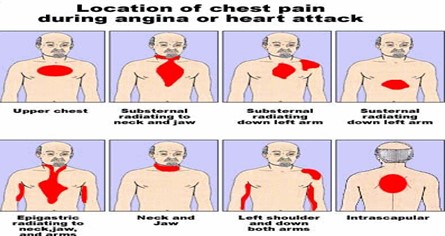
The patient complains of chest pains that move down her left arm. The nurse will document this as:
Phantom pain.
Radiating pain.
Referred pain.
Somatic pain.
The Correct Answer is B
The nurse will document the patient's chest pains that move down her left arm as radiating pain. Radiating pain is a type of pain that starts at a specific point and spreads outwards to other areas of the body. In this case, the pain starts in the chest and moves down the left arm, which is a common symptom of cardiac or heart-related issues. Phantom pain is a type of pain that is perceived to be present in a body part that has been amputated or lost. Referred pain is pain that is felt in a different part of the body from where the actual problem is located. Somatic pain is pain that arises from the skin, muscles, bones, or connective tissues.
Nursing Test Bank
Naxlex Comprehensive Predictor Exams
Related Questions
Correct Answer is D
Explanation
Nurses are mandated reporters, meaning they are legally required to report any suspected or confirmed cases of child, elder, or vulnerable adult abuse or neglect to the appropriate authorities, such as child protective services or adult protective services. This duty applies regardless of whether the abuse or neglect was disclosed by the victim or observed by the nurse.
While nurses may choose to involve family members or refer the individual to social services, these actions do not replace the legal obligation to report abuse or neglect. Failure to report can result in legal and professional consequences for the nurse.
Correct Answer is C
Explanation
Pain threshold refers to the point at which a person first feels pain or discomfort. It can vary depending on factors such as genetics, age, gender, and overall health.
Whether you are a student looking to ace your exams or a practicing nurse seeking to enhance your expertise , our nursing education contents will empower you with the confidence and competence to make a difference in the lives of patients and become a respected leader in the healthcare field.
Visit Naxlex, invest in your future and unlock endless possibilities with our unparalleled nursing education contents today