
The practical nurse (PN) is administering a subcutaneous injection of epoetin to a client with chronic kidney disease (CKD). This medication is being administered to treat which manifestation of chronic kidney disease (CKD)?
Anemia.
Edema.
Hypertension.
Anuria.
The Correct Answer is A
A. Anemia: Epoetin is a synthetic form of erythropoietin, which stimulates red blood cell production. In CKD, the kidneys produce insufficient erythropoietin, leading to anemia. Administering epoetin addresses this common complication.
B. Edema: Edema in CKD results from fluid retention due to impaired kidney function. Epoetin does not treat fluid overload; diuretics and fluid management are used for edema.
C. Hypertension: CKD-related hypertension is managed with antihypertensive medications. Epoetin may actually increase blood pressure as a side effect but does not treat hypertension.
D. Anuria: Anuria, or absence of urine output, reflects severe kidney dysfunction. Epoetin does not restore urine production; renal replacement therapy may be needed for anuria.
Nursing Test Bank
Naxlex Comprehensive Predictor Exams
Related Questions
Correct Answer is B
Explanation
A. Feed the infant when he cries: Crying increases oxygen demand and energy expenditure, which can be risky for an infant with heart failure. Feeding during distress may exacerbate fatigue and respiratory compromise.
B. Allow infant to rest before feeding: Allowing the infant to rest conserves energy and reduces cardiac workload. Adequate rest before feeding helps the infant tolerate oral intake without becoming fatigued, supporting better nutritional intake and growth.
C. Weigh before and after feeding: While weighing can help assess intake, it is not a primary intervention for managing feeding in an infant with heart failure. The focus should first be on energy conservation and safe feeding practices.
D. Insert a nasogastric feeding tube: NG tube feeding is reserved for infants unable to take sufficient oral intake safely. If the infant can feed orally with appropriate rest, NG feeding is unnecessary and more invasive.
Correct Answer is "{\"xRanges\":[54.246018005540165,56.462084487534625],\"yRanges\":[47.52851711026616,50.57034220532319]}"
Explanation
Point A
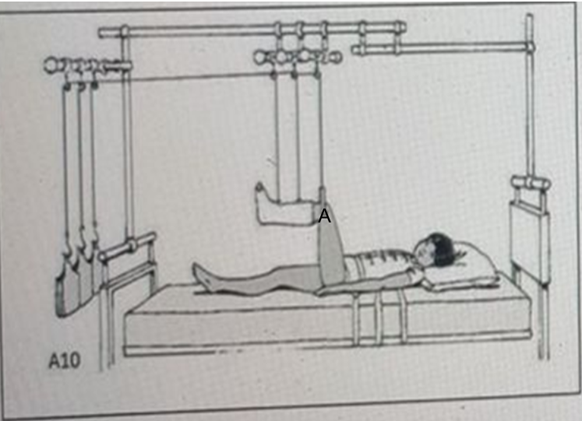
Rationale:
Pins penetrate the skin and bone, creating a pathway for bacteria. If not monitored, this can lead to local infection or progress to osteomyelitis. Early signs of complication include redness, swelling, warmth, drainage, or pain at the pin site may indicate inflammation or infection. Catching these early prevents systemic spread. Children are especially vulnerable to skin breakdown. Regular assessment helps maintain skin integrity and supports healing. Infection or loosening at the pin site can compromise the stability of the traction, reducing its therapeutic effectiveness.
Whether you are a student looking to ace your exams or a practicing nurse seeking to enhance your expertise , our nursing education contents will empower you with the confidence and competence to make a difference in the lives of patients and become a respected leader in the healthcare field.
Visit Naxlex, invest in your future and unlock endless possibilities with our unparalleled nursing education contents today