
The practical nurse (PN) is caring for a client whose urine drug screen is positive for cocaine. Which behavior is most likely seen in this client?
Elevated energy level
Powerful craving for more
High self-esteem
Euphoria
The Correct Answer is A
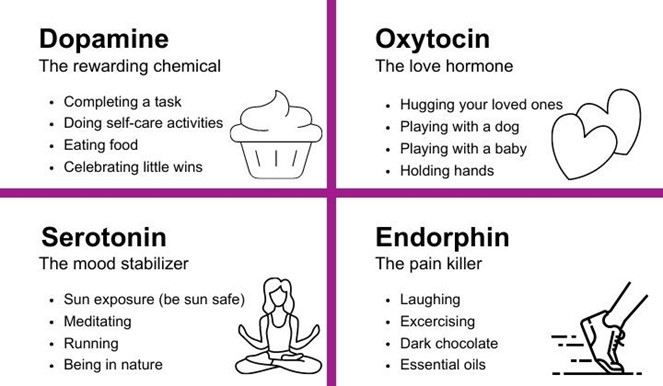
- Cocaine is a powerfully addictive stimulant drug that increases the levels of dopamine in the brain, which is a chemical messenger related to movement, pleasure, and motivation.
- Cocaine's effects appear almost immediately and last for a few minutes to an hour, depending on the method of use. Some of the short-term effects of cocaine include extreme happiness and energy, mental alertness, hypersensitivity to sight, sound, and touch, and irritability.
- An elevated energy level is one of the most common and noticeable effects of cocaine use, as cocaine stimulates the central nervous system and makes the user feel more alert, active, and confident¹². This effect may also lead to increased physical activity, talkativeness, or aggression.
Therefore, option A is the correct answer, while options B, C, and D are incorrect.
Option B is incorrect because a powerful craving for more cocaine is not a behavior that can be observed by others, but rather an internal feeling that the user may experience due to the addictive nature of the drug.
Option C is incorrect because high self-esteem is not a typical effect of cocaine use, as cocaine may cause paranoia or anxiety in some users.
Option D is incorrect because euphoria is not a behavior that can be observed by others, but rather an emotional state that the user may feel due to the increased dopamine levels in the brain
Nursing Test Bank
Naxlex Comprehensive Predictor Exams
Related Questions
Correct Answer is A
Explanation
Choice A reason:
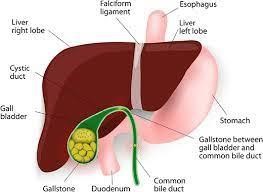
Acetaminophen is a safer choice for pain relief in clients with cholelithiasis because it does not have significant effects on the gallbladder or biliary system. It can provide effective pain relief without exacerbating the underlying condition.
Choice B reason:
Omeprazole Omeprazole should not administer because it is a proton pump inhibitor (PPI) used to reduce stomach acid production and treat conditions such as gastroesophageal reflux disease (GERD) and peptic ulcers. It is not indicated for the treatment of pain and discomfort associated with cholelithiasis.
Choice C reason
Should not be administered
Metoclopramide Metoclopramide should not be administered because it is a medication used to treat gastrointestinal issues such as nausea, vomiting, and gastroparesis. It is not indicated for the treatment of pain associated with cholelithiasis.
Choice D reason:
Ketorolac Ketorolac should not be administered because it is an NSAID used for moderate to severe pain. However, it should be avoided in clients with cholelithiasis due to its potential adverse effects on the gallbladder and biliary system.
Correct Answer is {"dropdown-group-1":"D","dropdown-group-2":"D"}
Explanation
Whether you are a student looking to ace your exams or a practicing nurse seeking to enhance your expertise , our nursing education contents will empower you with the confidence and competence to make a difference in the lives of patients and become a respected leader in the healthcare field.
Visit Naxlex, invest in your future and unlock endless possibilities with our unparalleled nursing education contents today