
The practical nurse (PN) is reviewing a client's recent ophthalmic screening test results. Findings of optic neuropathy, loss of peripheral vision, and increased intraocular pressure are consistent with which medical condition?
Glaucoma
Macular edema.
Cataract
Diabetic retinopathy
The Correct Answer is A
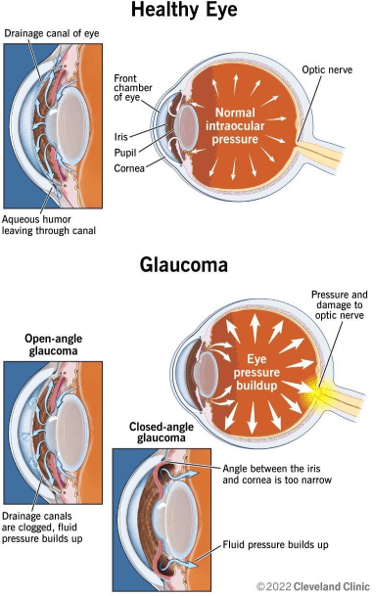
Glaucoma is a group of eye diseases that damage the optic nerve and cause vision loss. It is often associated with increased intraocular pressure, which can compress the nerve fibers and reduce blood flow to the retina. The most common type of glaucoma, open-angle glaucoma, causes gradual loss of peripheral vision.
The other options are not correct because:
- Macular edema is a condition that causes swelling and fluid accumulation in the macula, the central part of the retina that is responsible for sharp and detailed vision. It can cause blurred or distorted vision, but it does not affect the optic nerve or the peripheral vision.
- Cataract is a condition that causes clouding of the lens, which is the transparent structure that focuses light onto the retina. It can cause blurred, dim, or yellowed vision, but it does not affect the optic nerve or the intraocular pressure.
- Diabetic retinopathy is a complication of diabetes that damages the blood vessels in the retina and causes bleeding, leakage, or scarring. It can cause blurred, fluctuating, or darkened vision, but it does not affect the optic nerve or the intraocular pressure.
Nursing Test Bank
Naxlex Comprehensive Predictor Exams
Related Questions
Correct Answer is A
Explanation
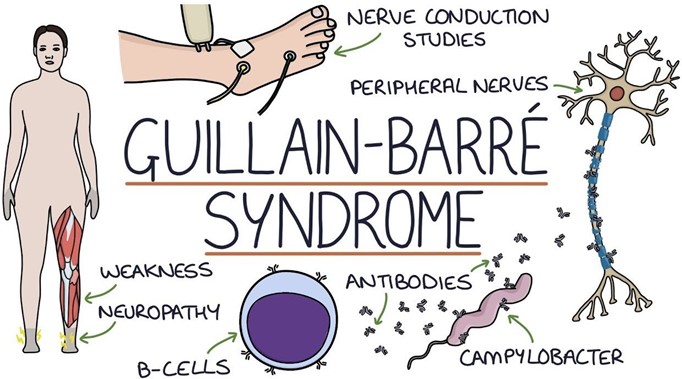
This is the finding that the PN should report to the charge nurse because it indicates a possible complication of Guillain-Barre syndrome, which is autonomic dysfunction. This can affect the cardiac, respiratory, and gastrointestinal systems and cause life-threatening problems such as arrhythmias, hypotension, or respiratory failure. The PN should monitor the client's vital signs closely and report any abnormal changes.
B. Profuse diaphoresis is not a priority finding and may be related to other factors such as fever, anxiety, or medication side effects.
C. Lower leg weakness is an expected finding in Guillain-Barre syndrome and does not need to be reported unless it progresses rapidly or affects the respiratory muscles.
D. Full facial flushing is not a priority finding and may be related to other factors such as vasodilation, inflammation, or medication side effects.
Correct Answer is C
Explanation
Instruct the UAP to lower the bed for safety.
This is the best action for the PN to take because it ensures the client's safety and prevents potential falls or injuries. The PN should also educate the UAP on the importance of lowering the bed when providing care to a bedfast client.
A. Assuming care of the client immediately is not necessary and may undermine the UAP's confidence and competence.
B. Remaining in the room to supervise the UAP is not appropriate and may interfere with the client's privacy and dignity.
D. Determining if the UAP would like assistance is not a priority and may not address the safety issue.
Whether you are a student looking to ace your exams or a practicing nurse seeking to enhance your expertise , our nursing education contents will empower you with the confidence and competence to make a difference in the lives of patients and become a respected leader in the healthcare field.
Visit Naxlex, invest in your future and unlock endless possibilities with our unparalleled nursing education contents today