
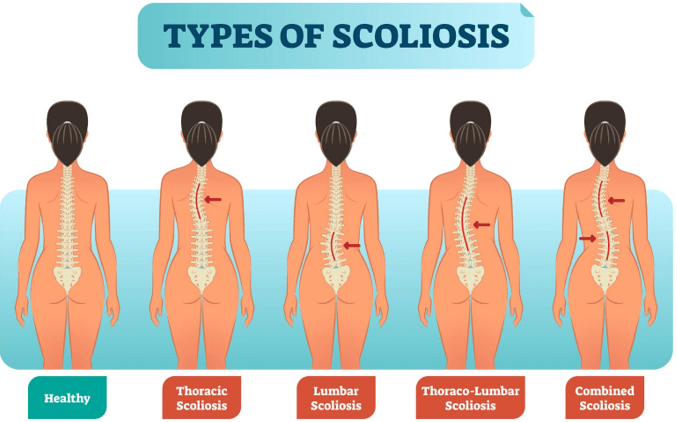
The practical nurse (PN) plans to screen only high risk children for scoliosis. Which group of children should the PN screen?
High school boys.
High school girls.
Middle school boys.
Middle school girls.
The Correct Answer is D
This is the group of children that the PN should screen for scoliosis because they are at the highest risk of developing this condition. Scoliosis is a lateral curvature of the spine that usually occurs during the growth spurt before puberty. Girls are more likely than boys to have scoliosis, and the condition tends to worsen during adolescence.
Nursing Test Bank
Naxlex Comprehensive Predictor Exams
Related Questions
Correct Answer is B
Explanation
A) Incorrect- While bedtime monitoring is important, the frequency described in this choice is not consistent with FSBG monitoring before meals.
B) Correct- Performing FSBG monitoring before each meal helps the client track her blood glucose levels before consuming food, allowing her to adjust her diet or insulin regimen if necessary.
C) Incorrect- Monitoring every two hours may be excessive and not necessary for managing gestational diabetes.
D) Incorrect- Monitoring during the night is important for glycemic control, but it doesn't specifically address the need to monitor before meals.
Correct Answer is B
Explanation
A) Incorrect - The APTT value being two times the control value indicates that the client's anticoagulation is within the therapeutic range. There is no need to increase the warfarin dose.
B) Correct - With the APTT value within the target range and the PT and INR values also normal, the nurse should continue the same dose of warfarin and withhold the heparin.
C) Incorrect - Decreasing the heparin dose is not indicated, as the client's APTT is already within the therapeutic range.
D) Incorrect - Increasing the heparin dose and decreasing the warfarin dose is not necessary, as the client's anticoagulation levels are appropriate.
Whether you are a student looking to ace your exams or a practicing nurse seeking to enhance your expertise , our nursing education contents will empower you with the confidence and competence to make a difference in the lives of patients and become a respected leader in the healthcare field.
Visit Naxlex, invest in your future and unlock endless possibilities with our unparalleled nursing education contents today