
What occurs when the sympathetic nervous system is stimulated?
Uterine activity
Cardiac output
Pancreatic activity
Gastrointestinal activity
The Correct Answer is B
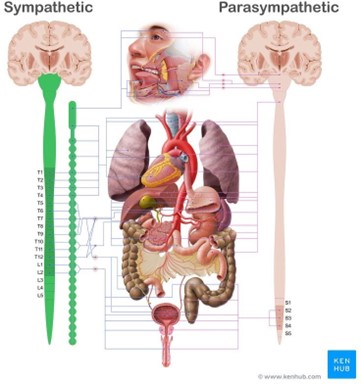
When the sympathetic nervous system is stimulated, it activates the "fight or flight" response, which prepares the body for physical activity or stressful situations. This response includes several physiological changes, such as:
Increased heart rate and cardiac output: The sympathetic nervous system releases adrenaline and noradrenaline, which increase heart rate and cardiac output to provide more oxygen and nutrients to the muscles.
Decreased uterine activity: The sympathetic nervous system inhibits uterine contractions to prevent
premature labor.
Decreased pancreatic activity: The sympathetic nervous system inhibits insulin secretion and promotes glucagon secretion to increase blood glucose levels.
Decreased gastrointestinal activity: The sympathetic nervous system inhibits digestive functions to divert blood flow to the muscles.
Nursing Test Bank
Naxlex Comprehensive Predictor Exams
Related Questions
Correct Answer is A
Explanation
DNA is a double-stranded macromolecule made up of nucleotides that carry genetic information. The sequence of nucleotides in DNA determines the genetic code, which controls the development and function of living organisms. Chromosomes are structures made up of DNA and proteins that carry genes. Nucleotides are the building blocks of DNA and RNA. RNA, on the other hand, is a single-stranded macromolecule that plays a key role in protein synthesis by carrying genetic information from DNA to ribosomes.
Correct Answer is C
Explanation
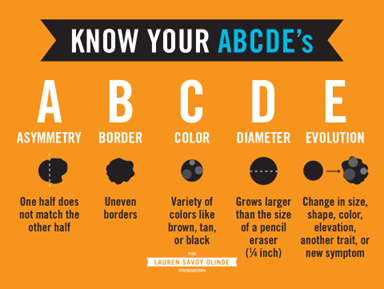
The ABCD rule is a mnemonic used to identify the characteristics of melanoma, which is a type of skin cancer. The leters stand for:
A -Asymmetry: One half of the mole or lesion does not match the other half.
B - Border irregularity: The edges are ragged, notched, or blurred.
C - Color: The color is not uniform and may include different shades of brown or black, or sometimes patches of pink, red, white, or blue.
D - Diameter: The size of the mole or lesion is greater than 6 mm (about the size of a pencil eraser), although melanomas can sometimes be smaller.
This rule is not as useful in detecting other types of skin cancer, such as squamous cell carcinoma, basal cell carcinoma, or sarcoma, as they tend to have different characteristics. However, any new or changing mole or lesion on the skin should be examined by a dermatologist to determine if it is cancerous.
Whether you are a student looking to ace your exams or a practicing nurse seeking to enhance your expertise , our nursing education contents will empower you with the confidence and competence to make a difference in the lives of patients and become a respected leader in the healthcare field.
Visit Naxlex, invest in your future and unlock endless possibilities with our unparalleled nursing education contents today