
Which is a risk factor associated with hernias?
History of stroke
Hypertension
Obesity
Anemia
The Correct Answer is C
A. History of stroke: While a stroke can cause muscle weakness, it is not a direct primary risk factor for the development of an abdominal or inguinal hernia.
B. Hypertension: High blood pressure affects the cardiovascular system but does not increase the intra-abdominal pressure or weaken the abdominal wall in a way that causes a hernia.
C. Obesity: Obesity increases chronic intra-abdominal pressure, which puts constant strain on the abdominal wall. Over time, this pressure can cause a protrusion of an organ or tissue through a weak spot in the muscle.
D. Anemia: Anemia is a blood disorder involving low hemoglobin or red blood cells; it has no physiological link to the mechanical failure of the abdominal wall.
Nursing Test Bank
Naxlex Comprehensive Predictor Exams
Related Questions
Correct Answer is D
Explanation
A. Hiatal hernia: This typically presents with substernal (chest) pain or "heartburn" when lying down, but it does not specifically localize to the URQ or radiate to the right shoulder.
B. Peptic ulcers: Pain from ulcers is usually located in the epigastric region (upper middle) and is often described as a burning sensation related to eating, rather than URQ pain radiating to the shoulder.
C. Crohn disease: This is an inflammatory bowel disease usually affecting the lower right quadrant (ileum) or the colon, presenting with diarrhea and cramping rather than upper quadrant radiating pain.
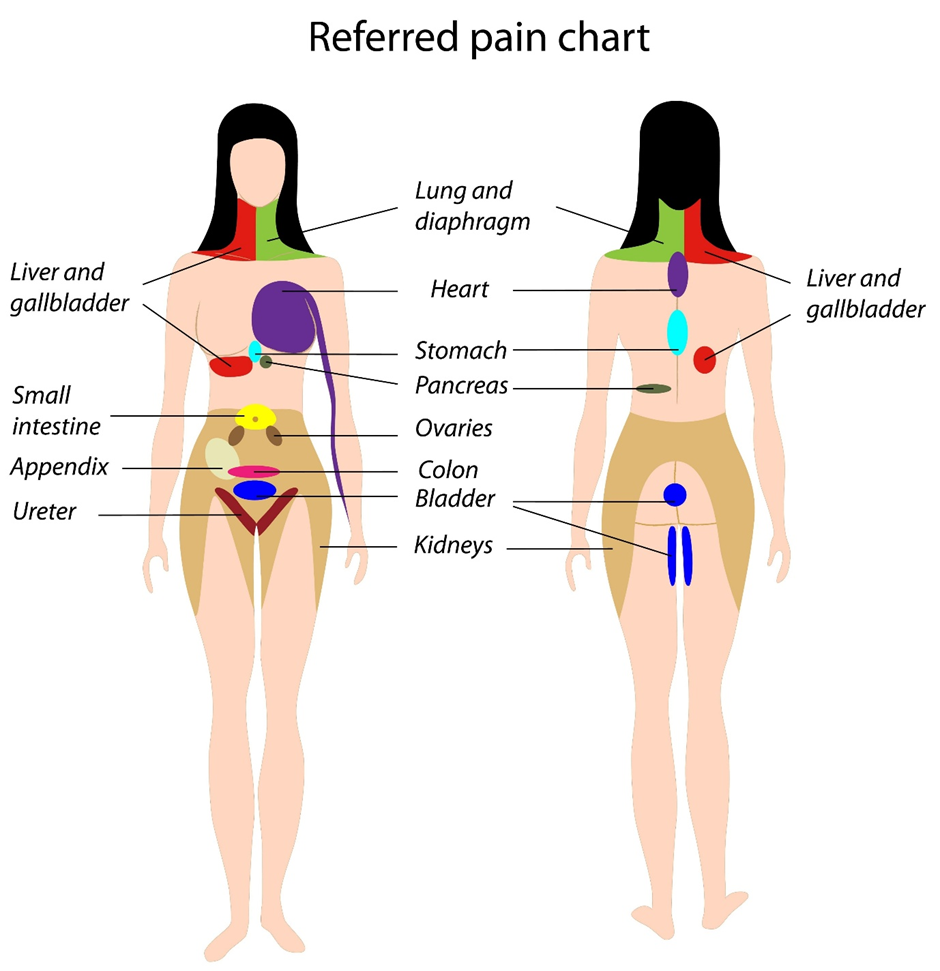
D. Cholelithiasis: Gallstones (cholelithiasis) typically cause pain in the Upper Right Quadrant. This pain often radiates to the right scapula (shoulder blade) or back-a phenomenon known as referred pain-and is commonly accompanied by nausea and vomiting.
Correct Answer is A
Explanation
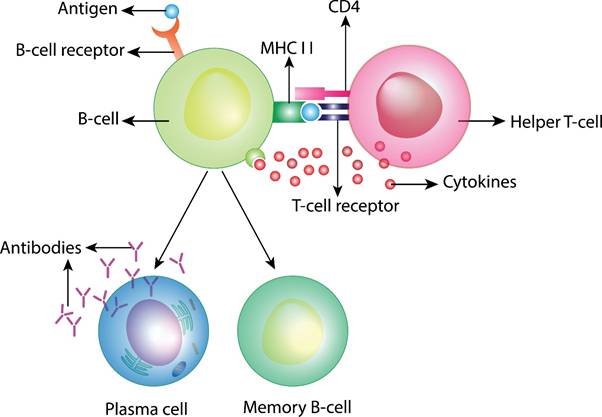
A. A type of white blood cell that makes antibodies: This is the primary function of B cells (B lymphocytes). Once activated, they differentiate into plasma cells that secrete antibodies to neutralize specific pathogens.
B. A type of cell that makes hormones and enzymes: This describes endocrine cells (for hormones) or various exocrine/digestive cells (for enzymes), not immune cells.
C. Cells that release histamine during the inflammatory response: This describes mast cells and basophils, which trigger allergic and inflammatory reactions.
D. Cells that eat pathogens and destroy them: This describes phagocytes, such as Macrophages and Neutrophils, which "eat" (engulf) cellular debris and bacteria.
Whether you are a student looking to ace your exams or a practicing nurse seeking to enhance your expertise , our nursing education contents will empower you with the confidence and competence to make a difference in the lives of patients and become a respected leader in the healthcare field.
Visit Naxlex, invest in your future and unlock endless possibilities with our unparalleled nursing education contents today