
Which condition is a result of the local dilation of a blood vessel due to weakening of its walls?
Sclerosis
Thrombus
Embolus
Aneurysm
The Correct Answer is D
A. Sclerosis. Sclerosis means "hardening" (as in atherosclerosis), which involves stiffening rather than dilation/bulging.
B. Thrombus. A thrombus is a stationary blood clot attached to the vessel wall.
C. Embolus. An embolus is a moving mass (like a clot or air bubble) in the bloodstream.
D. Aneurysm. An aneurysm is a localized, balloon-like bulge or dilation of a blood vessel caused by a weakened arterial wall.
Nursing Test Bank
Naxlex Comprehensive Predictor Exams
Related Questions
Correct Answer is D
Explanation
A. Type 2 DM (T2DM) is caused by family history, behavior, and other factors. This describes a multifactorial disease, not a chromosomal alteration. T2DM involves complex interactions between multiple genes and lifestyle.
B. Y chromosome as hemophilia is associated with the X chromosome. This is a confusingly worded statement, but Hemophilia is an X-linked recessive disorder, not a chromosomal alteration (which involves changes in the number or structure of chromosomes).
C. Hypertension is always linked to the Y chromosome and environmental factors. Hypertension is multifactorial and not linked specifically to the Y chromosome.
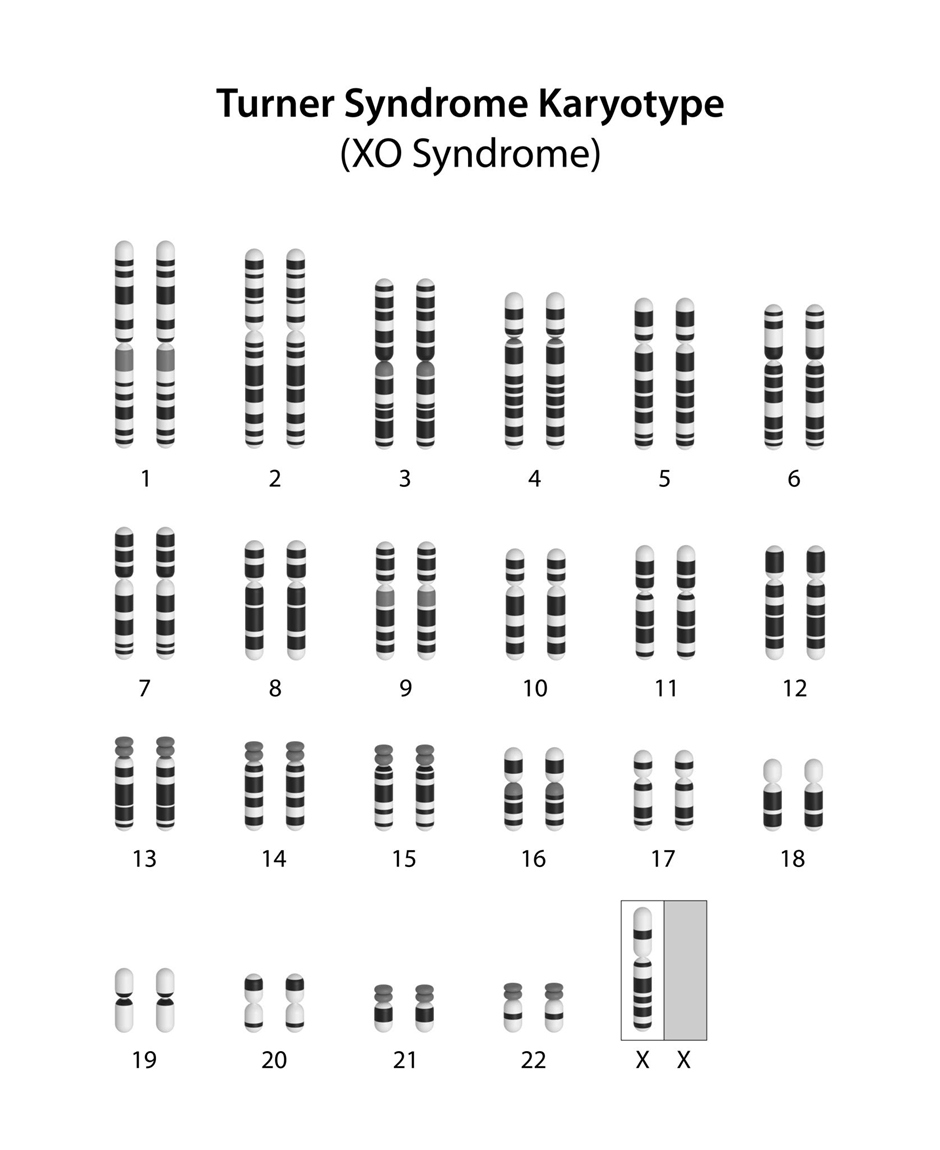
D. Turner's syndrome is a disorder in which a female has a completely or partially missing X chromosome. This is a classic example of monosomy (a chromosomal alteration). Instead of the usual 46,XX, individuals with Turner syndrome have a 45,X karyotype.
Correct Answer is D
Explanation
A. Decreased coagulability. This would make blood less likely to clot (increasing bleeding risk). Thrombus formation requires increased coagulability.
B. Intact endothelium. An intact, smooth vessel lining prevents clots. Damage to the endothelium is what triggers the clotting cascade.
C. Decreased red blood cells. Anemia does not directly cause thrombus formation; however, an increase in RBCs (polycythemia) would increase risk due to viscosity.
D. Stasis of blood flow. Part of Virchow’s Triad, stasis (sluggish blood flow) allows clotting factors to accumulate and platelets to come into contact with the vessel wall, leading to a clot.
Whether you are a student looking to ace your exams or a practicing nurse seeking to enhance your expertise , our nursing education contents will empower you with the confidence and competence to make a difference in the lives of patients and become a respected leader in the healthcare field.
Visit Naxlex, invest in your future and unlock endless possibilities with our unparalleled nursing education contents today