
Which of the following is true of total body water?
Overweight people have lower water content per kilogram of body weight than slender people.
Women have higher water content than men.
Elderly people have higher water content than younger people.
Total body water ranges between 30% and 40% of the total body weight.
The Correct Answer is A
A. Overweight people have lower water content per kilogram of body weight than slender people: Adipose (fat) tissue contains significantly less water than muscle tissue. Therefore, a higher body fat percentage results in a lower total body water percentage.
B. Women have higher water content than men: Women generally have more subcutaneous fat than men, giving them a lower water percentage.
C. Elderly people have higher water content than younger people: Total body water typically decreases as people age.
D. Total body water ranges between 30% and 40% of the total body weight: The average adult body is actually 50%–60% water.
Nursing Test Bank
Naxlex Comprehensive Predictor Exams
Related Questions
Correct Answer is C
Explanation
A. prostate gland: The prostate secretes a slightly acidic, milky fluid that helps with sperm motility but does not provide the primary sugar source.
B. bulbourethral gland: Also known as Cowper glands, these secrete an alkaline mucus to neutralize urine acidity in the urethra.
C. seminal vesicle: These glands contribute about 60% of semen volume, including fructose to provide ATP energy for sperm "swimming."
D. Cowper gland: These secrete an alkaline mucus to neutralize urine acidity in the urethra.
Correct Answer is A
Explanation
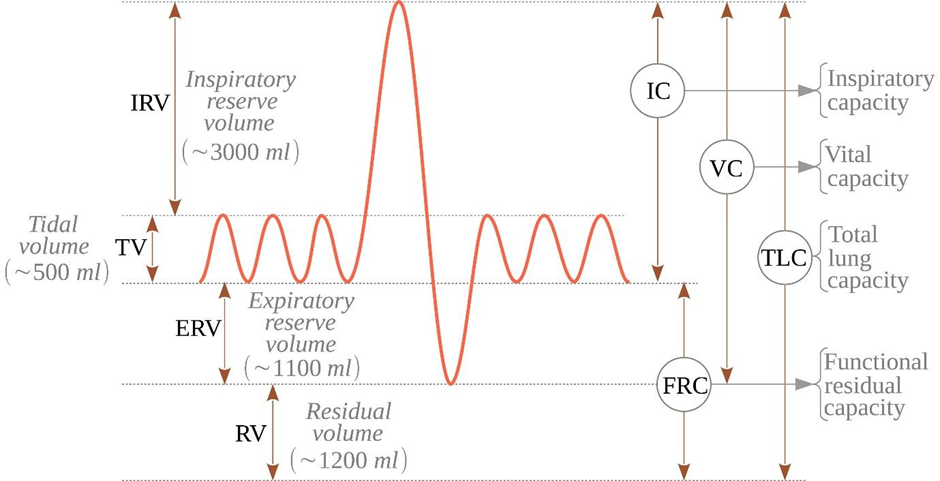
A. Residual volume and vital capacity: Total Lung Capacity (TLC) is the sum of every bit of air the lungs can hold. Vital capacity is the maximum air you can move, and residual volume is what remains after you exhale as hard as possible.
B. Tidal volume, inspiratory reserve volume, and expiratory reserve volume: This sum equals the vital capacity, but it misses the residual volume.
C. Residual volume and tidal volume: This is only a small portion of the total capacity.
D. Vital capacity and tidal volume: This is redundant, as tidal volume is already included within the calculation of vital capacity.
Whether you are a student looking to ace your exams or a practicing nurse seeking to enhance your expertise , our nursing education contents will empower you with the confidence and competence to make a difference in the lives of patients and become a respected leader in the healthcare field.
Visit Naxlex, invest in your future and unlock endless possibilities with our unparalleled nursing education contents today