
The intestinal hormone cholecystokinin:
causes the pancreas to increase exocrine secretions high in enzyme content.
opposes the influence of gastrin on gastric parietal cells.
stimulates the contraction of the gallbladder.
does all of the above.
The Correct Answer is D
A. Causes the pancreas to increase exocrine secretions high in enzyme content: CCK stimulates pancreatic acinar cells to release digestive enzymes.
B. Opposes the influence of gastrin on gastric parietal cells: CCK helps inhibit gastric emptying and acid secretion to allow the small intestine time to process fats.
C. Stimulates the contraction of the gallbladder: This is the most well-known function, which pushes bile into the duodenum to emulsify fats.
D. Does all of the above: All three statements accurately describe the multi-faceted role of CCK in digestion.
Nursing Test Bank
Naxlex Comprehensive Predictor Exams
Related Questions
Correct Answer is C
Explanation
A. is a single strand of nucleotides: DNA is double-stranded. RNA is typically single-stranded.
B. contains the sugar ribose: DNA contains deoxyribose. Ribose is found in RNA.
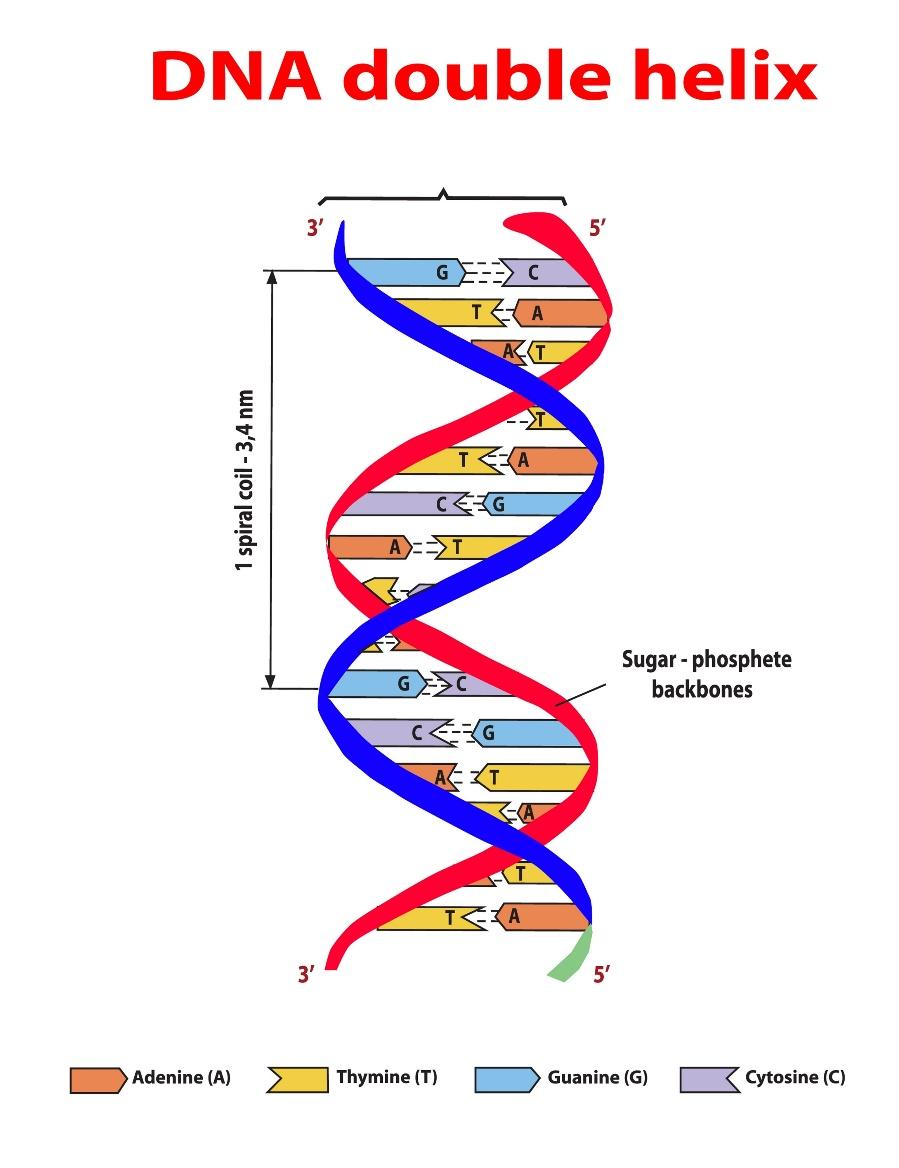
C. is a double-helix strand of nucleotides: The molecular structure of DNA consists of two complementary strands that twist into a double-helix.
D. transports amino acids during protein synthesis: That is the specific function of transfer RNA (tRNA).
Correct Answer is A
Explanation
A. glycerol and fatty acids: While most nutrients go into the blood, large fat molecules (lipids) are absorbed into specialized lymph capillaries called lacteals in the small intestine.
B. glucose and glycerol: Glucose is water-soluble and is absorbed directly into the blood capillaries, not the lymph.
C. amino acids and fatty acids: Amino acids are water-soluble and enter the bloodstream directly.
D. glucose and amino acids: Both of these are absorbed via the hepatic portal system into the blood.
Whether you are a student looking to ace your exams or a practicing nurse seeking to enhance your expertise , our nursing education contents will empower you with the confidence and competence to make a difference in the lives of patients and become a respected leader in the healthcare field.
Visit Naxlex, invest in your future and unlock endless possibilities with our unparalleled nursing education contents today