
Which of the following layers of epidermis contains the rapidly dividing keratinocytes?
Stratum granulosum
Stratum basale
Stratum lucidum
Stratum spinosum
The Correct Answer is B
a. Stratum granulosum: This layer is composed of keratinocytes that are in the process of dying and forming a barrier of keratin.
b. Stratum basale: This is the deepest layer of the epidermis, where keratinocytes are actively dividing. This layer contains stem cells that produce new keratinocytes to replace those shed from the surface.
c. Stratum lucidum: This layer is only present in thick skin, such as on the palms and soles, and consists of dead keratinocytes that have a translucent appearance.
d. Stratum spinosum: This layer contains keratinocytes that are beginning to produce keratin and other proteins but are not rapidly dividing.
Nursing Test Bank
Naxlex Comprehensive Predictor Exams
Related Questions
Correct Answer is C
Explanation
a. Reabsorption: Reabsorption is the process by which the kidneys reabsorb water and other needed solutes from the filtrate back into the bloodstream.
b. Incontinence: Incontinence is the involuntary loss of urine.
c. Micturition: Micturition is the voluntary process of emptying the urinary bladder. Urine is produced by the kidneys, stored in the bladder, and released through the urethra when the bladder muscles contract and the sphincter relaxes.
d. Filtration: Filtration is the process by which the kidneys remove waste products and excess water from the blood to form urine
Correct Answer is B
Explanation
a: Is the colored part of the eye - This describes the iris, which is the colored part of the eye that regulates the size of the pupil.
b. Located in the posterior cavity: The retina is a layer of tissue located in the posterior cavity of the eye. It contains photoreceptor cells that convert light into neural signals, which are then transmitted to the brain via the optic nerve.
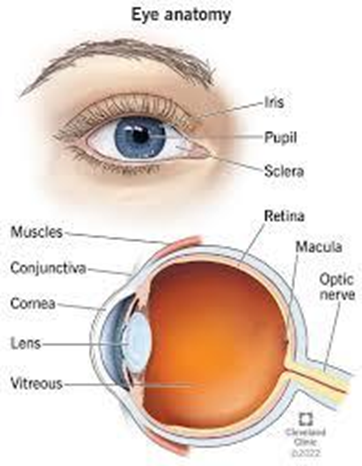
c: Is the outermost layer of the eye - The outermost layer of the eye is the sclera, a tough, white layer that helps maintain the shape of the eye.
d: Produces aqueous humor - Aqueous humor is produced by the ciliary body and is found in the anterior chamber of the eye, not in the retina.
Whether you are a student looking to ace your exams or a practicing nurse seeking to enhance your expertise , our nursing education contents will empower you with the confidence and competence to make a difference in the lives of patients and become a respected leader in the healthcare field.
Visit Naxlex, invest in your future and unlock endless possibilities with our unparalleled nursing education contents today