
While changing a client's postoperative dressing, the nurse observes purulent drainage at the wound. Before reporting this finding to the healthcare provider, the nurse should note which of the client's laboratory values?
Hematocrit.
Platelet count.
Creatinine level.
White blood cell (WBC) count.
The Correct Answer is D
The presence of purulent drainage at the wound indicates a potential infection, and monitoring the client's WBC count is an important laboratory value to assess for signs of infection. An elevated WBC count, specifically an increase in the neutrophil count (neutrophilia), can indicate an active infection and provide important information for the healthcare provider when evaluating the wound.
While hematocrit, platelet count, and creatinine level are essential laboratory values to assess the client's overall condition, they may not provide specific information regarding the presence of infection or purulent drainage at the wound site.
Nursing Test Bank
Naxlex Comprehensive Predictor Exams
Related Questions
Correct Answer is A,B,C,D,E
Explanation
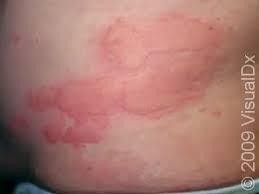
A) This is because the client is experiencing an allergic reaction to piperacillin, which can be life-threatening. The nurse should stop the infusion immediately to prevent further exposure to the drug and assess vital signs to monitor for signs of anaphylaxis, such as hypotension, tachycardia, wheezes, or stridor.
B) Assessing vital signs is a priority to determine the severity of the reaction and the client's overall condition.
C) The nurse should contact the healthcare provider to report the situation and obtain orders for treatment, such as antihistamines, corticosteroids, or epinephrine.
D) The nurse should initiate an adverse event report to document the incident and follow the facility's protocol for reporting medication errors.
E) The nurse should also document the reaction to the drug in the client's chart and notify the pharmacy to avoid future administration of piperacillin or related antibiotics.
Correct Answer is A
Explanation
Tracheostomy care is done to keep the trach tube clean and prevent infections.It involves suctioning and cleaning parts of the tube and the skin around the stoma. A code blue is a hospital emergency code that indicates a life-threatening situation, such as cardiac or respiratory arrest.It requires immediate attention from trained personnel.
- Call for an assistant to stay with the client who is receiving tracheostomy care and continue the procedure.
- Respond to the code blue and assist with resuscitation efforts for the other client.
- Return to the client who is receiving tracheostomy care as soon as possible and complete the procedure.
Therefore, the correct answer isa. Call for an assistant.
Whether you are a student looking to ace your exams or a practicing nurse seeking to enhance your expertise , our nursing education contents will empower you with the confidence and competence to make a difference in the lives of patients and become a respected leader in the healthcare field.
Visit Naxlex, invest in your future and unlock endless possibilities with our unparalleled nursing education contents today