
naxlex image logo

Naxlex

  • Nursing School Content
  • TEAS Content
  • HESI Content
  • Register
  • Sign Up
How it Works
Naxlex
  • Medical Surgical
  • Blood and Cardiovascular Disorders
  • Etiology and Risk Factors
Try Naxlex NCLEX-RN (14-day Free-Trial)

Etiology and Risk Factors

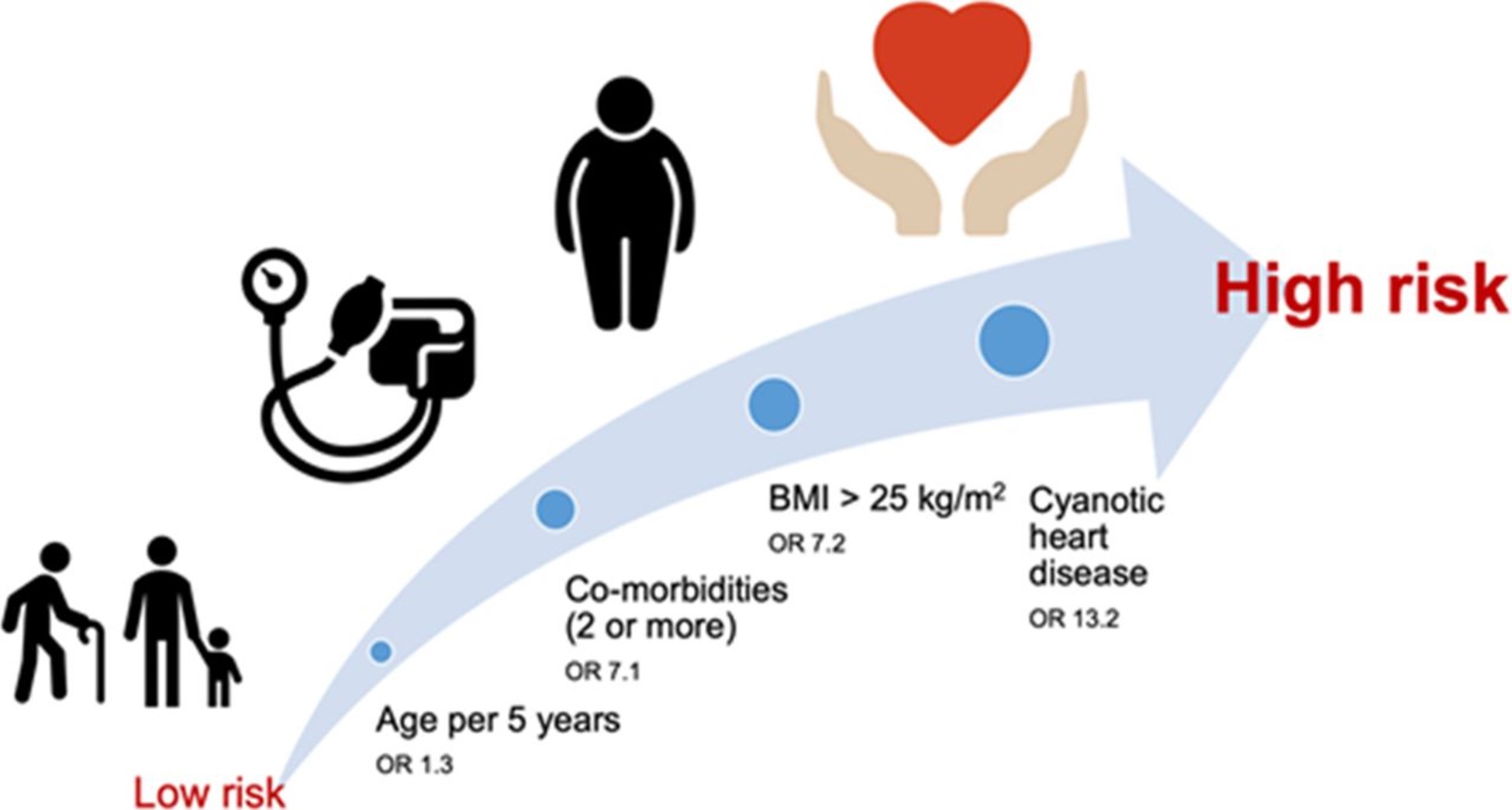
- The exact cause of most CHDs is unknown, but they are likely multifactorial, involving genetic, environmental, and maternal factors.

- Some genetic syndromes that are associated with CHD include Down syndrome, Turner syndrome, Marfan syndrome, DiGeorge syndrome, and Noonan syndrome.

- Some environmental factors that can increase the risk of CHD include maternal infections (rubella, cytomegalovirus, toxoplasmosis), maternal diabetes, maternal alcohol use, maternal smoking, maternal exposure to certain drugs (anticonvulsants, lithium, retinoic acid), and maternal exposure to radiation or chemicals.

- Some maternal factors that can increase the risk of CHD include advanced maternal age (>35 years), multiple gestation, preexisting cardiac disease, and history of a previous child with CHD.
Nursing Test Bank

Test Bank #1: RN Pharmacology Exams Test Bank #2: RN Medical-Surgical Exams Test Bank #3: RN Fundamentals Exams Test Bank #4: RN Maternal-Newborn Exams Test Bank #5: RN Anatomy and Physiology Exams Test Bank #6: RN Obstetrics and Pediatrics Exams Test Bank #7: RN Fluid and Electrolytes Exams Test Bank #9: RN Adult Health Test Bank #10: RN Dosage Calculation Test Bank #11: RN Community Health Exams Test Bank #12: RN Psychology Exams Test Bank #13: RN Nursing Care Of Children Test Bank #14: RN Foundations of Nursing Exams

Naxlex Comprehensive Predictor Exams

Exam #1: RN Comprehensive predictor 2023 proctored exam Exam #2: Ati rn vati comprehensive predictor proctored exam Exam #3: Ati Rn Comprehensive Predictor Proctored Exam 2023 Exam #4: Rn Comprehensive Predictor 2023 Proctored Exam - St. Joseph Exam #5: RN Comprehensive Predictor Proctored Exam (National U CA San Diego) Exam #6: Ati rn comprehensive predictor 2023 retake proctored exam Exam #7: RN Hesi Exit Proctored Exam Exam #8: Hesi RN Exit proctored exam Exam #9: Hesi rn exit proctored exam Exam #10: Hesi Rn compass exit B proctored exam

Questions on Etiology and Risk Factors

Correct Answer is A

Explanation

Incorrect. Determining the child's weight is relevant in assessing the effectiveness of furosemide therapy. However, it is not the priority action before administering the medication. Respiratory assessment is more critical for immediate intervention.Questions

Correct Answer is C

Explanation

<p>Incorrect. Prostaglandin E1 does not decrease heart rate. It primarily affects the patency of the ductus arteriosus.</p>

Correct Answer is A

Explanation

Incorrect. While observing for respiratory distress is crucial, it is not the priority action in this specific scenario of preparing to administer digoxin. Checking the heart rate takes precedence.

Correct Answer is C

Explanation

<p>This option is incorrect. Congenital heart diseases can significantly impact feeding patterns in infants, and special attention is required to support their nutritional needs.</p>

Correct Answer is B

Explanation

This option is incorrect. Medication use during pregnancy can have various effects on the developing baby, and certain medications may increase the risk of congenital heart diseases.

Correct Answer is D

Explanation

The answer is D. Clients with congenital heart diseases are at increased risk of infections, so it is essential to educate the client about infection prevention measures, such as limiting contact with other children during times of increased risk.

Correct Answer is B

Explanation

This option is incorrect. While genetic factors play a significant role in the etiology of congenital heart diseases, there are other identifiable risk factors, as mentioned in option B.

Correct Answer is C

Explanation

This option is incorrect. Heart murmurs that are harsh, loud, and continuous are not considered benign and require further evaluation and monitoring.

Correct Answer is A

Explanation

Incorrect. Mild nausea can be a common side effect of digoxin, and the client should not discontinue the medication without consulting their healthcare provider. Instead, they should report any adverse effects for proper evaluation.

Correct Answer is A

Explanation

Incorrect. Aspirin is an anticoagulant, and the client should consult their healthcare provider about the management of aspirin therapy before any surgical procedure.

Correct Answer is B

Explanation

<p>This option is incorrect. Excessive weight gain and a rapid growth rate are not typical early symptoms of congenital heart diseases.</p>

Correct Answer is A

Explanation

This option is incorrect. Frequent episodes of irritability and excessive crying may be present in infants with heart defects, but they are not specific to heart failure in toddlers.

Correct Answer is C

Explanation

Incorrect. Peripheral vascular disease primarily affects the arteries and veins in the extremities and is not directly related to cyanosis and clubbing of the fingers.

Correct Answer is A

Explanation

Incorrect. Foods high in vitamin B12 are not contraindicated with enalapril use. There is no specific dietary restriction regarding vitamin B12 intake for clients taking this medication.

Correct Answer is C

Explanation

This option is incorrect. Clubbing of the fingers and toes is not commonly observed during adolescence, and it is not temporary. It can persist if the underlying heart condition is not adequately managed.

Correct Answer is A

Explanation

<p>This option is incorrect. Resolution of cyanosis and pink coloration of the lips and nail beds are positive signs of improved oxygenation and may indicate effective management of the heart defect but not the potential worsening of heart failure.</p>

Correct Answer is C

Explanation

Incorrect. The nurse, along with the healthcare provider, should determine the medication dosing times based on the infant's condition and the prescribed schedule. Leaving the decision solely to the parents may lead to dosing errors or missed doses.

Correct Answer is A

Explanation

This option is incorrect. There are known risk factors for congenital heart diseases, as mentioned in option A. While some cases may occur sporadically without identifiable risk factors, many cases have associated factors that can be addressed through prenatal care and management.Questions

Correct Answer is A

Explanation

This option is incorrect. Vaccination is important for preventing certain infections, but it is not directly related to the cause or prevention of congenital heart diseases.

Correct Answer is B

Explanation

Incorrect. Limiting fluid intake may not be necessary unless specifically advised by the healthcare provider. Infants need sufficient hydration, and fluid intake should be managed based on the infant's overall health and condition.

This option is incorrect. Employment and work-related stress levels are not known risk factors for congenital heart diseases.

This option is incorrect. Iron deficiency anemia can affect maternal and fetal health, but it is not considered a risk factor for congenital heart diseases.

This option is incorrect. While early treatment can significantly improve life expectancy and overall health outcomes, it may not guarantee a "normal" life expectancy for all individuals with congenital heart diseases, as outcomes depend on the specific condition and severity.

This option is incorrect. Alcohol consumption during pregnancy can have far-reaching effects on fetal development, affecting both the heart and brain, among other organ systems.QUESTIONS

Incorrect. Prostaglandin E1 does not promote the growth of cardiac muscle tissue. Its primary therapeutic effect is related to the patency of the ductus arteriosus.

Incorrect. Weight gain following the growth chart percentile for age is not directly associated with congenital heart diseases. There are more specific clinical indicators to consider in the assessment of this condition.

This option is incorrect. Genetic inheritance is a non-modifiable risk factor for congenital heart diseases, as it relates to the transmission of genes from parents to their children.

Correct answer. Excessive sweating during feedings can be a sign of increased cardiac effort and inadequate oxygen supply in some congenital heart diseases. This symptom may be present in babies with cyanotic heart defects, where oxygen-rich blood is not adequately circulated to the body, leading to

Incorrect. A heart murmur audible throughout systole and diastole can indicate structural heart abnormalities. While it requires medical follow-up, it may not need immediate intervention unless accompanied by other concerning symptoms.

Incorrect. Most congenital heart diseases cannot be "cured" with diagnostic testing alone. However, the information obtained from the tests is crucial in determining the most appropriate management and treatment options.Questions

Incorrect. Elevating the head of the bed can help with respiratory effort, but it is not the priority intervention. Monitoring urine output and fluid balance is more critical in the early postoperative period.

This option is incorrect. Prenatal care involves monitoring the health and development of the fetus and aims to address potential issues to ensure a healthy pregnancy and baby, including the early detection and management of congenital heart diseases.

Incorrect. Activities with prolonged standing may increase venous return and potentially worsen certain congenital heart conditions. The focus should be on low to moderate intensity exercises.QUESTIONS

The answer is D. Shortness of breath and chest pain can be signs of a cardiac event or worsening of the congenital heart disease. The client should seek medical attention immediately to receive appropriate evaluation and treatment.

Incorrect. All surgical procedures carry some risk of infection. While healthcare providers take measures to minimize this risk, it is not accurate to claim there is no risk at all.

This option is incorrect. Congenital heart diseases do not typically present with mild cold-like symptoms and fever. These are more indicative of common respiratory infections, unrelated to heart conditions.

<p>This statement is true, as treatment options for congenital heart diseases often include medications, surgical interventions, or other medical therapies, depending on the specific condition and its severity.</p>

Correct answer. Neonates and infants are the highest-risk population for congenital heart diseases because these conditions are typically present from birth and may become apparent shortly after delivery or during infancy.

Incorrect. Mild swelling of the ankles after activity is not directly related to digoxin use. The nurse should monitor the client's ankles for any worsening swelling, but it does not require immediate reporting unless accompanied by other concerning symptoms.The answer is A

This option is incorrect. While a family history of congenital heart diseases may increase the risk, seeking appropriate medical guidance and prenatal care can help manage and address these risks.
Try Naxlex NCLEX-RN
(14 Day Free-Trial)

Search Here

More on Nursing

  • Medico-Surgical Procedures
  • Immunological System
  • Genito-Urinary System Disorders
  • Digestive System Disorders
  • Perioperative Nursing
  • Endocrine Systems
  • Communicable Diseases
  • Introduction
  • Musculoskeletal System

Free Nursing Study Materials

Access to all study guides and practice questions for nursing for free.

  • Free Nursing Study Trials
  • Free Nursing Video tutorials
  • Free Nursing Practice Tests
  • Free Exam and Study Modes
  • Free Nursing Revision Quizlets
Join Us Today
naxlex-logo-footer

Designed to assess a student's preparedness for entering the health science fields.

Email Address: [email protected]

Phone No: +18175082244

Company

  • Contact us
  • How it Works
  • Blog

Resources

  • Privacy Policy
  • Terms of use
  • Help Center

© 2026 Naxlex.com