
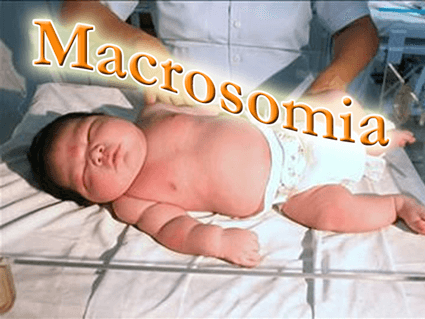
Macrosomia
- Definition: Birth weight greater than 4000 g or above the 90th percentile for gestational age
- Causes: Maternal diabetes or obesity, excessive weight gain during pregnancy, prolonged pregnancy (>40 weeks), male gender, genetic factors
- Signs and symptoms: Large size for gestational age (LGA), plump or full face, birth trauma (e.g., shoulder dystocia, brachial plexus injury), hypoxemia (low oxygen level in blood), hypoglycemia, hypocalcemia (low calcium level in blood), polycythemia (high red blood cell count), hyperbilirubinemia
- Assessment: Measure weight, length, head circumference; monitor vital signs and oxygen saturation; assess for signs of trauma or injury; perform heel stick blood glucose test using a glucometer; perform laboratory tests as ordered (e.g., blood gas analysis, calcium level, hematocrit); perform diagnostic tests as ordered (e.g., chest X-ray)
- Nursing interventions: Deliver the baby vaginally with assistance if needed (e.g., forceps, vacuum extraction) or by cesarean section if indicated; provide oxygen therapy if needed; maintain thermoregulation by keeping the baby warm and dry; feed the baby as soon as possible after birth; monitor blood glucose levels frequently until stable; administer IV dextrose solution if needed; monitor calcium levels and administer calcium gluconate if needed; monitor hematocrit levels and perform partial exchange transfusion if needed; monitor bilirubin levels and provide phototherapy if needed; educate parents on signs of hypoglycemia and how to feed the baby
Nursing Test Bank
Test Bank #1: RN Pharmacology Exams
Test Bank #2: RN Medical-Surgical Exams
Test Bank #3: RN Fundamentals Exams
Test Bank #4: RN Maternal-Newborn Exams
Test Bank #5: RN Anatomy and Physiology Exams
Test Bank #6: RN Obstetrics and Pediatrics Exams
Test Bank #7: RN Fluid and Electrolytes Exams
Test Bank #9: RN Adult Health
Test Bank #10: RN Dosage Calculation
Test Bank #11: RN Community Health Exams
Test Bank #12: RN Psychology Exams
Test Bank #13: RN Nursing Care Of Children
Test Bank #14: RN Foundations of Nursing Exams
Naxlex Comprehensive Predictor Exams
Exam #1: RN Comprehensive predictor 2023 proctored exam
Exam #2: Ati rn vati comprehensive predictor proctored exam
Exam #3: Ati Rn Comprehensive Predictor Proctored Exam 2023
Exam #4: Rn Comprehensive Predictor 2023 Proctored Exam - St. Joseph
Exam #5: RN Comprehensive Predictor Proctored Exam (National U CA San Diego)
Exam #6: Ati rn comprehensive predictor 2023 retake proctored exam
Exam #7: RN Hesi Exit Proctored Exam
Exam #8: Hesi RN Exit proctored exam
Exam #9: Hesi rn exit proctored exam
Exam #10: Hesi Rn compass exit B proctored exam
Questions on Macrosomia
Correct Answer is A
Explanation
turning off the phototherapy lights during blood draws can reduce the efficacy of the treatment and prolong the duration of exposure. The lights should be turned off only when absolutely necessary, such as during physical examination or parental bonding.
Correct Answer is C
Explanation
No explanation
Correct Answer is A
Explanation
White blood cell count of 9,000/mm3 is within the normal range for a newborn, which is 9,000 to 30,000/mm3.