
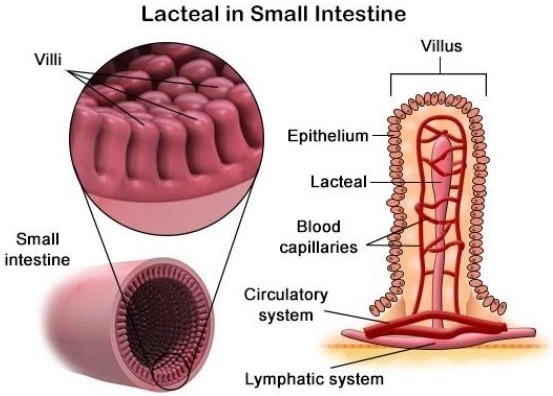
Lipids absorbed in the small intestine will first enter which of the following structures?
Veins
Arteries
Lacteal vessels
Interstitial spaces
Correct Answer : C
The correct answer is c. Lacteal vessels. Lipids absorbed in the small intestine will first enter lacteal vessels, which are small lymphatic vessels located in the villi of the small intestine. These vessels transport the absorbed lipids to the lymphatic system, where they eventually enter the bloodstream.
a. Veins and b. Arteries are blood vessels that transport blood throughout the body. Lipids absorbed in the small intestine do not directly enter these vessels.
d. Interstitial spaces are spaces between cells and tissues that contain interstitial fluid. Lipids absorbed in the small intestine do not directly enter these spaces.
TEAS 7 Exam Quiz Bank
HESI A2 Exam Quiz Bank
Find More Questions 📚
Teas 7 Questions: We got the latest updated TEAS 7 questions
100% Money Refund: 100% money back guarantee if you take our full
assessment pass with 80% and fail the actual exam.
Live Tutoring: Fully customized live tutoring lessons.
Guaranteed A Grade: All students who use our services pass with 90%
guarantee.
Related Questions
Correct Answer is D
Explanation
Air resistance could be greater for A than for B.
Since both objects have the same mass but different times of fall, it suggests that there could be differences in air resistance affecting their fall rates. Object A took longer to fall, indicating that it might have experienced more air resistance compared to Object B.
Correct Answer is C
Explanation
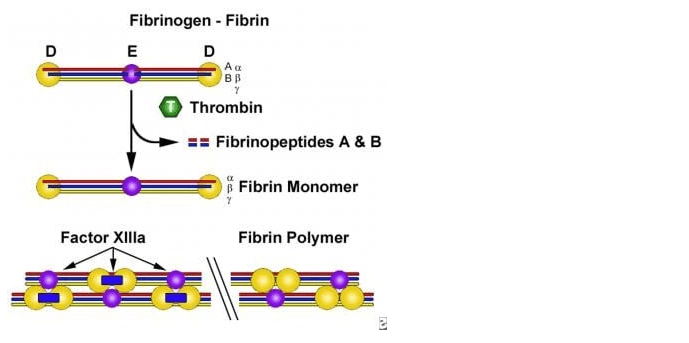
The correct answer is c. Fibrinogen. Fibrinogen is a protein present in blood plasma that plays a key role in blood clotting. When an injury occurs and bleeding begins, fibrinogen is converted into fibrin, which forms a mesh-like structure that helps to trap blood cells and form a clot.
A. Monocytes are a type of white blood cell, not a protein present in blood plasma.
B. Platelets are cell fragments that play a role in blood clotting, but they are not a protein present in blood plasma.
D. Lymphocytes are a type of white blood cell, not a protein present in blood plasma.
Correct Answer is A
Explanation
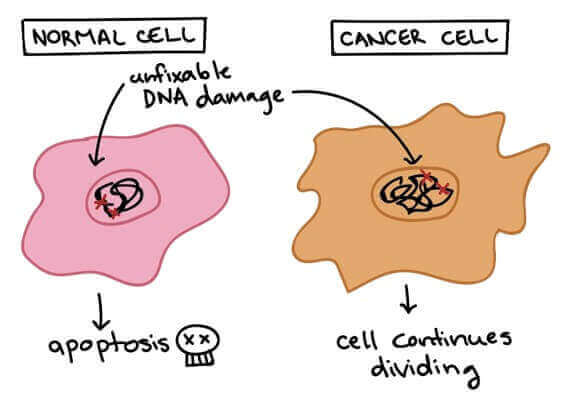
A genetic mutation that results in uncontrolled division of a single cell within the body describes cancer ¹. Cancer is a disease of uncontrolled cell division ¹. Its development and progression are usually linked to a series of changes in the activity of cell cycle regulators ¹. In most cases, these changes in activity are due to mutations in the genes that encode cell cycle regulator proteins ¹.
The other options are not correct because they do not accurately describe a genetic mutation that results in uncontrolled division of a single cell within the body. Gene therapy, stem cells, and translation are not processes that result in uncontrolled cell division.
Correct Answer is B
Explanation
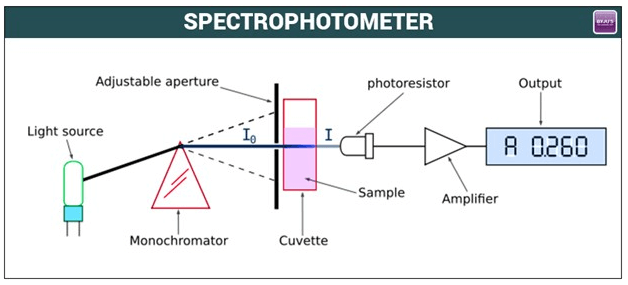
The correct answer is b. Spectrophotometer. A spectrophotometer is a tool that can be used to measure the turbidity of a liquid by measuring the transmission of light through the sample. Turbidity is a measure of the cloudiness or haziness of a liquid caused by the presence of suspended particles. A spectrophotometer measures the amount of light that passes through the sample and compares it to the amount of light that passes through a reference sample to determine the turbidity.
a. A centrifuge is a tool used to separate components of a mixture based on their densities, not to measure
turbidity.
c. A microdensitometer is a tool used to measure the optical density of an image, not to measure turbidity.
d. An electrophorometer is a tool used to separate charged particles based on their size and charge, not to measure turbidity.
Correct Answer is D
Explanation
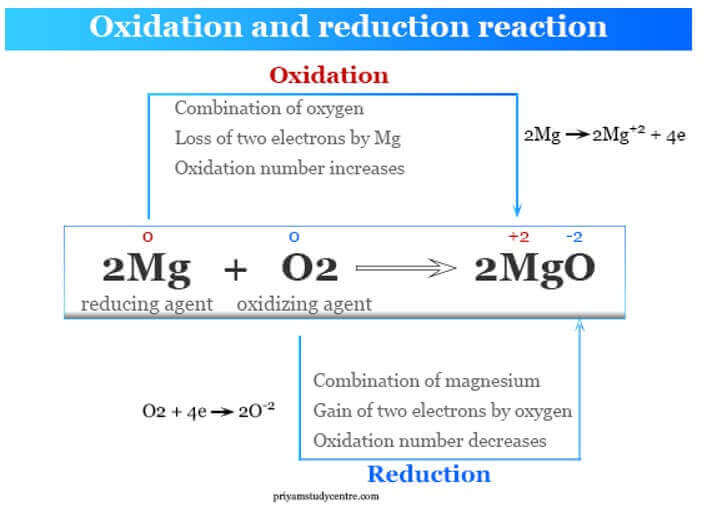
An oxidation reaction occurs when there is a removal of electrons ¹. Oxidation is the loss of electrons during a reaction by a molecule, atom or ion ¹. When oxidation occurs, the oxidation state of the chemical species increases ¹.
The other options are not correct because they do not accurately describe what occurs in an oxidation reaction. Removal of oxygen, addition of carbon, and addition of neutrons are not processes that occur in an oxidation reaction.
Correct Answer is D
Explanation
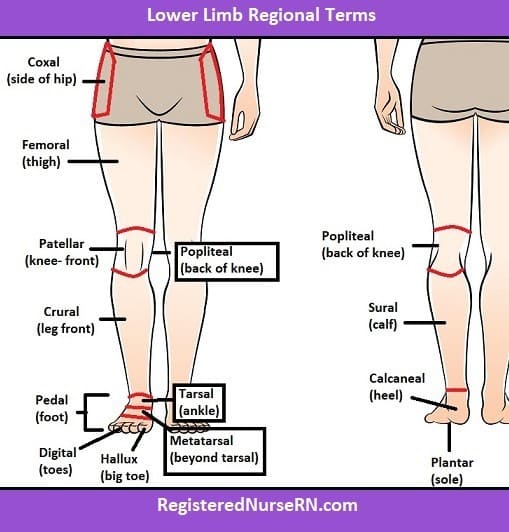
The tibia and fibula are located in the crural region of the body, which is the lower leg between the knee and ankle. The coxal region refers to the hip area, the antecubital region is the front of the elbow, and the tarsal region is the ankle and foot.
Correct Answer is A
Explanation
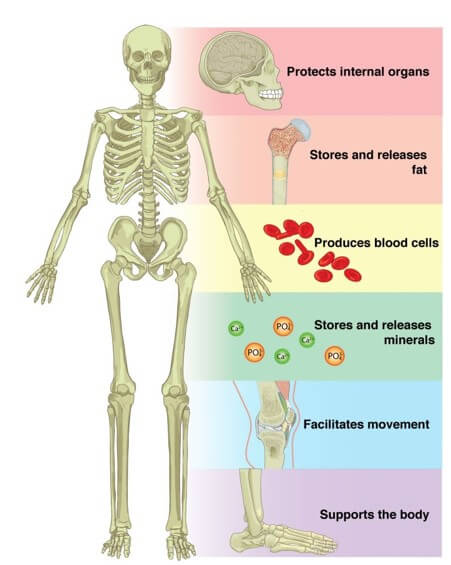
The correct answer is a. Storage of minerals. Bones serve as a storage site for minerals such as calcium and phosphorus. These minerals are essential for various bodily functions and can be released from the bones into the bloodstream when needed.
b. Detoxification of alcohol is not a function of bone. This process occurs primarily in the liver.
c. Secretion of hormones is not a function of bone. Hormones are produced and secreted by glands such as the pituitary gland, thyroid gland, and adrenal glands.
d. Production of otoliths is not a function of bone. Otoliths are small calcium carbonate structures found in the inner ear of fish and other vertebrates that help with balance and hearing.
Correct Answer is D
Explanation
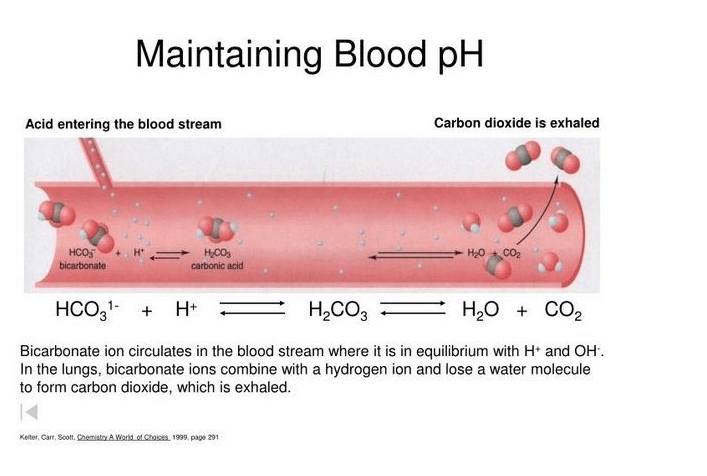
The correct answer is d. Carbonic acid. When blood pH rises, carbonic acid can donate H+ ions to act as a buffer and help maintain the pH within a normal range. Carbonic acid is formed when carbon dioxide dissolves in water and reacts with it.
A. Oxygen is not responsible for donating H+ ions to act as a buffer when blood pH rises.
B. Carbon monoxide is a toxic gas that does not play a role in buffering blood pH.
C. Carbon dioxide can dissolve in water to form carbonic acid, which can then donate H+ ions to act as a buffer.
Correct Answer is A
Explanation
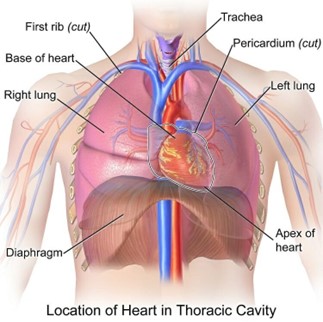
The correct answer is a. Heart and lungs. The thoracic cavity contains the heart and lungs, which are at greatest risk from severe blunt trauma to this area.
a.The brain and spinal cord are not located in the thoracic cavity and are therefore not at greatest risk from blunt trauma to this area.
c.The liver and stomach are located in the abdominal cavity, which is below the thoracic cavity. While these organs may be affected by severe blunt trauma to the thoracic cavity, they are not at greatest risk.
d.The large and small intestines are also located in the abdominal cavity and are not at greatest risk from blunt trauma to the thoracic cavity.
Correct Answer is A
Explanation
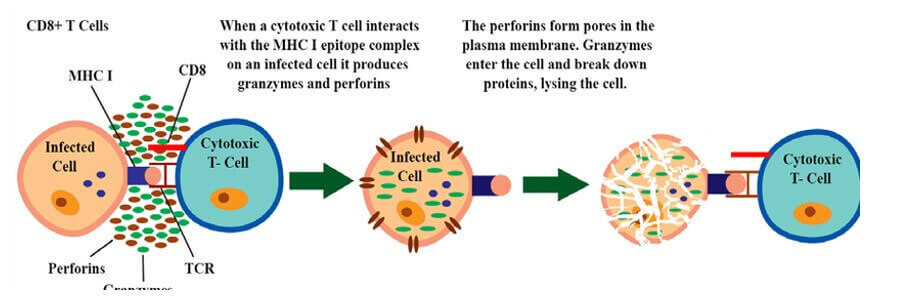
Perforins are immune system molecules that create holes in the cell membranes of their target cells in order to destroy the cell. Perforins are proteins that are released by cytotoxic T cells and natural killer cells
They form pores in the target cell membrane, allowing water and ions to enter the cell and causing it to swell and burst.
The other options are not correct because they do not accurately describe the immune system molecules that create holes in the cell membranes of their target cells. Interferons, cytokines, and lymphotoxins do not create holes in cell membranes.
This question was extracted from the actual TEAS Exam. Ace your TEAS exam with the actual TEAS 7 questions, Start your journey with us today
Visit Naxlex, the Most Trusted TEAS TEST Platform With Guaranteed Pass of 90%.
Money back guarantee if you use our service and fail the actual exam. Option of personalised live tutor on your area of weakness.