
A nurse is reviewing a client's laboratory values. Which of the following values should the nurse report to the provider?
Hct 45%
Platelets 160,000/mm³
WBC 1,700/mm³
Hgb 14.7 g/dL
The Correct Answer is C
Choice A: Hct 45% is not a value that the nurse should report to the provider. Hct, or hematocrit, is the percentage of red blood cells in the total blood volume. The normal range for Hct is 37% to 51% for men and 32% to 45% for women. Hct 45% is within the normal range and does not indicate any abnormality.
Choice B: Platelets 160,000/mm³ is not a value that the nurse should report to the provider. Platelets, or thrombocytes, are cell fragments that help with blood clotting and hemostasis. The normal range for platelets is 150,000 to 450,000/mm³. Platelets 160,000/mm³ is within the normal range and does not indicate any abnormality.
Choice C: WBC 1,700/mm³ is a value that the nurse should report to the provider. WBC, or white blood cells, are cells that fight infection and inflammation. The normal range for WBC is 4,500 to 11,000/mm³. WBC 1,700/mm³ is below the normal range and indicates leukopenia, which is a low number of white blood cells. Leukopenia can be caused by various conditions, such as viral infections, autoimmune disorders, bone marrow suppression, or chemotherapy. Leukopenia can increase the risk of infection and sepsis and requires prompt evaluation and treatment.
Choice D: Hgb 14.7 g/dL is not a value that the nurse should report to the provider. Hgb, or hemoglobin, is a protein in red blood cells that carries oxygen to the tissues. The normal range for Hgb is 13.5 to 17.5 g/dL for men and 12.0 to 15.5 g/dL for women. Hgb 14.7 g/dL is within the normal range and does not indicate any abnormality.
Nursing Test Bank
Naxlex Comprehensive Predictor Exams
Related Questions
Correct Answer is C
Explanation
Choice A Reason: This is incorrect because droplet precautions are not sufficient to prevent the transmission of pneumonic plague. Droplet precautions are used to prevent the spread of infectious agents that are expelled through coughing, sneezing, or talking and travel only a short distance in the air. Droplet precautions include wearing a surgical mask, gown, and gloves, and placing the client in a private room or with a roommate who has the same infection.
Choice B Reason: This is incorrect because administering an antitoxin is not an intervention for pneumonic plague. An antitoxin is a substance that neutralizes the effects of a toxin produced by a microorganism. Pneumonic plague is not caused by a toxin, but by a bacterial infection.
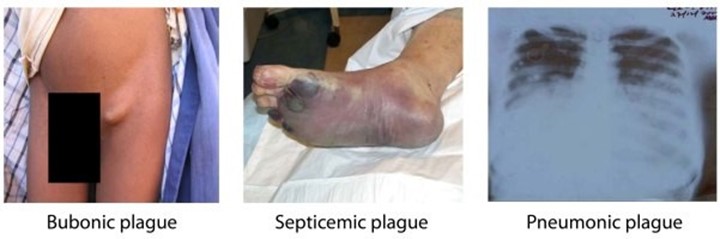
Choice C Reason: This is correct because initiating airborne precautions is an intervention for pneumonic plague. Airborne precautions are used to prevent the spread of infectious agents that can remain suspended in the air and travel over long distances. Pneumonic plague is a severe and potentially fatal infection caused by the bacterium Yersinia pestis, which can be transmited through respiratory droplets or aerosols. Airborne precautions are used to prevent the spread of infectious agents that can remain suspended in the air and travel over long distances. Airborne precautions include wearing a respirator or N95 mask, placing the client in a negative-pressure room with an air filtration system, and limiting visitors and staff contact.
Choice D Reason: This is incorrect because destroying the linens after use is not an intervention for pneumonic plague. Linens that are contaminated with body fluids or secretions should be handled with gloves and placed in leak-proof bags for laundering or disposal, but they do not need to be destroyed.
Correct Answer is C
Explanation
Choice A Reason: This is incorrect. Pulse and blood pressure findings are not reliable indicators of pain, as they can be influenced by many other factors, such as anxiety, medication, or underlying conditions. They are also not sensitive enough to detect changes in pain intensity or relief.
Choice B Reason: This is incorrect. Scheduled treatments and client illness are not relevant parameters for assessing pain, as they do not reflect the current pain experience of the client. They may provide some clues about the possible causes or sources of pain, but they do not measure the pain itself.
Choice C Reason: This is correct. A self-report pain rating scale is the most valid and reliable parameter for assessing pain, as it reflects the subjective perception of the client. The nurse should use a simple and appropriate scale, such as a numeric or visual analog scale, and ask the client to point to the number or picture that best represents their pain level.
Choice D Reason: This is incorrect. Behavioral indicators and affect are useful parameters for assessing pain, especially when the client has difficulty communicating verbally, but they are not the first choice. They are more subjective and variable than self-report, and they may be influenced by cultural or personal factors. They should be used in conjunction with self-report, not instead of it.
Whether you are a student looking to ace your exams or a practicing nurse seeking to enhance your expertise , our nursing education contents will empower you with the confidence and competence to make a difference in the lives of patients and become a respected leader in the healthcare field.
Visit Naxlex, invest in your future and unlock endless possibilities with our unparalleled nursing education contents today