
A charge nurse in a long-term care facility notices the smell of alcohol on a nurse's breath. Which of the following actions should the nurse take first?
Document objective findings about the situation.
Assign clients to the remaining staff.
Call the supervisor to ask for another nurse.
Remove the nurse from the client care area.
The Correct Answer is D
Choice A Reason:
Document objective findings about the situation is incorrect. While documentation is important, it should not be the first action when the charge nurse suspects a colleague is under the influence of alcohol. Patient safety takes precedence, and immediate action to remove the nurse from patient care is necessary to prevent potential harm.
Choice B Reason;
Assigning clients to the remaining staff is incorrect. Assigning clients to other staff members is an appropriate step but should come after the nurse under suspicion has been removed from patient care to ensure their safety. Patient safety is the primary concern.
Choice C Reason:
Calling the supervisor to ask for another nurse is incorrect. Contacting the supervisor is a reasonable action, but it should be done after the immediate safety concern has been addressed by removing the nurse from patient care. This allows the supervisor to be informed of the situation and take appropriate action.
Choice D Reason:
Removing the nurse from the client care area is correct.When a charge nurse detects the smell of alcohol on a nurse's breath, the first and most immediate action should be to remove the nurse from the client care area to ensure patient safety. Alcohol impairment can severely compromise a nurse's ability to provide safe and effective care. Once the nurse is removed from patient care, further actions, such as documenting objective findings and contacting the supervisor, can be taken to address the situation and ensure appropriate follow-up, including any necessary interventions or investigations. Patient safety should always be the top priority in such situations.
Nursing Test Bank
Naxlex Comprehensive Predictor Exams
Related Questions
Correct Answer is C
Explanation
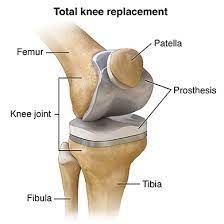
A nurse assisting with the care of a client who is 6 hours postoperative following a right total knee arthroplasty should check the client's pedal pulses every hour. This is important to assess the adequacy of blood flow and tissue perfusion to the extremity.
It is also important to monitor the client's pain level, administer pain medication as ordered, and encourage the client to perform exercises as appropriate.
The head of the client's bed should be maintained in a semi-Fowler's position to promote optimal respiratory function, and the client's dressing should be changed only as needed and with sterile technique.
An abductor wedge is not typically used following knee arthroplasty surgery.
Correct Answer is C
Explanation
Bacterial meningitis is a serious infection of the membranes surrounding the brain and spinal cord that can cause inflammation and damage to the nervous system.
Nuchal rigidity refers to stiffness and pain in the neck that makes it difficult to flex the neck forward. This finding is indicative of inflammation of the meninges and is a classic sign of meningitis.
Pedal edema refers to swelling of the feet and ankles and can be caused by various conditions such as heart, liver, or kidney problems.
Jaundice refers to yellowing of the skin and eyes and can be caused by liver or bile duct disease.
Hematuria refers to the presence of blood in the urine and can be caused by various conditions such as urinary tract infections, kidney stones, or bladder cancer. These findings are not related to bacterial meningitis and may suggest other health concerns that require further evaluation and management.
Whether you are a student looking to ace your exams or a practicing nurse seeking to enhance your expertise , our nursing education contents will empower you with the confidence and competence to make a difference in the lives of patients and become a respected leader in the healthcare field.
Visit Naxlex, invest in your future and unlock endless possibilities with our unparalleled nursing education contents today