
A nurse is assisting in providing postmortem care for a client who was a devout follower of Hinduism. Which of the following requests should the nurse anticipate from the client's family?
To stay with the client's body for 8 hr following their death
To bury the client's body within 24 hr of their death
To prohibit medical personnel from touching the client's body
To cremate the client's body
The Correct Answer is D
In Hinduism, cremation is the traditional and preferred method of handling the deceased. It is important for the nurse to be culturally sensitive and respectful of the family's religious beliefs and practices while providing postmortem care.
Nursing Test Bank
Naxlex Comprehensive Predictor Exams
Related Questions
Correct Answer is D
Explanation
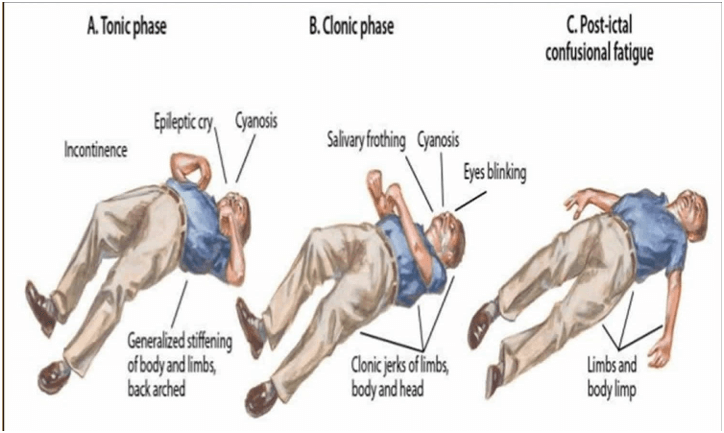
After a tonic-clonic seizure, the nurse should first check the child for any injuries, particularly in the oral cavity. This is because during a seizure, the child's tongue may have been biten, or there may be other oral injuries. Therefore, it is essential to check the oral cavity for any injury or bleeding.
Correct Answer is A
Explanation
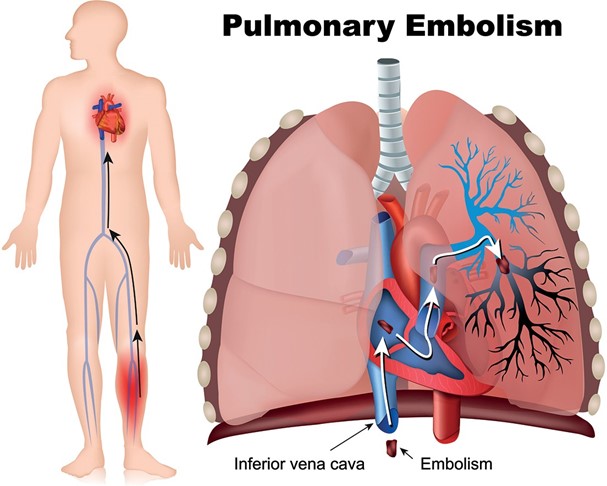
Pain in the calf can be a potential symptom of deep vein thrombosis (DVT), which is a serious complication after surgery. Monitoring the client's pulse oximetry can help assess for signs of decreased oxygenation, which may indicate a possible clot or compromised circulation. A decrease in oxygen saturation can be an early indicator of a potential DVT-related complication, such as a pulmonary embolism. Monitoring the pulse oximetry can provide valuable information for timely intervention and management.
Instructing the client to massage the calf gently is not advisable without further assessment and evaluation. Massaging the calf can potentially dislodge a clot if one is present, leading to further complications. It is important to rule out DVT through appropriate diagnostic measures before providing specific instructions for calf massage.
Maintaining the leg in a dependent position while in bed can potentially worsen the symptoms and increase the risk of venous stasis. Elevating the affected leg, rather than maintaining it in a dependent position, can help improve venous return and reduce pain or swelling.
Applying a cold compress to the client's calf is not recommended without further assessment. Heat or cold therapy should be applied based on the underlying cause of the pain. In the case of potential DVT, applying a cold compress can increase vasoconstriction and potentially worsen the condition. It is essential to investigate the cause of the pain first and consult with the healthcare provider before initiating any specific therapies or interventions.
Whether you are a student looking to ace your exams or a practicing nurse seeking to enhance your expertise , our nursing education contents will empower you with the confidence and competence to make a difference in the lives of patients and become a respected leader in the healthcare field.
Visit Naxlex, invest in your future and unlock endless possibilities with our unparalleled nursing education contents today