
A client arrives at the clinic very excitedly and reports a positive home pregnancy test.
The nurse cautions that the home pregnancy test is considered a presumptive sign and will assess the client for which sign to confirm pregnancy.
Chadwick's sign.
Hegar's sign.
Positive office pregnancy test.
Fetal movement felt by examiner.
The Correct Answer is C
The proof of pregnancy is in the pregnancy test.
A positive office pregnancy test would confirm the pregnancy.

Choice A, Chadwick’s sign, is not correct because it is not a definitive sign of pregnancy.
Choice B, Hegar’s sign, is also not correct because it is not a definitive sign of pregnancy.
Choice D, Fetal movement felt by the examiner, is not correct because it is not a definitive sign of pregnancy.
Nursing Test Bank
Naxlex Comprehensive Predictor Exams
Related Questions
Correct Answer is C
Explanation
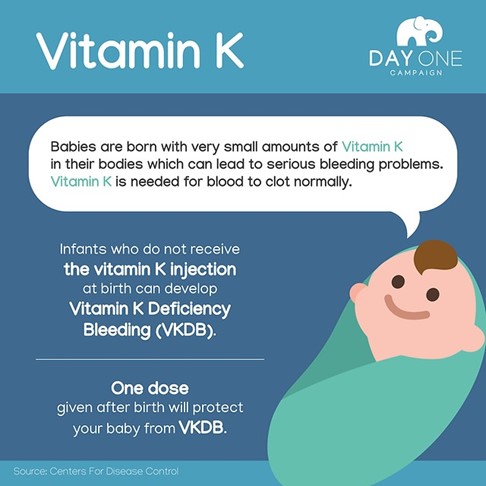
The purpose of administering vitamin K to a newborn following delivery is to prevent bleeding.
Vitamin K helps blood to clot and is essential in preventing serious bleeding in infants.
Choice A is not an answer because administering vitamin K does not prevent infection.
Choice B is not an answer because administering vitamin K does not prevent potassium deficiency.
Choice D is not an answer because administering vitamin K does not prevent hyperbilirubinemia.
Correct Answer is A
Explanation
The initial lochia post-delivery is known as lochia rubra.
Lochia is the vaginal discharge that occurs after childbirth and consists of blood, mucus, uterine tissue, and other materials from the uterus.
There are three stages of lochia: lochia rubra, lochia serosa, and lochia alba.
Lochia rubra is dark or bright red in color and lasts for about three to four days after delivery.
Choice B is not an answer because Fontanalis is not a term related to lochia.
Choice C is not an answer because lochia serosa is the second stage of lochia and occurs after lochia rubra.
Choice D is not an answer because lochia alba is the last stage of lochia and occurs after lochia serosa.
Whether you are a student looking to ace your exams or a practicing nurse seeking to enhance your expertise , our nursing education contents will empower you with the confidence and competence to make a difference in the lives of patients and become a respected leader in the healthcare field.
Visit Naxlex, invest in your future and unlock endless possibilities with our unparalleled nursing education contents today