
The nurse is observing a group of 2- and 3-year-olds in a playgroup.
Which behavior noted in one of the children indicates to the nurse that the child may have autism spectrum disorder (ASD)?
After another child takes a toy, the child cries and stomps his feet.
A child playing in the kitchen area pretends to pour a glass of milk and repeats this over and over.
While the other children are eating a snack, the child walks around the room feeling the walls and ignores the caregiver who offers him a snack.
A child flips the light switch off and on until the caregiver asks her to stop and join the other children in play.
The Correct Answer is C
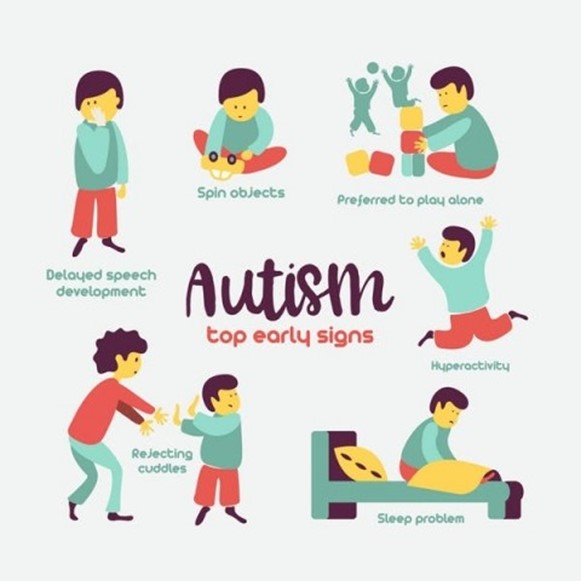
A child with autism spectrum disorder may have problems with social communication and interaction, including ignoring a caregiver who offers them a snack.
Choice A is incorrect because crying and stomping feet after another child takes a toy is normal behavior for a 2- or 3-year-old child.
Choice B is incorrect because repeating an action over and over is not necessarily indicative of autism spectrum disorder.
Choice D is incorrect because flipping a light switch off and on until asked to stop and join other children in playing is not necessarily indicative of autism spectrum disorder.
Nursing Test Bank
Naxlex Comprehensive Predictor Exams
Related Questions
Correct Answer is A
Explanation
Anorexia nervosa is an eating disorder characterized by abnormally low body weight, an intense fear of gaining weight, and a distorted perception of weight.
People with anorexia place a high value on controlling their weight and shape, using extreme efforts that tend to significantly interfere with their lives.
Choice B, Lack of motivation, don’t like to do things perfectly, is not correct because it is not a characteristic of anorexia.
Choice C, Would rather watch TV all day than exercise, is not correct because it is not a characteristic of anorexia.
Choice D Only affects females is not correct because anorexia can affect both males and females.
Correct Answer is D
Explanation
Checking the baby’s skin three times each day can help the mother monitor for any skin irritation or breakdown caused by the harness.
This can help prevent complications and ensure that the harness is being used safely and effectively.
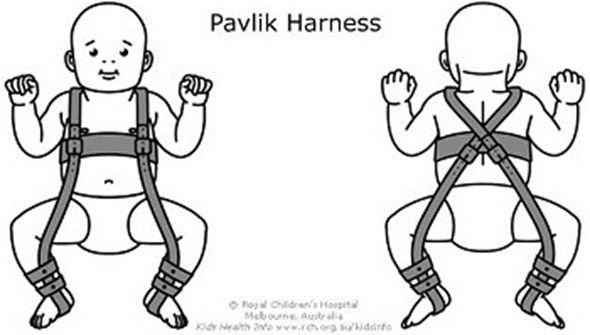
Choice A is not the best answer because the mother should not adjust the harness straps on her own.
This should be done by a healthcare provider to ensure that the harness is properly fitted.
Choice B is not the best answer because the diaper should be placed under the harness, not over it.
Choice C is not the best answer because massaging lotion on the skin around the harness clasps may not be necessary and could potentially cause skin irritation.
Whether you are a student looking to ace your exams or a practicing nurse seeking to enhance your expertise , our nursing education contents will empower you with the confidence and competence to make a difference in the lives of patients and become a respected leader in the healthcare field.
Visit Naxlex, invest in your future and unlock endless possibilities with our unparalleled nursing education contents today