
A client currently taking a first-generation antipsychotic (FGA) comes to the clinic for evaluation. The client presents with a shuffling gait and mild tremors. Which order would the nurse expect the provider to give?
Order a direct dopamine antagonist.
Increase the dose of the antipsychotic medication.
Withhold the medication for two days.
Order an anticholinergic medication.
The Correct Answer is D
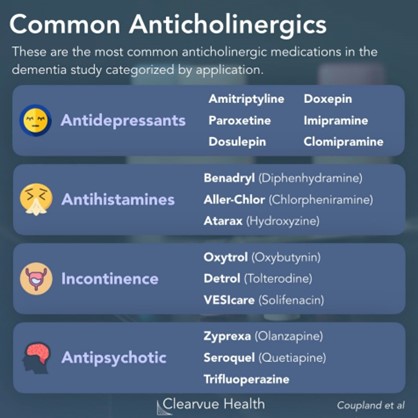
Anticholinergic medications can be used to treat extrapyramidal symptoms (EPS) such as tremors and shuffling gait that can occur as side effects of first-generation antipsychotics ¹².
Option A is not correct because a direct dopamine antagonist would not be used to treat EPS.
Option B is not correct because increasing the dose of the antipsychotic medication could worsen EPS.
Option C is not correct because withholding the medication for two days could lead to a relapse of the underlying condition being treated by the antipsychotic.
Nursing Test Bank
Naxlex Comprehensive Predictor Exams
Related Questions
Correct Answer is A
Explanation
Carbidopa/levodopa is a medication used to treat the symptoms of Parkinson's disease, including tremors, stiffness, and difficulty with movement. If the medication is effective, the client should show improvement in their ability to move and perform daily activities. In this case, the client being able to walk upright without stumbling indicates that the medication is effective.
Option B is incorrect because eating 30% to 40% of meals within 1 hour is not related to the effectiveness of carbidopa/levodopa.
Option C is incorrect because displaying emotions when discussing the illness is not related to the effectiveness of carbidopa/levodopa.
Option D is incorrect because cogwheel motion when swinging the arms is a symptom of Parkinson's disease and would indicate that the medication is not effective.

Correct Answer is A
Explanation
Diazepam is a benzodiazepine medication used to treat anxiety disorders. It works by enhancing the activity of certain neurotransmitters in the brain. A therapeutic outcome for this medication would be a decrease in anxiety and an improved ability to cope with stress.
Option B is not correct because it does not indicate whether the medication is effective or not.
Option C is not correct because it indicates that the client does not see a change in their symptoms.
Option D is not correct because it indicates that the client is self-medicating and increasing their dose without consulting their healthcare provider.

Whether you are a student looking to ace your exams or a practicing nurse seeking to enhance your expertise , our nursing education contents will empower you with the confidence and competence to make a difference in the lives of patients and become a respected leader in the healthcare field.
Visit Naxlex, invest in your future and unlock endless possibilities with our unparalleled nursing education contents today