
The nurse assessed a client with a toxic level of medication with a half-life of 2 hours. The current toxic level is 40 mEq/dL. The normal range for the medication is 5-10 mEq/L. How many hours will it take for the medication to reach the normal range?
25 hours
24 hours
2 hours
4 hours
The Correct Answer is A
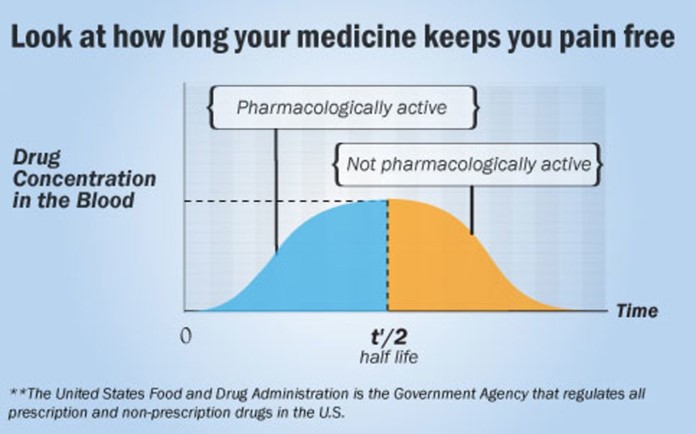
The half-life of a medication is the time it takes for the concentration of the medication in the body to decrease by half. In this case, the medication has a half-life of 2 hours and a current toxic level of 40 mEq/dL. After 2 hours, the level will decrease to 20 mEq/dL. After another 2 hours (4 hours total), the level will decrease to 10 mEq/dL, which is within the normal range. However, it will take another 21 half-lives (42 hours) for the level to reach 5 mEq/dL, which is the lower end of the normal range. Therefore, it will take a total of 25 hours (4 + 21) for the medication to reach the normal range.
Option B is incorrect because it would take much longer than 24 hours for the medication to reach the normal range.
Option C is incorrect because it would only take 2 hours for the medication to decrease by half, not reach the normal range.
Option D is incorrect because it would take longer than 4 hours for the medication to reach the normal range.
Nursing Test Bank
Naxlex Comprehensive Predictor Exams
Related Questions
Correct Answer is A
Explanation
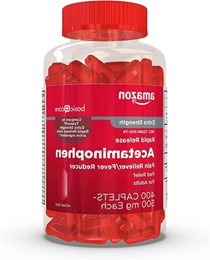
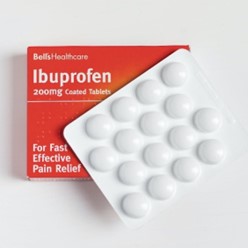
The nurse would expect the provider to order acetaminophen or ibuprofen for the client. Headache, fever, chills, and muscle aches are common side effects of interferon beta-1a ¹⁴. These side effects are often referred to as flu-like symptoms and can be managed with over-the-counter pain relievers such as acetaminophen or ibuprofen ¹.
Option B is incorrect because an evaluation by a physician may not be necessary if the client is experiencing common side effects of interferon beta-1a.
Option C is incorrect because discontinuing the medication immediately may not be necessary if the client is experiencing common side effects of interferon beta-1a.
Option D is incorrect because checking the hemoglobin may not be necessary if the client is experiencing common side effects of interferon beta-1a.
Correct Answer is B
Explanation
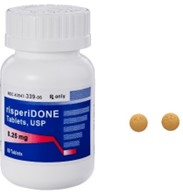
Risperidone is an atypical antipsychotic medication used to treat schizophrenia ¹. It works by changing the activity of certain natural substances in the brain ¹. A therapeutic outcome for this medication would be a decrease in symptoms of schizophrenia such as delusional thinking and audiovisual hallucinations ¹.
Option A is not correct because orthostatic hypotension and sedation are side effects of risperidone, not therapeutic outcomes ¹.
Option C is not correct because restful sleep and increased coping abilities are not specific therapeutic outcomes for risperidone in the treatment of schizophrenia.
Option D is not correct because decreased anxiety and improved dietary habits are not specific therapeutic outcomes for risperidone in the treatment of schizophrenia.
Whether you are a student looking to ace your exams or a practicing nurse seeking to enhance your expertise , our nursing education contents will empower you with the confidence and competence to make a difference in the lives of patients and become a respected leader in the healthcare field.
Visit Naxlex, invest in your future and unlock endless possibilities with our unparalleled nursing education contents today