
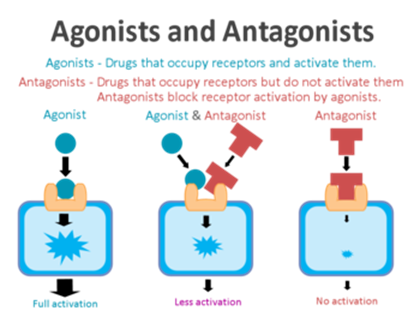
Which of the following describes the action of an agonist?
A molecule that prevents receptor activation by other medications
An endogenous molecule or a medication that can activate a receptor
A medication that increases the affinity of a receptor for a different medication
A therapeutic agent that both blocks and activates a receptor
The Correct Answer is B
An agonist is a molecule that can bind to and activate a receptor to induce a biological response ³. Agonists can be endogenous molecules, such as hormones or neurotransmitters, or medications that mimic the action of endogenous agonists ³.
Option A is incorrect because an agonist does not prevent receptor activation by other medications.
Option C is incorrect because an agonist does not increase the affinity of a receptor for a different medication.
Option D is incorrect because an agonist does not both block and activate a receptor.
Nursing Test Bank
Naxlex Comprehensive Predictor Exams
Related Questions
Correct Answer is B
Explanation
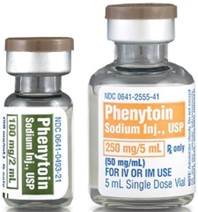
The sudden development of hives in a client taking phenytoin is most likely an allergic response to the medication. In this case, the medication should be stopped and the healthcare provider should be notified.
Option A is incorrect because a paradoxical reaction is not related to the development of hives.
Option C is incorrect because an idiosyncratic reaction is unpredictable and can disrupt the treatment plan.
Option D is incorrect because a hypersensitive response would require more than just reducing the dose; the medication should be stopped.

Correct Answer is B
Explanation
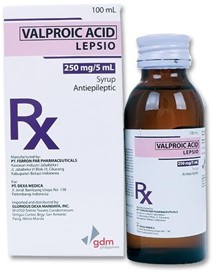
The therapeutic range for valproic acid is 50-100 mcg/mL ¹. In this case, the client has a serum range for valproic acid of 130 mcg/mL, which is above the therapeutic range but below the toxic level of >100 mcg/mL ¹. The nurse would anticipate that the provider will increase the daily dose of valproic acid to bring the serum range within the therapeutic range.
Option A is incorrect because the serum range is above the therapeutic range and changes may be needed.
Option C is incorrect because changing the medication may not be necessary if adjusting the dose can bring the serum range within the therapeutic range.
Option D is incorrect because decreasing the dose would lower the serum range further below the therapeutic range.
Whether you are a student looking to ace your exams or a practicing nurse seeking to enhance your expertise , our nursing education contents will empower you with the confidence and competence to make a difference in the lives of patients and become a respected leader in the healthcare field.
Visit Naxlex, invest in your future and unlock endless possibilities with our unparalleled nursing education contents today