
A client is facing stress-induced insomnia after starting atypical antipsychotics. Which intervention should the nurse suggest to improve sleep?
Recommend joining a physical exercise class.
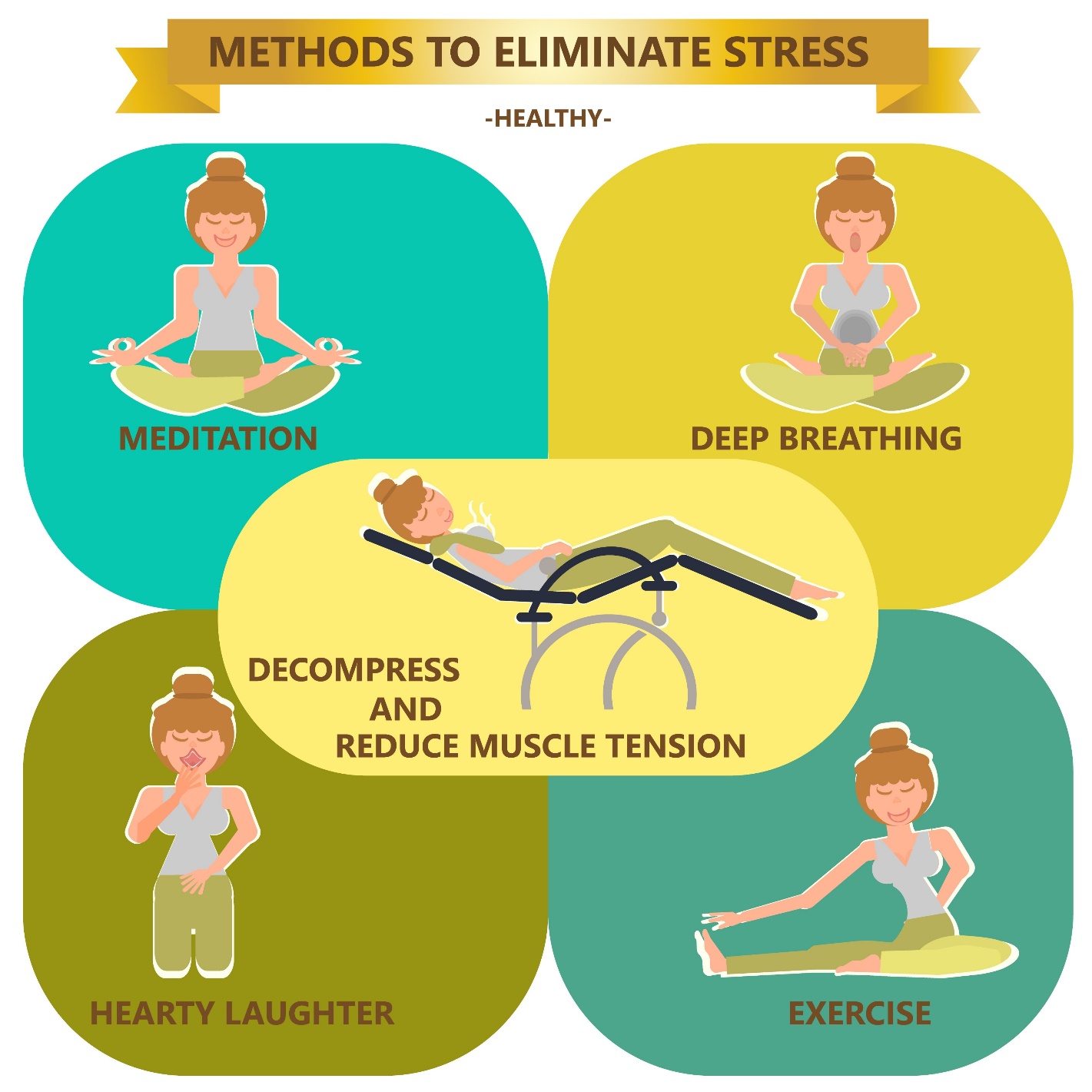
Teach breathing techniques in the morning.
Avoid caffeine intake during dinner.
Implement progressive relaxation before bedtime.
The Correct Answer is D
Choice A reason: While regular physical exercise is generally beneficial for long-term sleep hygiene, joining a structured class may increase the client's stress level if they are already overwhelmed. Furthermore, vigorous exercise performed too close to bedtime can actually act as a stimulant, making it harder for the client to fall asleep.
Choice B reason: Teaching breathing techniques is a valuable coping mechanism for anxiety; however, performing them in the morning provides no direct physiological benefit for evening sleep onset. For an intervention to address insomnia effectively, it must be applied during the period immediately preceding the desired sleep cycle.
Choice C reason: Avoiding caffeine during dinner is a standard sleep hygiene recommendation, but it is often insufficient for "stress-induced" insomnia. While reducing stimulants is helpful, it does not actively address the sympathetic nervous system overactivity that prevents the client from transitioning into a restful state at night.
Choice D reason: Progressive relaxation involves systematically tensing and releasing muscle groups, which directly counteracts the physiological manifestations of stress. By implementing this specific technique immediately before bedtime, the client can lower their heart rate and cortisol levels, facilitating the transition into sleep despite the effects of medication.
Nursing Test Bank
Naxlex Comprehensive Predictor Exams
Related Questions
Correct Answer is A
Explanation
Choice A reason: A toxicology test, typically performed via urine or blood sampling, is the definitive objective screening tool for identifying the presence of specific chemical metabolites in the body. In an emergency setting, this provides immediate physiological data regarding recent substance ingestion that subjective self-reporting might lack.
Choice B reason: The Eysenick Personality Inventory is a psychological instrument designed to measure specific personality traits, such as extraversion and neuroticism, based on a biopsychosocial model. It is a diagnostic tool for temperament and character assessment and has no utility in detecting the physiological presence of illicit drugs.
Choice C reason: The Personality Diagnostic Questionnaire is a self-report tool used specifically to screen for the presence of personality disorders as defined by the DSM. While the client in the prompt has a personality disorder, this tool assesses long-term behavioral patterns rather than acute substance use or intoxication.
Choice D reason: The Minnesota Multiphasic Personality Inventory (MMPI) is an extensive standardized psychometric test of adult personality and psychopathology. It is used for clinical diagnosis and chronic mental health assessment; however, it is not designed to provide real-time information regarding recent chemical exposure or drug use.
Correct Answer is C
Explanation
Choice A reason: While trauma can coexist with many mental health issues, post-traumatic stress disorder (PTSD) is not the most specifically linked comorbidity for OCD in general clinical screening. PTSD involves a distinct pathology related to trauma exposure, whereas OCD centers on an internal cycle of intrusive thoughts and neutralizing ritualistic behaviors.
Choice B reason: Agoraphobia involves an intense fear of environments where escape might be difficult, often linked to panic disorder. While an OCD patient might avoid certain places due to contamination fears, agoraphobia is a distinct anxiety disorder and is not the primary comorbid condition typically anticipated for an OCD diagnosis.
Choice C reason: Research indicates a high rate of comorbidity between obsessive-compulsive disorder and eating disorders, particularly anorexia nervosa. Both conditions share underlying personality traits such as perfectionism, rigidity, and the use of ritualistic behaviors to manage intense anxiety, making this a common finding when reviewing the medical records of these clients.
Choice D reason: Delusional disorder involves fixed false beliefs without the other symptoms of schizophrenia. Although severe OCD can sometimes involve poor insight bordering on delusional thinking, it is categorized separately. Most OCD patients retain some level of awareness that their obsessions are irrational, which distinguishes the condition from a primary delusional disorder.
Whether you are a student looking to ace your exams or a practicing nurse seeking to enhance your expertise , our nursing education contents will empower you with the confidence and competence to make a difference in the lives of patients and become a respected leader in the healthcare field.
Visit Naxlex, invest in your future and unlock endless possibilities with our unparalleled nursing education contents today