
A client is receiving continuous ambulatory peritoneal dialysis (CAPD. and the arteriovenous (AV) graft in the right arm is no longer available to use for hemodialysis. The client has lost weight, has increasing peripheral edema, and has serum albumin level at 1.5 g/dL (15 g/L). Which intervention is the priority for the nurse to implement?
Reference Range
Serum Albumin [Reference Range: 3.5 to 5.5 g/dL (35 to 55 g/L)]
Recommend the use of support stockings to enhance venous return.
Ensure the client receives frequent small meals containing complete proteins.
Evaluate patency of the AV graft for resumption of hemodialysis.
Instruct the client to continue to follow the prescribed rigid fluid restriction amounts.
The Correct Answer is B
Choice A: Recommending the use of support stockings to enhance venous return is not a priority intervention for the nurse, as this does not address the underlying cause of the peripheral edema, which is fluid overload due to inadequate dialysis. This is a distractor choice.
Choice B: Ensuring the client receives frequent small meals containing complete proteins is a priority intervention for the nurse, as this can help improve the client's nutritional status and increase their serum albumin level, which can reduce fluid leakage into the interstitial spaces and decrease edema. Therefore, this is the correct choice.
Choice C: Evaluating patency of the AV graft for resumption of hemodialysis is not a priority intervention for the nurse, as this is not feasible at this point since the AV graft is no longer available to use. This is another distractor choice.
Choice D: Instructing the client to continue to follow the prescribed rigid fluid restriction amounts is not a priority intervention for the nurse, as this does not address the root problem of inadequate dialysis and low serum albumin level, which are contributing to fluid overload and edema. This is another distractor choice.
Nursing Test Bank
Naxlex Comprehensive Predictor Exams
Related Questions
Correct Answer is D
Explanation
Choice A: Creatinine is not a relevant laboratory test for the nurse to monitor, as this reflects renal function and is not affected by naproxen or arthritis. This is a distractor choice.
Choice B: Serum calcium is not a pertinent laboratory test for the nurse to monitor, as this indicates bone metabolism and is not related to naproxen or arthritis. This is another distractor choice.
Choice C: Erythrocyte sedimentation rate is not an important laboratory test for the nurse to monitor, as this measures inflammation and is not influenced by naproxen or stomach pain. This is another distractor choice.
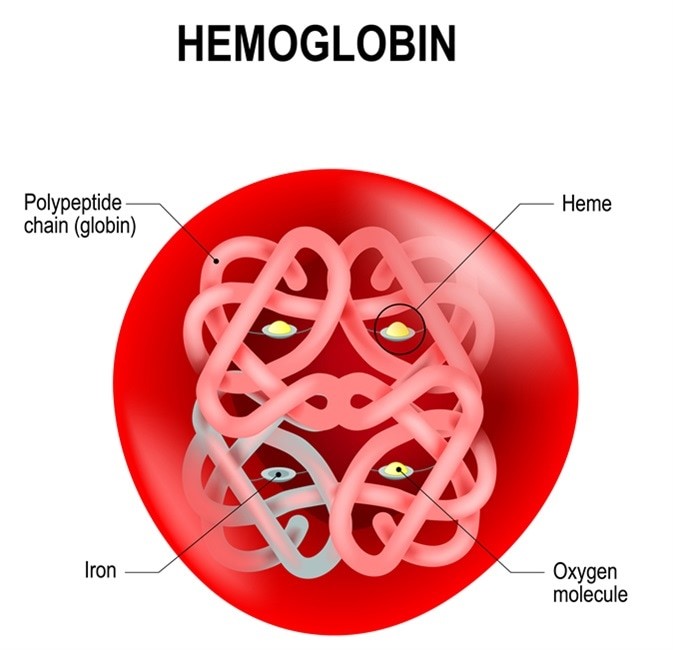
Choice D: Hemoglobin is an essential laboratory test for the nurse to monitor, as this shows blood oxygen-carrying capacity and can be reduced by naproxen-induced gastrointestinal bleeding, which can cause stomach pain, weakness, and fatigue. Therefore, this is the correct choice.
Correct Answer is ["A","E"]
Explanation
Choice A: Consuming foods with saturated fats is not a healthy lifestyle change for a client with coronary artery disease, as this can increase the level of cholesterol and triglycerides in the blood, which can lead to plaque formation and narrowing of the arteries. Therefore, this statement indicates that the client needs additional education.
Choice B: Walking 30 minutes per day is a beneficial lifestyle change for a client with coronary artery disease, as this can improve the blood circulation, lower the blood pressure, and reduce the risk of heart attack and stroke. Therefore, this statement does not indicate that the client needs additional education.
Choice C: Using a salt substitute is a helpful lifestyle change for a client with coronary artery disease, as this can reduce the sodium intake, which can lower the blood pressure and prevent fluid retention. Therefore, this statement does not indicate that the client needs additional education.
Choice D: Keeping a food diary is a useful lifestyle change for a client with coronary artery disease, as this can help the client monitor their calorie intake, portion size, and nutritional quality of their food. This can also help the client identify and avoid unhealthy food choices. Therefore, this statement does not indicate that the client needs additional education.
Choice E: Eating more canned vegetables is not a good lifestyle change for a client with coronary artery disease, as canned vegetables often contain high amounts of sodium, which can raise the blood pressure and worsen the condition. Therefore, this statement indicates that the client needs additional education.
Choice F: Including oatmeal for breakfast is an advantageous lifestyle change for a client with coronary artery disease, as oatmeal contains soluble fiber, which can lower the cholesterol level and prevent plaque formation in the arteries. Therefore, this statement does not indicate that the client needs additional education.
Whether you are a student looking to ace your exams or a practicing nurse seeking to enhance your expertise , our nursing education contents will empower you with the confidence and competence to make a difference in the lives of patients and become a respected leader in the healthcare field.
Visit Naxlex, invest in your future and unlock endless possibilities with our unparalleled nursing education contents today