
An older client recently transferred to a rehabilitation facility after aortic valve replacement surgery is experiencing anxiety and difficulty adjusting to the transition. The healthcare provider prescribes an antidepressant and a mild sedative for sleep. Which intervention is most important for the nurse to include in the client's plan of care?
Obtain a blood pressure reading before the client gets out of bed.
Monitor and record the client's urinary output every day.
Provide the client with teaching regarding a cardiac diet.
Assess the client's vital signs every 4 hours when awake.
The Correct Answer is A
Choice A: Obtain a blood pressure reading before the client gets out of bed. This is the most important intervention, as it can prevent or detect orthostatic hypotension, which is a drop in blood pressure when changing position from lying to standing. Orthostatic hypotension can cause dizziness, fainting, or falls, and it can be caused by medications, dehydration, or cardiac problems.
Choice B: Monitor and record the client's urinary output every day. This is not the most important intervention, as it does not address the client's anxiety or adjustment issues. The urinary output should be monitored for signs of fluid balance, kidney function, or infection, but it is not a priority for this client.
Choice C: Provide the client with teaching regarding a cardiac diet. This is not the most important intervention, as it does not address the client's anxiety or adjustment issues. The cardiac diet should be taught to promote heart health, lower cholesterol, and reduce sodium intake, but it is not a priority for this client.
Choice D: Assess the client's vital signs every 4 hours when awake. This is not the most important intervention, as it does not address the client's anxiety or adjustment issues. The vital signs should be assessed for signs of infection, pain, or hemodynamic instability, but they are not a priority for this client.
Nursing Test Bank
Naxlex Comprehensive Predictor Exams
Related Questions
Correct Answer is C
Explanation
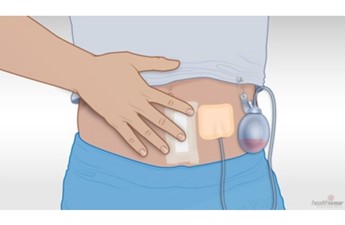
Choice C is correct because observing the incision site of a client who was discharged home with a suprapubic catheter can help detect signs of infection, bleeding, or healing problems. The nurse should inspect the incision site for redness, swelling, drainage, or odor and report any abnormal findings.
Choice A is incorrect because measuring abdominal girth of a client who was discharged home with a suprapubic catheter is not necessary unless there are signs of urinary retention or obstruction. The nurse should monitor the urine output and color and report any changes.
Choice B is incorrect because assessing perineal area of a client who was discharged home with a suprapubic catheter is not necessary unless there are signs of infection or irritation. The nurse should instruct the client on how to keep the perineal area clean and dry and report any discomfort or discharge.
Choice D is incorrect because palpating flank area of a client who was discharged home with a suprapubic catheter is not necessary unless there are signs of urinary tract infection or kidney involvement. The nurse should ask the client about any pain or tenderness in the flank area and report any positive findings.
Correct Answer is A
Explanation
Choice B reason: Erythrocytes, hemoglobin, and hematocrit are laboratory results that are not as critical as serum potassium, calcium, and phosphorus in a client who has end-stage renal disease (ESRD.. Erythrocytes are red blood cells that carry oxygen from the lungs to the tissues. Hemoglobin is a protein in erythrocytes that binds oxygen. Hematocrit is the percentage of blood volume that is occupied by erythrocytes. ESRD can cause anemia (low erythrocyte, hemoglobin, and hematocrit levels) due to reduced production of erythropoietin, a hormone that stimulates erythrocyte formation, by the kidneys. Anemia can cause fatigue, pallor, or shortness of breath.
Choice C reason: Leukocytes, neutrophils, and thyroxine are laboratory results that are not as relevant as serum potassium, calcium, and phosphorus in a client who has end-stage renal disease (ESRD.. Leukocytes are white blood cells that fight infection and inflammation. Neutrophils are a type of leukocyte that respond to bacterial infection. Thyroxine is a hormone that regulates metabolism and growth. ESRD can cause leukopenia (low leukocyte levels) and neutropenia (low neutrophil levels) due to impaired immune function and increased susceptibility to infection. ESRD can also cause hypothyroidism (low thyroxine levels) due to reduced clearance of thyroid hormones by the kidneys. Hypothyroidism can cause weight gain, cold intolerance, or depression.
Choice D reason: Blood pressure, heart rate, and temperature are not laboratory results, but vital signs that should be monitored in a client who has end-stage renal disease (ESRD.. Blood pressure is the force of blood against the walls of the arteries. Heart rate is the number of times the heart beats per minute. Temperature is the measure of body heat. ESRD can cause hypertension (high blood pressurE. due to fluid overload and activation of the renin-angiotensin-aldosterone system, a hormonal pathway that regulates blood pressure and fluid balance. Hypertension can cause headache, chest pain, or stroke. ESRD can also cause tachycardia (high heart ratE. due to anemia, fluid overload, or electrolyte imbalance. Tachycardia can cause palpitations, dizziness, or heart failure. ESRD can also cause fever (high temperaturE. due to infection or inflammation. Fever can cause chills, sweating, or delirium.
Whether you are a student looking to ace your exams or a practicing nurse seeking to enhance your expertise , our nursing education contents will empower you with the confidence and competence to make a difference in the lives of patients and become a respected leader in the healthcare field.
Visit Naxlex, invest in your future and unlock endless possibilities with our unparalleled nursing education contents today