
A client just received a diagnosis of cancer.
Which statement by the nurse best demonstrates empathy?
Tomorrow will be better.
"This must be hard news to hear. Tell me more about it.".
What is your biggest fear about this diagnosis?.
"I believe you can overcome this because we've seen patients beat this before.".
The Correct Answer is B
Tell me more about it.” This statement acknowledges the difficulty of the situation and invites the patient to share their feelings and thoughts.
Choice A is incorrect because it does not acknowledge the patient’s current feelings and offers false reassurance.
Choice C is incorrect because it does not acknowledge the patient’s current feelings and may come across as intrusive.
Choice D is incorrect because it does not acknowledge the patient’s current feelings and offers false reassurance.
Nursing Test Bank
Naxlex Comprehensive Predictor Exams
Related Questions
Correct Answer is ["B","C","E"]
Explanation
Echinacea is known to enhance immunity.
It has been shown to increase the number of white blood cells, which are part of the body’s immune system and help fight off infections.
Ginseng has been shown to increase physical endurance.
Studies have found that it can reduce fatigue and improve physical performance . Aloe vera has been found to promote wound healing.
It contains compounds that can reduce inflammation and improve antioxidant defenses, which can help accelerate the healing process .
Choice A is not correct because there is no evidence that Gingko Biloba causes fibrin clot formation.
Fibrin is a protein that helps in the clotting of blood, but there is no evidence to suggest that Gingko Biloba has any effect on this process.
Choice D is not correct because there is no evidence that Chamomile enhances the immune response to influenza A.
While Chamomile has been found to have some anti-inflammatory and calming effects, there is no evidence to suggest that it can enhance the immune response to influenza A specifically.
Correct Answer is C
Explanation
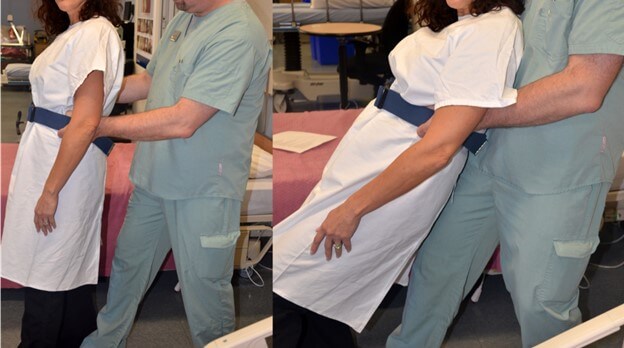
The priority nursing intervention when a client begins to fall while ambulating is to guide the client safely to the floor.
This can help prevent injury and ensure the safety of the client.
CHOICE A. Initiating a code is not necessary for this situation as it is not a medical emergency.
CHOICE B AND D : Calling the charge nurse or the client’s doctor may be appropriate after the client has been safely guided to the floor and their condition has been assessed
[B] [D].
Whether you are a student looking to ace your exams or a practicing nurse seeking to enhance your expertise , our nursing education contents will empower you with the confidence and competence to make a difference in the lives of patients and become a respected leader in the healthcare field.
Visit Naxlex, invest in your future and unlock endless possibilities with our unparalleled nursing education contents today